Environmental Problems With Bottled Water

We’ve all been there. You’re parched, staring at a shelf of glistening plastic bottles, and you grab one without a second thought. It’s convenient, it’s cold, and it feels cle...
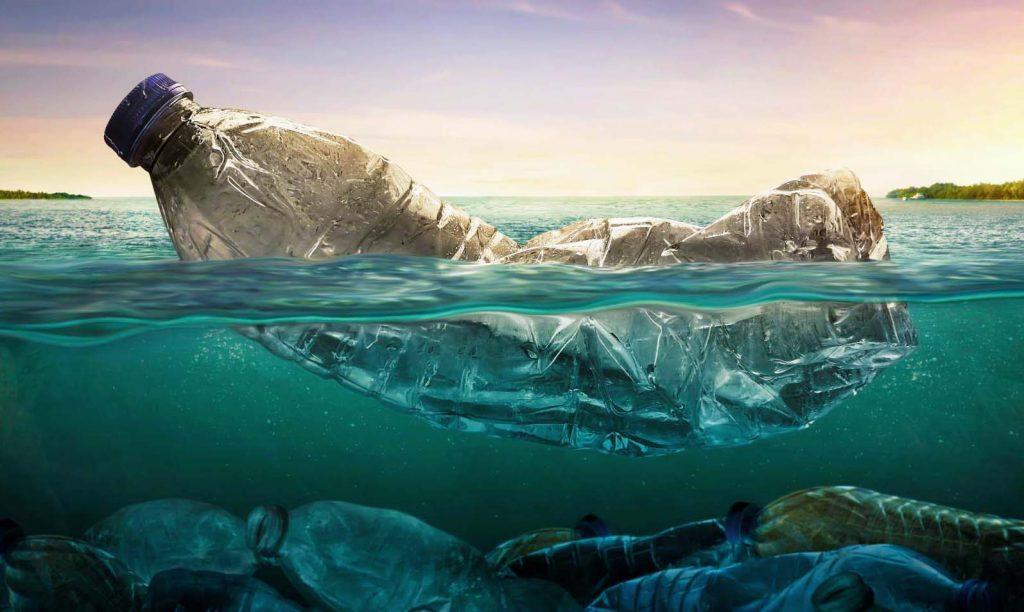
We’ve all been there. You’re parched, staring at a shelf of glistening plastic bottles, and you grab one without a second thought. It’s convenient, it’s cold, and it feels clean. But that single bottle comes with a massive and largely invisible environmental receipt.
The truth is, our love affair with bottled water is a planetary disaster disguised in a sleek label. From production to disposal, the hidden costs are staggering. Let’s unpack the messy reality behind the convenience—and find genuinely better ways to stay hydrated.
The Carbon Footprint in Your Hand
That plastic bottle didn’t just appear. It started life as crude oil, was refined into plastic pellets, shipped to a factory, heated, and molded. The entire process burns fossil fuels at every turn.
Must Read
Consider this wild fact: it takes about three times as much water to produce a single plastic bottle as the bottle itself actually holds. You’re paying for water while unknowingly wasting even more water you’ll never drink.
Then there’s the transport. Bottled water is heavy, so trucks, trains, and ships burn enormous amounts of fuel lugging it from source to store. If you drink Fiji water, that bottle traveled roughly 5,000 miles to reach your lips.
Where Your Bottle Ends Up
The really heartbreaking part is what happens after you toss it in the recycling bin. Despite the green chasing arrows on the label, only about 9% of all plastic ever produced has actually been recycled. The rest? It goes to landfills, incinerators, or the ocean.
By 2050, there could be more plastic by weight in the ocean than fish. That’s a statistic that should make anyone choke on their fancy electrolyte water. These bottles don’t biodegrade; they photodegrade into tiny microplastics that fish eat—and we eat the fish.
You’re literally drinking the ghost of your past convenience. Studies now find microplastics in tap water, in beer, and even in human blood. It’s the ultimate boomerang effect.
The Great Taste Myth
Here’s a secret the marketers don’t want you to know: a huge portion of bottled water is just repackaged tap water. Brands like Aquafina and Dasani are just processed municipal water. You’re paying thousands of times more for something that probably comes out of your kitchen faucet.
Meanwhile, the FDA regulates bottled water less strictly than the EPA regulates tap water. In many cities, tap water is tested far more frequently for contaminants. Don’t be a sucker for a pretty label.
Remember that scene in The Office where Michael Scott panics over the lack of bottled water? It’s funny because it’s true—we’ve been culturally conditioned to fear the tap. That’s a billion-dollar illusion built on marketing, not science.
Practical Tips to Ditch the Plastic
You don’t have to live in a yurt or give up convenience. Small swaps create massive ripples. The first and easiest step? Buy a reusable bottle you actually love. Treat yourself to a sleek stainless steel one or a chunky glass carafe that makes you feel like an influencer.
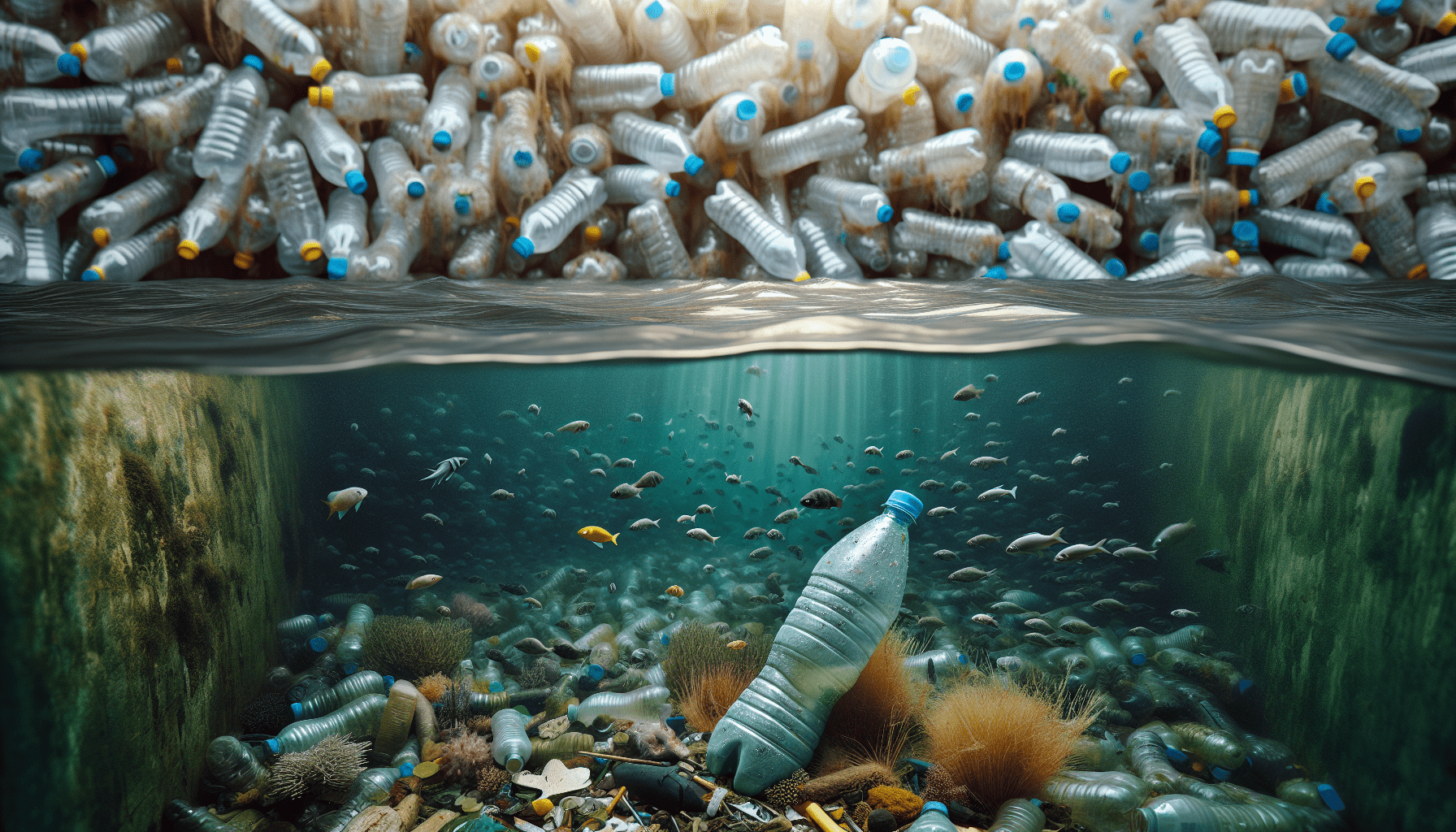 Explained: How Number Of Uses Changes Environmental Impact Of Water
Invest in a solid water filter pitcher for your fridge. The Brita or a countertop filter system will remove chlorine taste and heavy metals for pennies a day. Fill your bottle before you leave the house—it takes ten seconds.
When you’re out and absolutely need a drink, don’t buy a new bottle—buy a reusable one at the store or ask a coffee shop to fill your existing bottle. Most places are happy to do it for free or a tiny fee.
Make it a game. Challenge yourself to go one week without buying a single plastic water bottle. Then a month. Your wallet will thank you, and your carbon footprint will shrink dramatically.
If you must buy bottled water for emergencies or travel, choose aluminum or glass packaging. They’re far more recyclable and don’t leach chemicals. Also, buy the largest size possible and decant it at home.
Fun fact: The global bottled water industry is worth over $300 billion. That’s more than the GDP of Denmark. Think about what we could do with that money for clean water infrastructure instead.
A Cultural Shift
We’ve become a generation that buys water in little plastic coffins while telling ourselves it’s healthy. It’s time for a cultural rebrand. The new status symbol isn’t a rare mineral water—it’s a well-maintained reusable bottle and a proud indifference to the single-use aisle.
Look at how the zero-waste movement has normalized bringing your own bag to the grocery store. The same shift can happen with water. It just takes a few people deciding it’s cool to care.
Your grandparents grew up drinking from garden hoses and public fountains. They survived. The modern anxiety about tap water is largely manufactured by the same companies that profit from your fear.
In the end, the simplest solution is also the most radical: turn on the tap. It’s free, it’s safe, and it saves the planet one sip at a time. Every time you refill instead of buy, you’re casting a quiet vote for a cleaner world.
So here’s your new daily ritual. Wake up, fill your beautiful reusable bottle with cold tap water, and step outside knowing you’ve already done something good. No guilt, no waste, just pure, simple hydration. The earth—and your future self—will thank you.
