Reverse Osmosis Filter For Drinking Water

Let’s be honest: tap water can be a bit of a mystery. You fill your glass, look at it, and wonder what’s really floating around in there. That faint smell of chlorine, that sl...
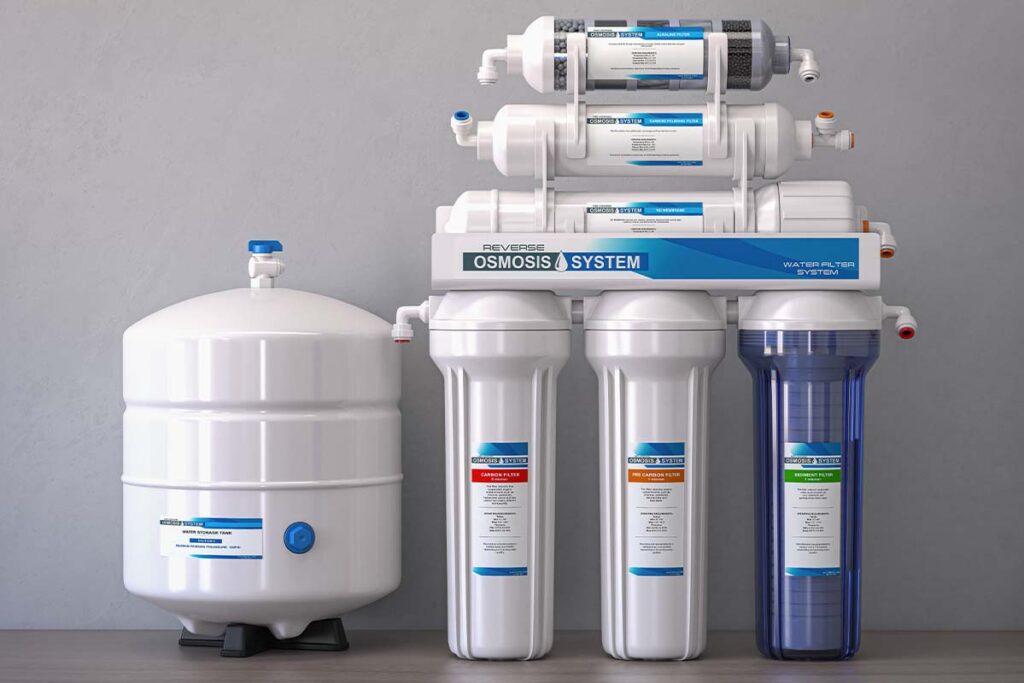
Let’s be honest: tap water can be a bit of a mystery. You fill your glass, look at it, and wonder what’s really floating around in there. That faint smell of chlorine, that slightly metallic taste—it’s not exactly what you’d call refreshing.
You’ve probably heard the term reverse osmosis thrown around like it’s some high-tech wizardry. But really, it’s just a clever way to give your water a serious upgrade. Think of it as a super-fussy bouncer for your drinking glass—only the purest H₂O gets through.
What Exactly Is Reverse Osmosis?
Imagine you’re making a pot of coffee. You pour hot water over grounds, and the good stuff drips through a filter. Now, flip that idea upside down.
Must Read
Reverse osmosis uses pressure to push water through a super-fine membrane—a material with holes so tiny, only water molecules can squeeze through. Everything else—minerals, lead, chlorine, pesticides—gets left behind.
It’s like trying to shove a beach ball through a keyhole. The beach ball (the bad stuff) stays out, while the water (the tiny mouse) slips right through.
A Little Story from My Kitchen
Last week, my neighbor Sarah complained her morning tea tasted like a swimming pool. She tried bottled water, but the plastic waste piled up fast. She tried a basic pitcher filter, but the taste barely improved.
Finally, she installed a reverse osmosis system under her sink. The next morning, she texted me a photo of her perfectly clear tea with a caption: “This tastes like a hug from a mountain spring.” She wasn’t exaggerating.
Why Should You Care? (Besides Taste)
You might think, “Hey, my tap water is fine—the city treats it.” And you’re not wrong. But here’s the kicker: municipal water often travels through old pipes on its way to your faucet. By the time it arrives, it can pick up rust, sediment, and even lead from aging infrastructure.
Reverse osmosis strips all that out. You’re not just getting better-tasting water—you’re getting water you can trust without guessing what’s in it.
Also, consider the planet. Remember Sarah’s bottled water? Each plastic bottle takes 450 years to decompose. A reverse osmosis filter gives you clean water on demand, with zero plastic waste. Your kitchen becomes an eco-friendly hydration station.
What About the Good Minerals?
You’ve probably heard the rumor: “Reverse osmosis removes healthy minerals, so you’ll get all weak and noodle-like.” Relax. The minerals in water are negligible compared to what you get from food.
A single banana has more potassium than a gallon of tap water. Your spinach salad gives you more magnesium than a month of drinking from any faucet. So don’t stress—you’re still getting your nutrients from the important stuff.
Plus, many modern RO systems add a remineralization filter at the end. It puts back a pinch of calcium and magnesium, giving the water a smooth, crisp taste—like bottled spring water, but from your own tap.
Does It Waste Water?
Okay, let’s address the elephant in the room. Older reverse osmosis systems did waste a fair bit of water—about three to four gallons for every gallon of clean water they produced. That’s like a leaky hose running in your backyard.
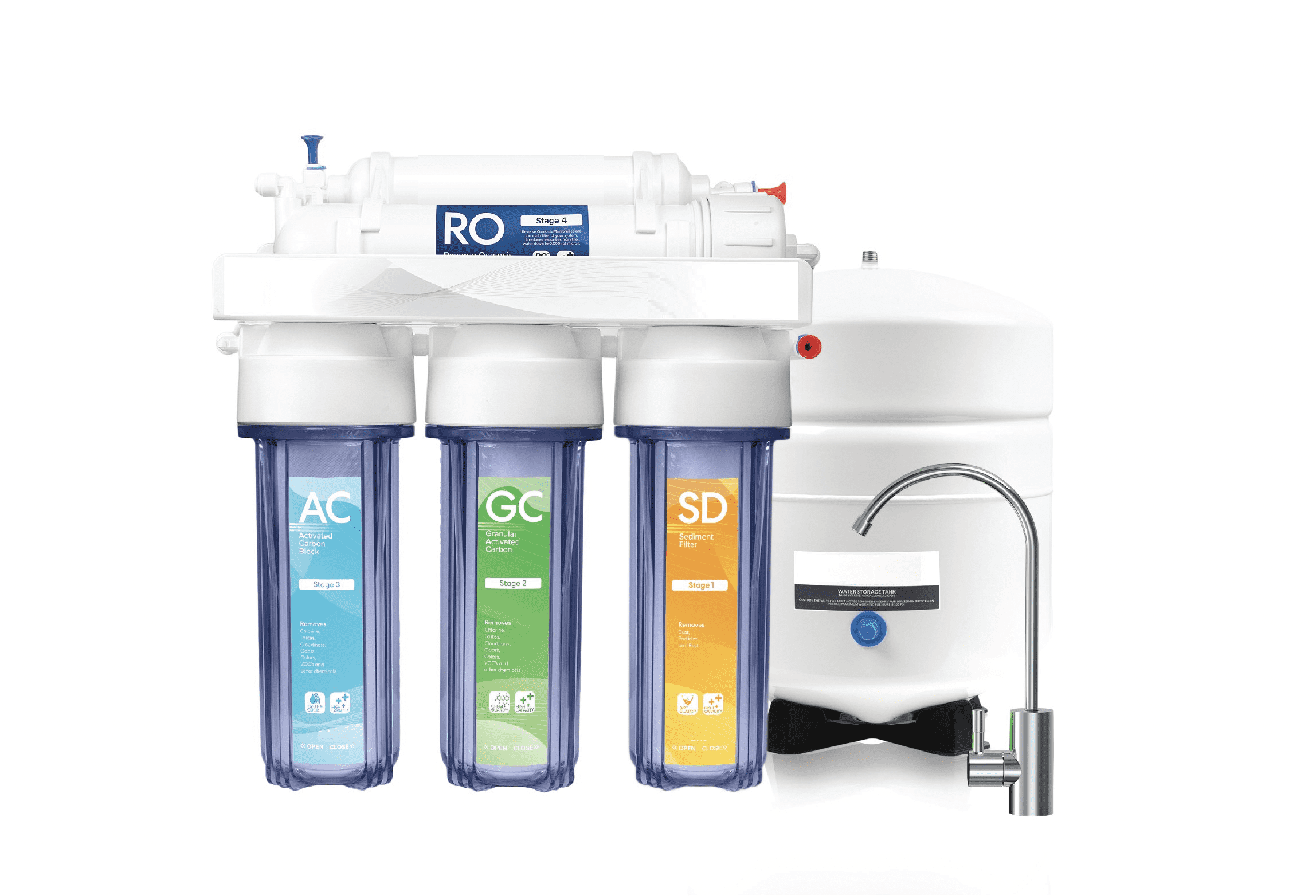 5-Stage Reverse Osmosis System Home RO Water Filter System Under Sink
But newer models are way more efficient. Some now have a 1:1 ratio—one gallon of waste for one gallon of clean. And that “waste” water? It’s not dirty; it’s just slightly more concentrated. You can use it to water your houseplants or mop the floor.
Your spider plant doesn’t care if the water has a few extra minerals. She’ll just grow greener and thank you silently.
Is It Complicated to Set Up?
If you can change a lightbulb, you can install a basic under-sink RO system. Most come with clear instructions and color-coded tubes—it’s like building a LEGO set, but for water.
You don’t need a plumber. You don’t need a toolbox the size of a car. In about an hour, you can go from “meh tap water” to “crystal-clear deliciousness.”
And the maintenance? Just swap out the filters once a year. It’s less effort than remembering to water that orchid you bought last January.
The Real-Life Magic
Picture this: You come home after a sweaty run. You open the fridge, fill a glass from the dedicated RO faucet, and take a long gulp. The water is cold, clean, and absolutely tasteless—in the best way possible.
No chlorine. No metallic tang. No weird aftertaste. Just pure, refreshing silence for your taste buds.
That’s the magic of reverse osmosis. It doesn’t add anything fancy—it simply removes the junk so the water can be itself. Like a good friend who just listens without adding drama.
A Final Thought
You don’t need to be a science geek or a health fanatic to appreciate this. You just need to enjoy a good glass of water—and maybe stop buying plastic cases of bottled water from the grocery store.
Your wallet will thank you. The planet will thank you. And your morning coffee? It will taste like the first sip of a Saturday morning—simple, perfect, and all yours.
So go ahead. Give your tap water a little upgrade. You deserve to drink something that makes you smile, not squint.
