Whole House Filtration And Water Softener

Imagine your morning coffee, that first sacred sip. Now imagine it’s made with water that smells faintly of a swimming pool. Not exactly the start of a zen day, right? That’s...
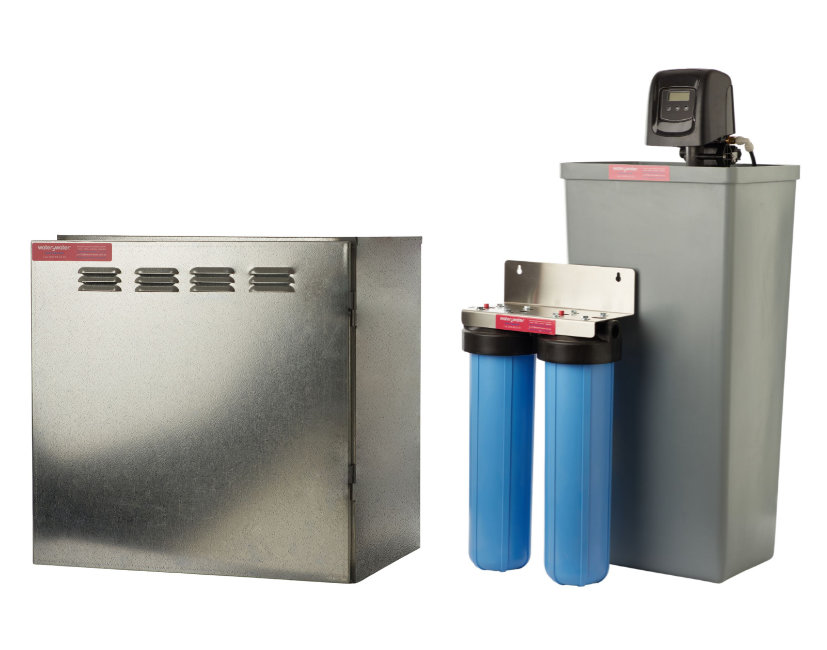
Imagine your morning coffee, that first sacred sip. Now imagine it’s made with water that smells faintly of a swimming pool. Not exactly the start of a zen day, right? That’s where the unsung heroes of modern plumbing come in: whole house filtration and water softeners.
Let’s be real—tap water is a complex cocktail. It might carry microscopic sediment, chlorine, or even traces of pesticides. A whole house filter catches these uninvited guests before they ever reach your showerhead or kitchen faucet. Think of it as a bouncer for your pipes, letting only the good stuff through.
The Hard Truth About Hard Water
Now, meet your water’s wild cousin: hard water. It’s packed with calcium and magnesium, minerals that love to throw crusty parties on your faucets. You’ve seen the white scale on your kettle—that’s their leftover confetti.
Must Read
Hard water is the silent enemy of glowing skin and shiny hair. It leaves soap scum on your dishes and a filmy residue on your body after a shower. It’s not dangerous, but it’s annoying, like a pebble in your shoe that never falls out.
Here’s the fun fact: the term “hard water” dates back to the Roman Empire. They noticed soap wouldn’t lather in certain springs, making life a bit gritty. Today, we have better tools than ancient Romans—thankfully, no togas required.
A water softener works like a mineral magnet. It uses a process called ion exchange, swapping calcium and magnesium for sodium or potassium ions. The result? Water that feels silky, almost cushiony against your skin.
Why You Want a Whole-House System
A point-of-use filter under your sink is fine for drinking water, but it’s a solo act. Whole house filtration treats every drop that enters your home—bath, laundry, every toilet flush. It’s the difference between a single spotlight and a full theater lighting rig.
Your appliances will thank you. A water softener can extend the life of your washing machine, dishwasher, and water heater by years. That’s real cash back in your pocket, not just a spa vibe—though you’ll get that too.
Practical tip: If you see white spots on your glassware or feel a film on your hands after washing, you have hard water. A simple test strip from the hardware store confirms it in under a minute. Knowledge is power—and cleaner glasses.
Another pro move: install a sediment pre-filter before your softener. This catches sand and rust, giving your softener an easier job. It’s like putting a doormat outside before the velvet rope.
The “Biography” of Your Pipes
In the 1990s, a popular movie made us terrified of the water in The Ring. But the reality is less spooky and more pragmatic: pipe scale reduces water pressure and increases energy bills. A whole house system protects your plumbing’s biography from being written in chalk.
Culture reference: Remember the “Calgon” commercials from the 80s? They promised to take you away from hard water woes. Today’s tech actually delivers that escape—minus the shoulder pads and synth music.
Water softeners also reduce the need for laundry detergent by up to 50%. Your clothes feel softer, and colors stay brighter. It’s basically a chemistry hack that makes your wardrobe look richer without spending a dime.
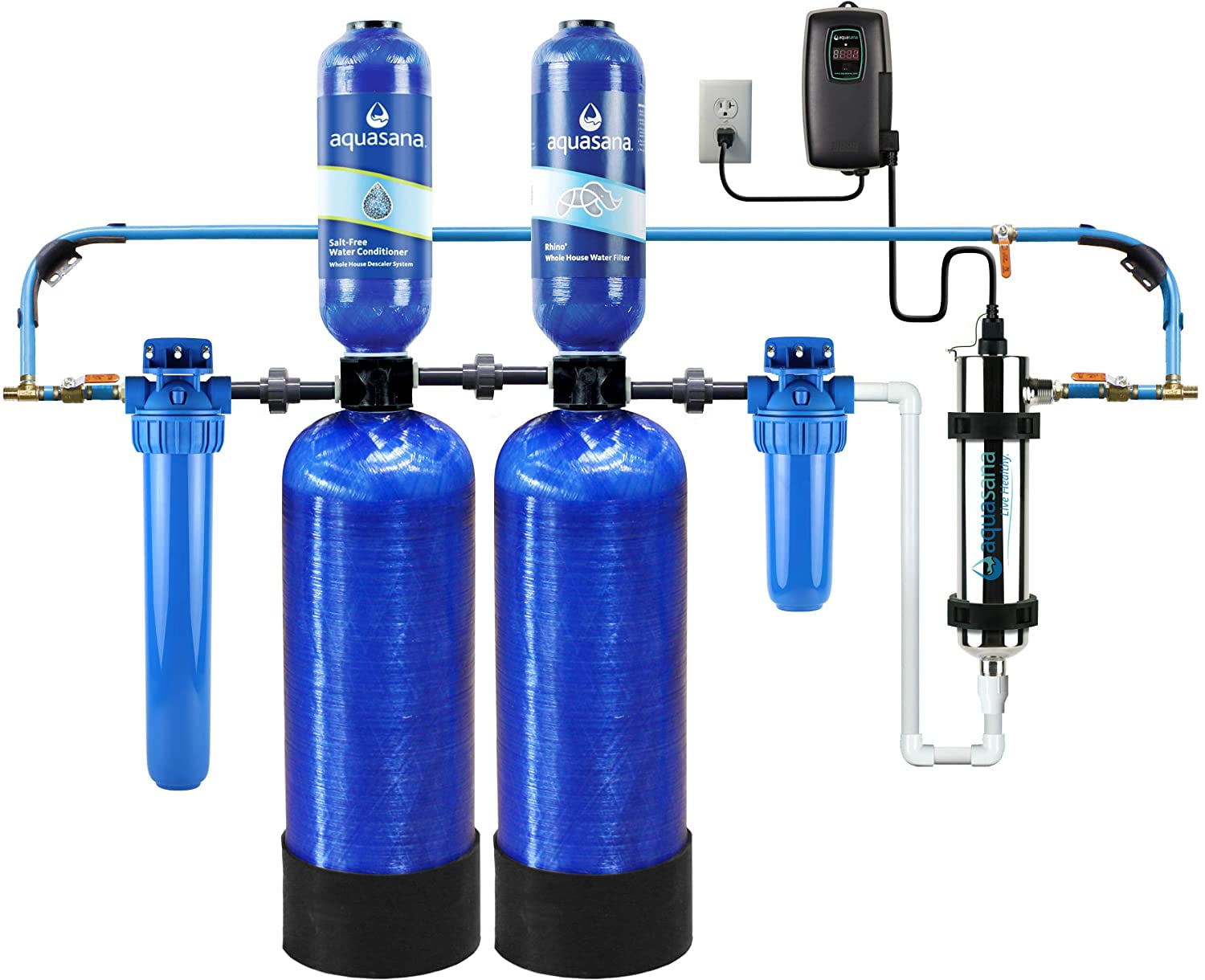 Aquasana Whole House Well Water Filter System - Water Softener
Fun fact: The first modern water softener was invented in 1903 by a New York chemist. He called it the “Zeolite process.” His neighbors probably thought he was a mad scientist. Now, millions of homes run on his crazy idea.
Maintenance: The Easy Part
Don’t let the term “filtration system” intimidate you. Whole house filters usually need a cartridge change every three to six months. It takes less time than trimming your houseplants, and the payoff is immediate.
For water softeners, you refill the salt tank every few months. It costs about the same as a fancy latte per month. That’s a small price for water that doesn’t leave your skin feeling like sandpaper after a shower.
Practical tip: Buy a water-softener salt with purity guaranteed. Impure salt can clog your system. Think of it as buying good wine—skip the boxed stuff for your best bottles.
If you’re renting, consider a portable water softener for the laundry room bathroom. It’s a game-changer without the commitment. Your landlord might not install a whole-house system, but you can still win the war on crusty tiles.
The Ripple Effect on Daily Life
Imagine stepping out of the shower, skin feeling like it’s been kissed by a cloud, not parched by a desert. That’s the daily luxury a water softener delivers. It turns a mundane routine into a tiny ritual of self-care.
Your tea will taste clearer, your pasta will cook without a mineral film, and your silverware will sparkle. It’s not life-altering—it’s life-smoothing. And sometimes, that’s exactly what we need.
Culture reference: In The Great Gatsby, F. Scott Fitzgerald wrote of “fresh green breast of the new world.” A bit dramatic, sure, but clean, soft water feels like that—a fresh start every single day.
Reflection: We spend so much energy chasing big health goals—diets, workouts, meditation apps. Yet the element we touch more than any other—water—often goes overlooked. Fixing that one thing can change how your whole home feels.
So, here’s to the humble pipe, the quiet softener, the invisible filter. They don’t ask for thanks. They just make your morning coffee taste a little more like you actually meant to enjoy it. And in a noisy world, that silence is golden.
