Reverse Osmosis Water Filter For Home Use

Water: The Unseen Drama in Your Glass Let’s be honest—tap water has a bit of a personality crisis. Sometimes it tastes like a swimming pool, other times like a dusty pipe that...
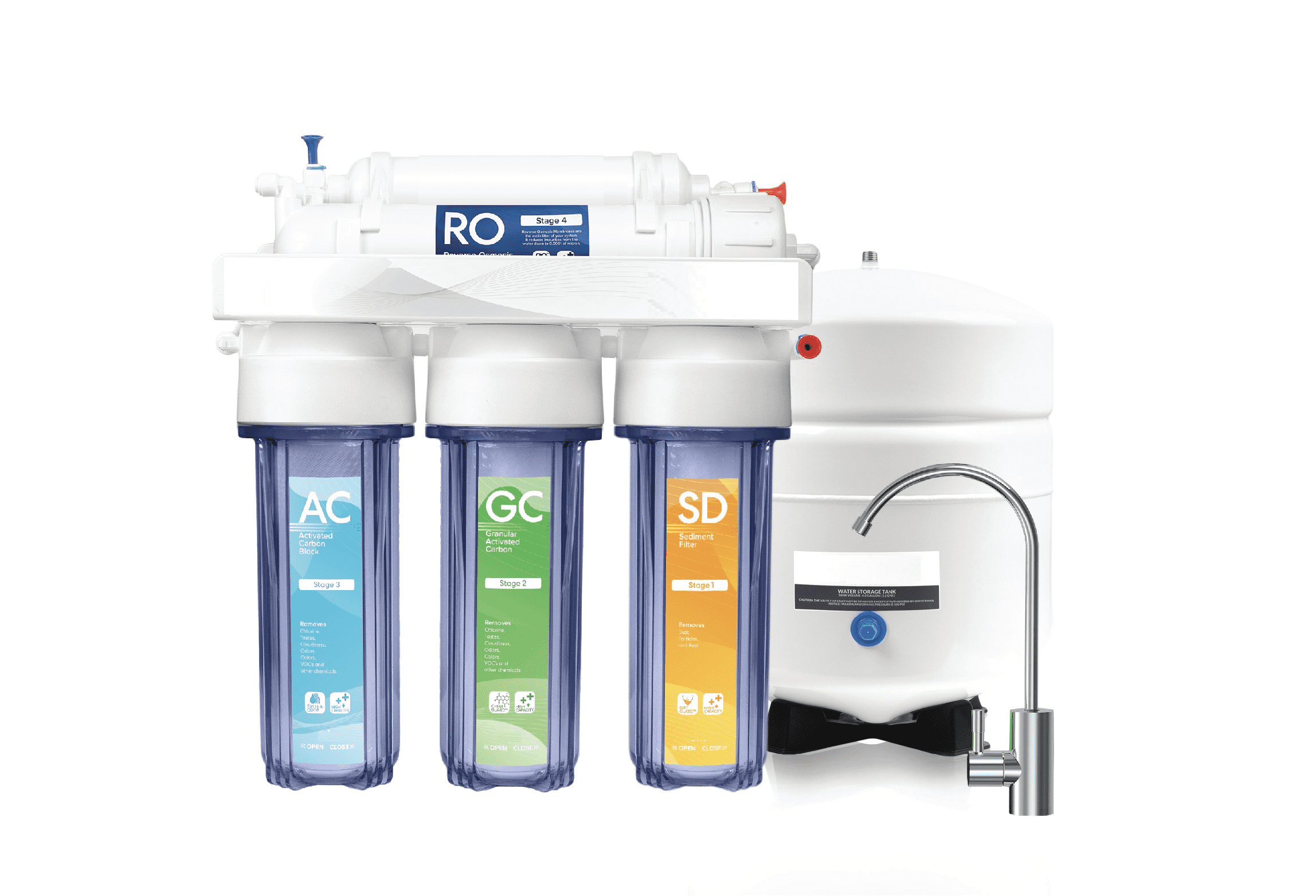
Water: The Unseen Drama in Your Glass
Let’s be honest—tap water has a bit of a personality crisis. Sometimes it tastes like a swimming pool, other times like a dusty pipe that’s seen better days. You’ve probably stood at the sink, glass in hand, and thought, “Is this crisp or… vaguely concerning?”
That’s where a reverse osmosis water filter steps in like a bouncer at a club. It doesn’t just let any molecule through—it gives your water the VIP treatment.
What Even Is Reverse Osmosis? (No Science Degree Required)
Imagine your water is a chaotic house party. There’s chlorine dancing on the table, lead lurking in the corner, and fluoride trying to start a conversation about dental health. Reverse osmosis is the calm, slightly judgmental friend who kicks out the riff-raff.
Must Read
It pushes water through a super-fancy membrane that’s basically a colander for molecules. Only water gets through—everything else gets shown the door. Think of it as a bouncer who’s very, very picky about who enters the VIP lounge (your glass).
No boiling, no chemicals, no magic potion. Just pressure and a membrane that’s more selective than your friend who only eats organic, gluten-free, artisanal kale chips.
The “Unlearning” of Bad Water Habits
I used to buy bottled water like it was a personality trait. My fridge was a graveyard of half-empty plastic bottles, each one a tiny monument to my misplaced guilt. Then I got a reverse osmosis system, and my carbon footprint did a little happy dance.
Now I fill my reusable bottle with water so clean it makes tap water look like a suspicious ex. The first sip feels like you’ve been drinking from a garden hose your whole life and suddenly discovered a mountain spring.
You’ll start to notice the difference in everything: coffee tastes smoother, tea tastes cleaner, and ice cubes don’t have that weird “fridge smell” that haunts your iced tea.
The Installation: Less Painful Than IKEA Furniture
Look, I’m not a handy person. I’ve assembled furniture that ended up looking like a modern art disaster. But installing a reverse osmosis filter? It’s surprisingly doable. Most systems come with a little kit and a video that’s less confusing than your TV’s remote control.
You’ll need a spot under your sink, a little faucet for the filtered water, and about an hour of your life. Pro tip: clear out the cleaning supplies first—otherwise you’ll be wrestling with a spray bottle of bleach while trying to connect a tube. Not my proudest moment.
Once it’s set up, you’ll feel like a water god. You turn a tiny faucet, and out comes water so pure it could audition for a commercial starring glaciers and chirping birds.
The “Wait, Is That Normal?” Moments
Here’s a funny thing: reverse osmosis water tastes like… nothing. And I mean that in the best way. It’s like water’s been airbrushed and given a spa day. You might miss the hint of chlorine at first—your brain is used to that zing.
But then you drink regular tap water at a friend’s house, and you’ll make a face like you just bit into a lemon. You can’t un-taste it. It’s like upgrading from a budget motel to a five-star resort; you can’t go back.
 The Health Benefits of Reverse Osmosis Water Filters: What You Need to
Even your dog might start turning up their nose at the old bowl. My cat once sat by the kitchen sink, staring at the filtered faucet, until I gave in. Yes, I now filter water for a cat. That’s the level of commitment we’re talking about.
The Real Talk: What It Cost and What You Get
Reverse osmosis systems aren’t cheap—expect to spend anywhere from $150 to $500 for a decent one. That’s less than a week of fancy coffee, and it lasts for years. You’ll also change filters every 6 to 12 months, which costs about as much as a pizza night.
But think about what you’re not buying anymore: bottled water, flavor drops you add to mask the taste, and those expensive “alkaline” waters from the health food store. Your wallet will feel lighter—in a good way.
Plus, you’re kicking plastic bottles to the curb. Every time you fill up your reusable bottle from that dedicated faucet, you’re basically giving a high-five to the planet. Pretty cool, right?
Any Downsides? (Spoiler: Yes, But Mild)
Reverse osmosis is thirsty. For every gallon of clean water, it sends about two gallons down the drain. That’s a little wasteful, and your water bill might gulp. But many newer systems are more efficient, and some even let you reuse that wastewater for your plants (they don’t care about the bouncer’s standards).
Also, it takes a few seconds. You can’t just yank the handle and expect a waterfall. You wait a moment, and out comes perfection. Think of it as water meditation.
And yes, it removes some minerals like calcium and magnesium. If you’re worried, get a system that adds a “remineralization” filter—or just eat a handful of almonds. Problem solved.
The Verdict: Should You Get One?
If you’ve ever sniffed your tap water and wondered if it’s safe to use in a humidifier (and then Googled it), you’re ready. If you’re tired of hauling cases of bottled water from the car to the kitchen like a water mule, you’re ready.
Reverse osmosis won’t fix your relationship or clean your garage, but it will make your morning water taste like a luxury spa trip. It’s one of those small upgrades that quietly makes life better—like a good pair of socks or a heated steering wheel.
So go ahead, give your water a makeover. Your taste buds (and your cat) will thank you. Cheers to drinking like a fancy hotel—without the minibar price tag.
