Is Drinking Chlorinated Water Bad For You

Let’s be real: you probably don’t think about your tap water until someone hands you a glass that smells like a public pool. Suddenly, that crisp, clear H₂O feels suspicious....
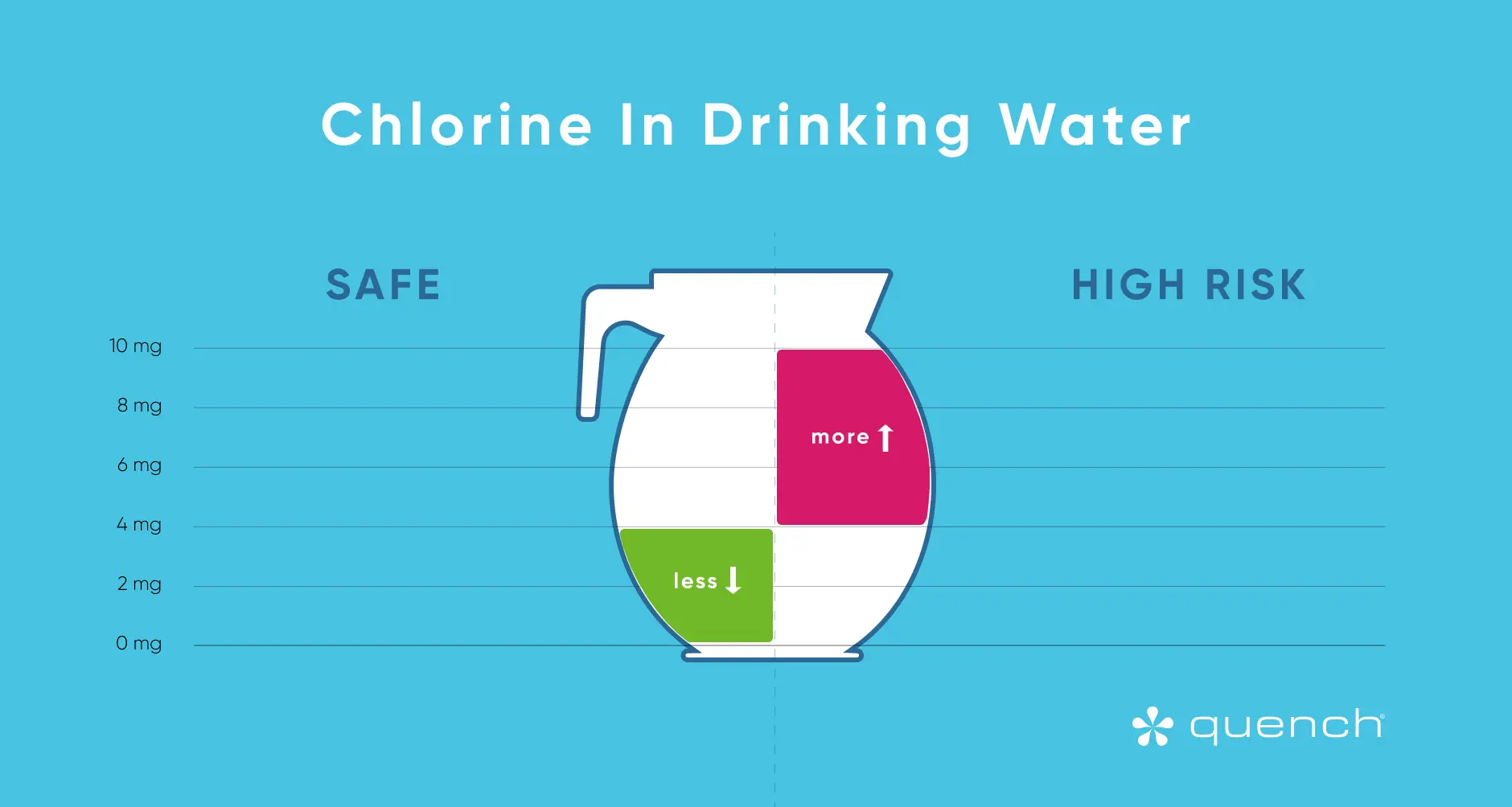
Let’s be real: you probably don’t think about your tap water until someone hands you a glass that smells like a public pool. Suddenly, that crisp, clear H₂O feels suspicious. Is drinking chlorinated water actually bad for you, or is this just another wellness myth we’ve all been sipping?
The short answer? No, it’s not dangerous in the amounts typically found in municipal water. Chlorine has been a public health superhero since the early 1900s, wiping out cholera and typhoid like a microscopic avenger. Without it, your water would be a breeding ground for bacteria that make you way sicker than any chemical concern.
But let’s get into the nitty-gritty, because nuance is where life—and hydration—gets interesting. Here’s what you actually need to know, served with a side of practical tips and a dash of cultural flair.
Must Read
The Science of the Swim-Up Bar
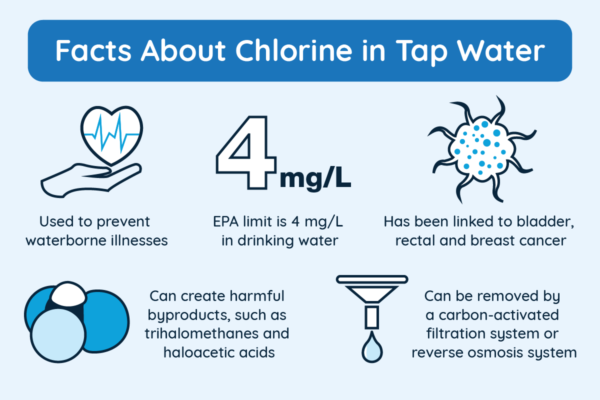
Chlorine works by breaking down cell walls of pathogens, which is great when it’s killing E. coli. But when it reacts with organic matter—like dead leaves or, uh, your own skin cells—it forms disinfection byproducts (DBPs). These DBPs, like trihalomethanes, are the real concern, not the chlorine itself.
Studies link long-term, high-level DBP exposure to a slightly increased risk of bladder cancer and reproductive issues. However, the EPA tightly regulates these levels. The average tap-water drinker is at no meaningful risk—think of it like flying: statistically safer than the drive to the airport.
Still, if you’re a prepper who drinks gallons daily, or a pregnant person (always check with your doc), you might want a filter. Otherwise, relax: you’re not swimming in a chemical soup. You’re just hydrating with a little extra sanitizer.
What About the Taste and Smell?
That “pool vibe” isn’t actually chlorine; it’s chloramine—a longer-lasting disinfectant used by many cities. It’s what makes your water smell like a high school swim meet on a Tuesday. The good news? Chloramine does dissipate. Let water sit in a pitcher for 15 minutes, or boil it, and the smell vanishes like your motivation at the gym.
Bonus fun fact: In Paris, tap water has a distinct mineral tang from the Seine’s chalky geology. The French don’t panic—they just buy a carafe. You can do the same. A simple activated-carbon pitcher filter (like Brita or Pur) removes chlorine taste and most DBPs without breaking the bank.
For the bougie among us, a countertop distiller or reverse-osmosis system is overkill for most homes. Stick with the pitcher, and you’ll feel like you’re drinking from a mountain spring—until you remember the mountain is actually a reservoir in New Jersey.
Cultural Water Wisdom: From Tokyo to Tel Aviv
Walk into a Tokyo convenience store, and you’ll see shelves of mineral water—not because tap is dangerous, but because Japan’s post-WWII infrastructure makes it taste like a chemistry kit. Japanese coffee shops serve “ion water,” which is basically filtered tap with a hip name. It’s psychological. You can do the same: call your filtered water “artisanal hydration” and watch your friends nod approvingly.
 Why Does My Tap Water Smell Like Chlorine? - Angel Water Inc.
Meanwhile, in Tel Aviv, the Mekorot water company runs desalination plants that make reclaimed water so clean it’s actually too pure. They add minerals back for flavor. Yes, we’re adding things to water to make it taste like water. It’s a strange world.
And let’s not forget the British: they famously drink warm, flat tap water without flinching. Culture is everything. The lesson? Your water’s character is a story, not a threat. If the story includes chlorine, just edit the ending with a filter.
Practical Tips for the Modern Sipper
First, don’t fear the tap. Fear the plastic bottle industry that makes you pay $3 for something that’s 99% tap water anyway (looking at you, certain brands). If you’re truly worried, check your local water quality report—it’s public, free, and often surprisingly detailed. You might find that your city’s water is rated “excellent” while your neighbor’s well water has uranium. Yes, uranium. It’s a thing.
Second, invest in a stainless steel bottle with a built-in charcoal filter. Brands like LifeStraw or Grayl are great for travel. For home, a simple carbon filter pitcher costs $30 and lasts months. That’s cheaper than a single weekend of bottled “artesian” nonsense.
Third, embrace the art of the spritz. A squeeze of lemon or a splash of cucumber not only masks chlorine taste but also adds flavor without sugar. It’s the spa treatment your kitchen counter deserves. Bonus: lemon antioxidants neutralize any trace DBPs. Science and style, together.
The Bottom Line: Swim, Don’t Drown
Drinking chlorinated water is like dating a firefighter: mostly safe, occasionally smelly, but ultimately protects you from disaster. The real villain isn’t the chlorine—it’s the lack of it in places without clean water. So tap a glass, take a breath, and enjoy the luxury of safety.
I keep a carafe on my counter with a thin slice of lime floating in it. It looks like a cocktail, tastes like summer, and reminds me that hydration doesn’t have to be a science experiment. Chlorine is just a guardian angel with a chemical sneeze. You don’t have to love it, but you can totally live with it.
Now go drink something—preferably water, preferably from a tap, and preferably with a little lime. Your body, your city, and your sense of calm will all say cheers.
