Reverse Osmosis Water Filtration For Home

Okay, let’s talk about water. Specifically, the water that comes out of your tap. It’s kind of a magical modern miracle, right? But sometimes, it tastes a little… off. Maybe i...
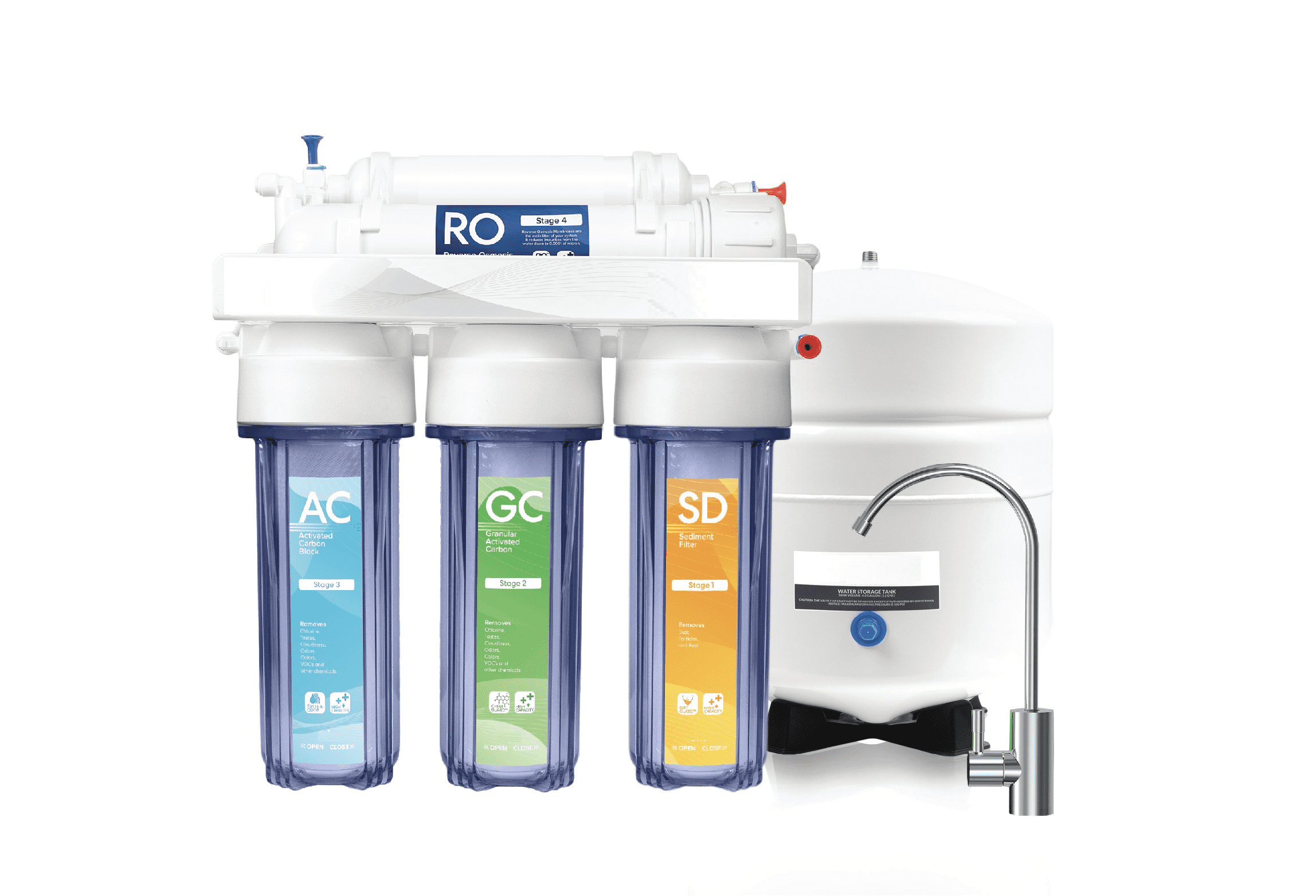
Okay, let’s talk about water. Specifically, the water that comes out of your tap. It’s kind of a magical modern miracle, right? But sometimes, it tastes a little… off.
Maybe it has a hint of pool water, or a metallic tang that makes your morning coffee sad. Enter the hero we never knew we needed: Reverse Osmosis.
I know, it sounds like something a mad scientist would build in a basement. But trust me, it’s way cooler than that. Let’s break it down without the boring science jargon.
Must Read
What on Earth is Reverse Osmosis?
Imagine you have a super-fancy strainer for your spaghetti. But instead of keeping noodles in, it keeps everything else out. That’s basically what reverse osmosis does.
It uses pressure to push water through a semi-permeable membrane—fancy talk for a really, really fine filter. This membrane is so tight that only water molecules can squeeze through.
Everything else—like lead, chlorine, fluoride, pesticides, and even those weird tiny minerals—gets told, “Sorry, you’re not invited to this party.” It’s the VIP section for H2O.
Why Your Tap Water Might Be a Drama Queen
Let’s be real: tap water isn’t always the star it thinks it is. Depending on where you live, it can be carrying a whole entourage of unwanted guests.
We’re talking about stuff like arsenic (yikes), nitrates (not the good kind from veggies), and even microplastics (tiny bits of our own trash). Gross, right?
A reverse osmosis system is like that friend who gently pulls you aside and says, “Hey, you’ve got a little something on your face. Let me fix that.” It’s the ultimate cleanup crew.
But Isn’t It Complicated? (Spoiler: No)
I thought installing one would require a PhD in plumbing and a sacrifice to the faucet gods. Nope! Most home reverse osmosis systems are surprisingly simple.
You can buy a countertop model that plugs in and sits there, looking cute. Or, you can get an under-sink model that hides away like a tiny, helpful ninja.
Installation is usually just a few tubes and a clip. Even I did it without flooding my kitchen, and I once burned toast by leaving it in the toaster too long. (That’s an achievement, okay?)
The Taste Test: Prepare for a Revelation
The first time you drink reverse osmosis water, you might be a little confused. It tastes like… nothing. And I mean that in the best way possible.
You know how sparkling water has that “crisp” feeling? This is like that, but without the bubbles or the judgment. It’s just clean. Your coffee will stop tasting like a chemistry experiment.
Your ice cubes will be crystal clear instead of cloudy. You’ll start drinking water just for fun, like a weirdo who loves hydration. Welcome to the club.
But Wait—Doesn’t It Waste Water?
Okay, let’s address the elephant in the room. Old-school reverse osmosis systems did waste a lot of water—like, “Hey, I’m just going to dump a few gallons down the drain for every one gallon I make.” Yeesh.
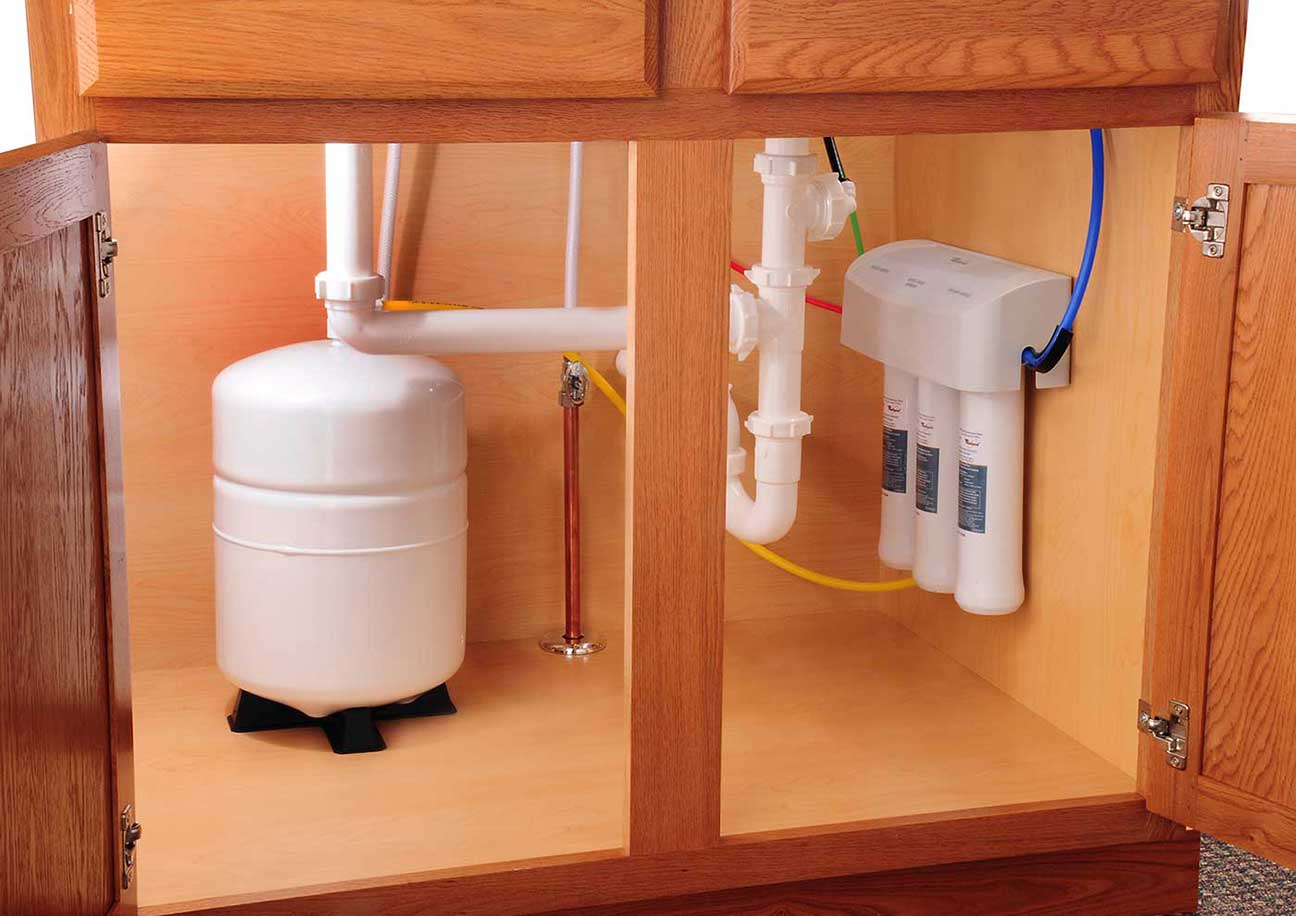 Reverse Osmosis Home Water Filtration System | Whirlpool
But modern systems are way smarter. Many are “zero-waste” or have a pump that recirculates the rejected water. Some even send it back to your hot water heater, so nothing goes to waste.
And honestly, even with older models, the water “wasted” is often less than what you’d use running your tap for two minutes. So don’t let that scare you off from thirsty-sipping glory.
The Cost: Is It a Fancy Toy or an Investment?
You can find a decent countertop unit for around $100–$200. That’s less than a fancy espresso machine, and it won’t judge you for using instant coffee.
Under-sink models with replaceable filters run from $200 to $500. Yes, you have to change the filters every six months (like a grown-up), but they’re cheap—like $30–$50.
Compare that to buying bottled water for your family every week. You’ll save money and save the planet from all those plastic bottles that stare at you from the recycling bin. Double win!
Who Should Get One? (Hint: Almost Everyone)
If you live in an old house with lead pipes, get one yesterday. If your water tastes like a swimming pool after a frat party, same advice.
Do you have plants that keep dying? They might be drinking the same sad tap water you are. Your fiddle-leaf fig will thank you with actual green leaves instead of guilt.
And if you just want the best-tasting water on the block for your tea, coffee, or simple hydration, reverse osmosis is your new best friend. No drama, just hydration.
A Quick “Cons” Check (Because I’m Honest)
Reverse osmosis removes everything—including healthy minerals like calcium and magnesium. Some folks worry about that, but unless you’re living on water alone (which is weird), you get those from food.
If you’re really worried, you can buy a mineral boost filter that adds them back. It’s like a spa treatment for your water after it gets squeaky clean.
Also, the water comes out a little slower than your tap. It’s not a fire hose—it’s more like a thoughtful, gentle stream. Perfect for sipping, not for filling a bathtub.
Final Sip: Why You Should Dive In
So here’s the deal: reverse osmosis water filtration is not just for tech geeks or health nuts. It’s for anyone who wants to enjoy every glass of water like it’s the first time.
Imagine pouring a glass of water that is so pure, so crisp, so unbothered by the world, that you actually smile. It’s a small luxury, but it makes every day a little brighter.
So go ahead—treat your tap. Treat your taste buds. And most of all, treat yourself. Because you deserve water that tastes as good as you feel. Now go hydrate like the champion you are. 💧
