Residential Reverse Osmosis Water Systems

Okay, let’s talk about water. Not just any water, but the stuff coming out of your tap. You know, the stuff you’re probably not thinking about right now... until you taste a h...
Okay, let’s talk about water. Not just any water, but the stuff coming out of your tap. You know, the stuff you’re probably not thinking about right now... until you taste a hint of chlorine, or worse, that weird metallic twang. Am I right?
Enter the Residential Reverse Osmosis Water System. Sounds super technical, like something from a sci-fi movie, right? But trust me, it’s way simpler than it sounds. And honestly, it might just be the best thing you do for your kitchen this year—no joke.
What is it, really?
Imagine a super-strict bouncer for your water. That’s basically reverse osmosis. It pushes water through a special membrane that’s so tight, only pure H2O gets through. Everything else—lead, chlorine, pesticides, even that funky taste—gets tossed out.
Must Read
Think of it as a water spa for your glass. It’s not just filtered; it’s transformed. And you don’t need a lab coat to benefit from it. You just need a glass and a thirst.
Why do you even need this?
Here’s the thing—tap water is usually fine. Usually. But it’s not perfect. Municipal water plants add chlorine to kill bacteria. That’s good for safety, but bad for taste. And then there are pipes—old, rusty, sometimes lead-lined pipes.
A reverse osmosis system catches that nonsense. No more funny aftertastes. No more wondering if your morning coffee tastes like a swimming pool. It’s just clean, crisp, neutral water. Your coffee deserves that, honestly.
And guess what? You’ll save money on bottled water. Those plastic bottles? They’re basically a scam. You’re paying for marketing, not magic. An RO system is a one-time purchase that pays for itself every time you fill a reusable bottle.
But isn't it a pain to install?
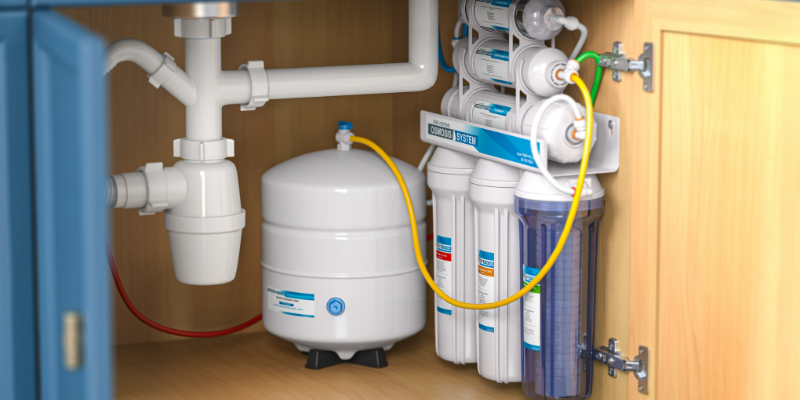
Look, I’m not gonna lie and say it’s as easy as plugging in a toaster. But it’s not brain surgery either. Most systems come with clear instructions and color-coded tubing. If you can change a lightbulb without a call to IT, you can probably handle this.
You’ll need a little space under your sink. Maybe an hour or two of your Saturday. And a second pair of hands to hold the unit while you tighten a screw. That’s it. Seriously. You’ll be sipping pure water by lunchtime.
Some people even pay a plumber for peace of mind. That’s fine too. It’s still cheaper than a lifetime of bottled water. And you get the bragging rights of having a larval technology in your home. (Okay, not larval, but it sounds cool.)
What's the catch?
Okay, let’s be real. Reverse osmosis systems have a few quirks. First, they produce wastewater. For every gallon of purified water, they might send 2-4 gallons down the drain. That sounds wasteful, I know. But newer models are getting better—some use 1:1 ratios.
Also, it’s not instant. You’ll have a small storage tank, so you won’t get a firehose of water. It’s more like a gentle stream. Great for filling a pitcher, not so great for filling a pool. But for drinking and cooking? It’s perfect.
 Residential Reverse Osmosis Water Filtration System 4 Stage
One more thing: RO water removes minerals like calcium and magnesium. Some people freak out about that. But relax—you get those from food, not water. And you can buy a remineralizing filter if it bugs you. No biggie.
Who is this for?
Honestly? Everyone. If you drink tap water, you’re a candidate. But especially: coffee snobs, tea lovers, soup makers, and anyone with a picky palate. You know the type—the person who says “this water tastes flat” like it’s a crisis.
It’s also fantastic for families. Kids drink more water when it tastes good. And you don’t have to fight about buying bottled water at the store. “No, Jimmy, we have water at home.” And now it’s actually good water.
If you live in an area with hard water or old pipes, this is a game-changer. That weird smell? Gone. That orange stain on the sink? Vanished. Your appliances will thank you too—less scale buildup means longer life for your kettle and coffee maker.
Any downsides I should know about?
Fine, I’ll be honest. The initial cost can feel like a punch in the wallet. A decent system runs $200–$600. But think of it as an investment in your health and your taste buds. You’ll save that money in months if you stop buying bottled water.
Also, you’ll have to change filters every 6–12 months. It’s a $30–$70 chore, but it takes five minutes. Set a reminder on your phone. Or just write it on the tank with a Sharpie like I did. Do it. A dirty filter defeats the whole point.
Oh, and one more thing: you might get addicted to the taste. Your friends will come over, take a sip, and ask, “What’s in this water? It’s amazing.” And you’ll smile, feeling like a hydration wizard.
So, should you get one?
Look, I’m not saying your tap water is toxic. But I am saying you deserve better. You deserve water that doesn’t need flavor packets to be drinkable. Water that makes your tea clear and your ice cubes transparent. (Okay, that part is just a bonus.)
If you’re on the fence, try a friend’s system first. See how your coffee tastes. See how your skin feels after a shower—yes, RO can even affect that. Then ask yourself: is this worth $0.10 per gallon? Probably yes.
So go ahead. Treat yourself. Your kitchen sink is waiting for its upgrade. And your taste buds? They’re already on board. Cheers.
