What State Has The Cleanest Drinking Water

Ever wondered what state has the cleanest drinking water? It’s one of those questions that sounds simple but gets surprisingly complicated—and really interesting. We’re not ju...
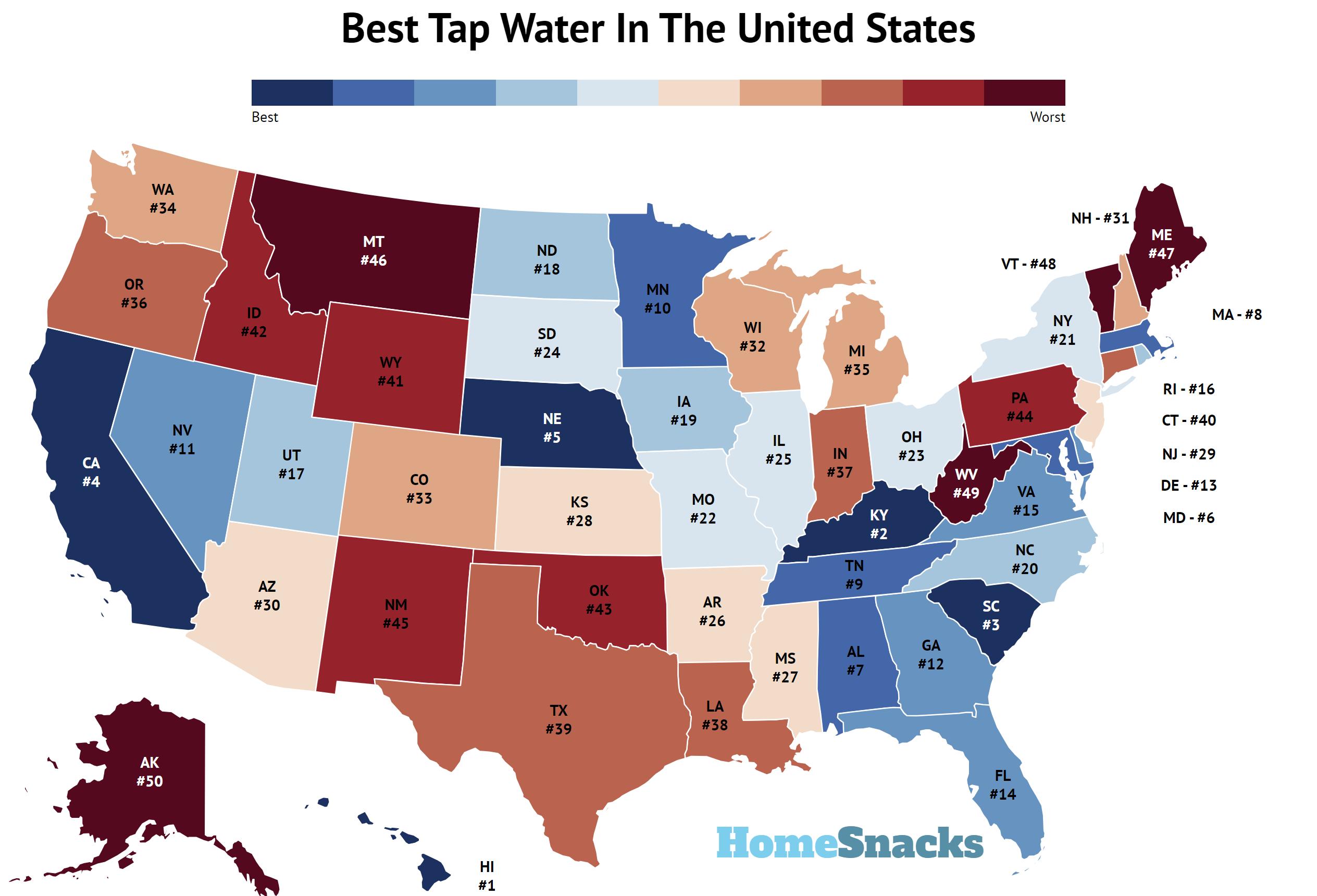
Ever wondered what state has the cleanest drinking water? It’s one of those questions that sounds simple but gets surprisingly complicated—and really interesting. We’re not just talking about taste here; we’re talking about purity, safety, and a whole lot of hidden science.
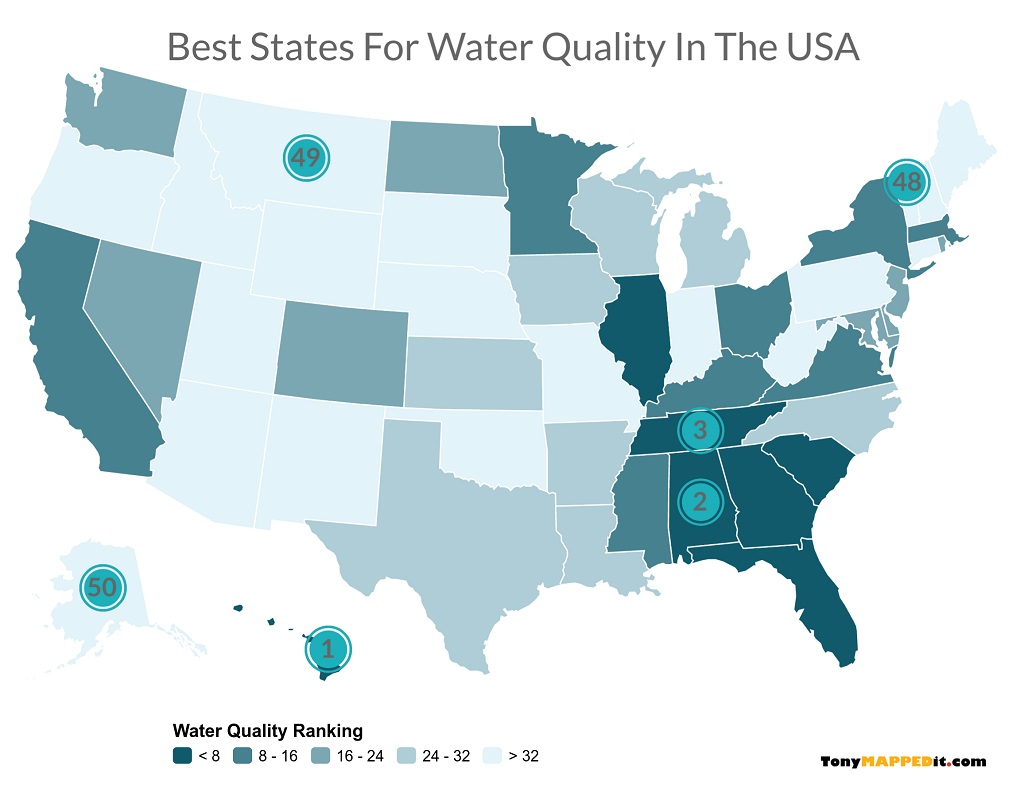
Let’s start with a fun fact: the winner might surprise you. It’s not a place you’d instantly guess, like a rainforest or a remote mountain cabin. In fact, the state with the cleanest tap water is often ranked as Hawaii.
Wait, Hawaii? Yes, really. The islands have incredibly strict water quality standards, and their natural filtration is next-level. Rainwater soaks through volcanic rock, which acts like a giant, natural Brita filter. Think about that—your glass of water in Hawaii might have traveled through layers of ancient lava before reaching your faucet.
Must Read
But is it the absolute cleanest?
Here’s where it gets tricky. Different organizations measure water quality in different ways. The Environmental Working Group (EWG) and the U.S. Environmental Protection Agency (EPA) don’t always agree on what “clean” means. Some states have fewer contaminants overall, while others score higher on specific tests, like lead or chlorine levels.
For example, Massachusetts and Rhode Island often tie for second place. They have super tight regulations and invest heavily in treatment plants. But Hawaii keeps the crown because of that volcanic filtration system—it’s a cheat code from nature.
Does that mean you should move to Hawaii just for the water? Probably not, but it does make you appreciate what’s flowing out of your tap back home.
What about the worst offenders?
On the flipside, states like Texas and Oklahoma often rank lower. Their water sources are more exposed to agricultural runoff and industrial pollution. But don’t panic—most tap water in the U.S. is still safe to drink. It’s just that some places have to work a lot harder to get there.
Here’s a cool comparison: drinking from a tap in Hawaii is like sipping from a pristine mountain stream. Drinking from a tap in Texas is more like drinking from a well-managed swimming pool—still fine, but you can taste the effort.
Why does this even matter?
Because clean water isn’t just about taste. It affects your skin, your energy, and even your digestion. Hard water (loaded with minerals) can dry out your hair. Soft water (low in minerals) can taste flat. The ideal water is balanced—and Hawaii nails that balance.
Another fun fact: some cities have water that’s better than bottled water. New York City, for instance, gets its water from the Catskill Mountains. It’s so pure that it doesn’t need much filtering. But the state itself? New York ranks highly, just not number one.
 How Much Clean Drinking Water Is Left On Earth - The Earth Images
So, how can you know if your state is good or bad? Check the EDF’s Tap Water Database online. You can punch in your ZIP code and see exactly what’s in your local supply. It’s eye-opening—and a little addictive.
Does bottled water beat tap?
Here’s the kicker: most bottled water is just tap water that’s been packaged. Brands like Dasani and Aquafina literally come from municipal supplies. So if you’re in a state with clean tap water, you’re already winning. Buying bottled is like paying for a fancy dress when you already have a perfectly nice one in your closet.
Hawaii’s tap water is so good that some residents joke it’s a shame to put ice in it. They say the cold ruins the flavor. Imagine that—a place where ice is considered a downgrade.
What about the future?
Climate change is making water quality a hot topic. Droughts concentrate pollutants, and floods wash pesticides into reservoirs. States like California and Arizona are working hard to keep up, but it’s a constant battle. Hawaii’s volcanic filter system, however, is largely immune to these problems. Lucky them.
But here’s a hopeful note: many states are improving. Vermont and New Hampshire have invested in new filtration tech. Small towns are testing for lead more aggressively. The trend is upward.
So, what’s the takeaway? If you live in Hawaii, toast to your good luck. If you don’t, don’t stress. Most tap water in the U.S. is perfectly safe—and you can always use a fridge filter to mimic that volcanic magic. Just remember: the cleanest water is the one you actually drink, not the one you dream about.
Now, go pour yourself a glass. See if you can taste the difference. Or, you know, just enjoy it. Water is cool like that.
