How Do I Know My Water Softener Is Working

So you’ve got a water softener. Congrats, you fancy thing. But now you’re standing there, water glass in hand, wondering: *is this expensive box of salt actually doing anythin...
So you’ve got a water softener. Congrats, you fancy thing. But now you’re standing there, water glass in hand, wondering: is this expensive box of salt actually doing anything? I’ve been there. It’s like owning a pet that never moves or makes noise—you just have to trust it’s alive.
Let’s fix that. Your senses are your best tools here. And no, you don’t need a chemistry degree or a magic wand. You just need to look, feel, and maybe taste a little. (Don’t worry, it’s safe.)
The Soap Test (a.k.a. the Suds Showdown)
Head to your kitchen or bathroom sink. Turn on the water. Now pump some liquid soap into your hands. Not the fancy fancy stuff—just regular hand soap.
Must Read
If your softener is working, you’ll get a glorious, thick lather. Like rainbow clouds on your palms. Hard water? It gives you a sad, thin, slippery mess that feels like it’s already rinsed off. You deserve clouds, not sadness.
What About Dishes? (The Spot Check)
Pull a glass out of your dishwasher. Hold it up to the light. Is it spotless? Perfectly clear, like single malt scotch? That’s your softener whispering, “I’m on it, boss.”
If you see cloudy spots, white film, or a crusty ring—uh oh. That’s calcium and magnesium doing a victory dance. Your softener might be on coffee break. Time to investigate.
Your Skin Knows Best (And Your Hair, Poor Thing)
After a shower, pay attention to your skin. Soft water feels silky, like you just rubbed lotion all over without the sticky part. Hard water leaves your skin tight, squeaky, and sometimes itchy. (Ever felt like you’re wearing a straitjacket made of dryness? That’s hard water.)
Now your hair. Running your fingers through it should feel like a shampoo commercial. No tangles, no matting. If it feels like straw trying to escape your head, your softener is slacking. Call it out.
The Limescale Check (Bathroom Edition)
Peek at your showerhead or faucet. No crusty white buildup? Beautiful. That’s hard water’s ghost. Limescale is the telltale sign of a broken heart—or a broken softener. A working system sends those minerals packing.
If you see white flakes falling off like dandruff from a snowman, something’s off. Don’t panic. It might just be a low salt level or a clogged valve. We’ll get to that.
Check the Salt Tank (The Obvious One, But You Knew That)
Go to your softener. Lift the lid. Is there salt in there? I know, question sounds dumb, but you’d be surprised. Sometimes we forget to refill it. Life gets busy—no judgment.
 How do I know if my water softener is working properly?
You should see enough salt to cover the bottom of the tank, preferably a few inches deep. If it’s empty or looks like a desert, your softener is basically a very expensive paperweight. Fill it up, run a regeneration cycle, and watch the magic return.
The Rust Test (For The Squeamish)
Run a bit of hot water into a white bucket or clear glass. Let it sit for a minute. Does it turn rusty or brown? That means your softener is letting iron through. A working system traps it like a bouncer at a fancy club. If you see rust, your resin bed might be exhausted.
Don’t drink it—well, you can, but ew. This is a sign to call a professional or buy a rust-removing resin cleaner. You’re better than brown water.
Listen To The Machine (It’s Not As Weird As It Sounds)
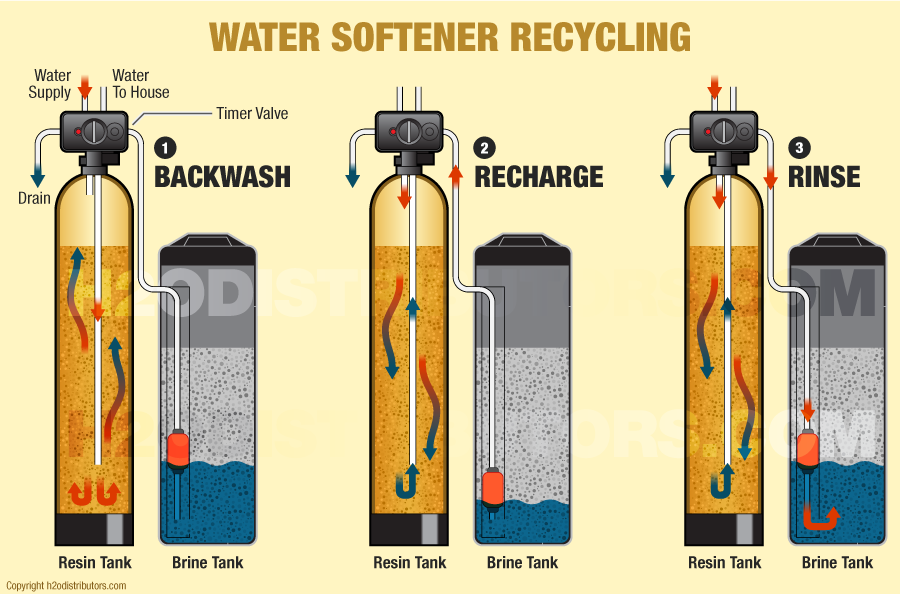
During regeneration, your softener makes sounds. A gentle hum, a water trickle, maybe a slight clunk. That’s normal—it’s swishing brine around and flushing out the bad guys. Silence? That’s the sound of failure. Or a power outage. Check the plug.
If you hear a constant hissing or a grinding noise, something is stuck. Like a sad robot. Ignoring it won’t help. Open the manual, Google the error code, or wave your hands dramatically until a plumber shows up.
The Taste Test (Proceed With Caution)
Alright, won’t recommend chugging from the tap, but take a tiny sip. Soft water tastes slightly different—smoother, less metallic. Hard water often tastes like licking a penny. If your water tastes like a mineral bath, your softener is missing the mark.
But hey, taste is weird. Some people love the bite of hard water (monsters). You do you. Just remember: a working softener makes water taste like, well, water. Clean. Neutral. Not like a science experiment.
The Final Clue: Your Wallet (And Clothes)
Look at your laundry. Are your towels fluffy or crunchy? Soft water keeps fabrics soft. Hard water leaves them stiff, like they’re plotting revenge. Also, check your water heater bill. A working softener means less scale inside it, so your heater runs efficiently. Lower energy bills? That’s your softener patting you on the back.
So there you have it. You don’t need a Ph.D. in plumbing to know if your softener is working. You need a little curiosity, a glass of water, and maybe a towel to compare. Trust your senses—and if all else fails, call the nice person at the water treatment store. They’ve seen it all. And they love talking about salt.
