What Causes The Sulfur Smell In Well Water

You turn on the faucet to fill a glass of water, and—boom—it smells like a week-old fart, or maybe a damp basement from a horror movie. Ever wonder what’s actually going on do...
You turn on the faucet to fill a glass of water, and—boom—it smells like a week-old fart, or maybe a damp basement from a horror movie. Ever wonder what’s actually going on down there in your well? It’s not magic, and it’s not a ghost; it’s just some pretty cool, tiny chemistry happening underground.
The Usual Suspect: Sulfur Bacteria
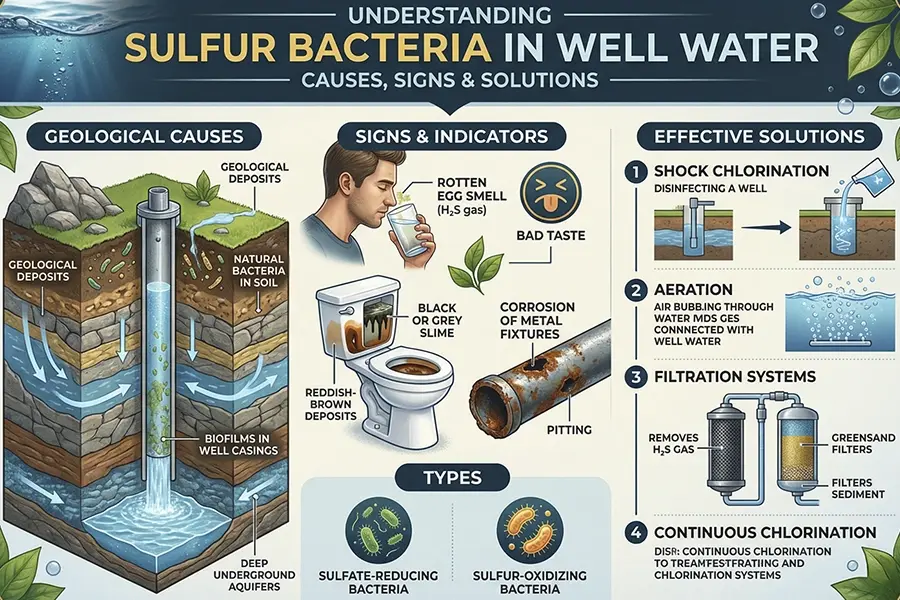
Most of the time, that rotten egg smell comes from sulfur bacteria living in your water. These little guys don’t need oxygen to survive—they thrive in the dark, low-oxygen world of your well.
They eat the sulfates naturally found in soil and rock, and their digestion produces hydrogen sulfide gas as a waste product. So, really, you’re smelling bacterial poop. Kind of gross, but also fascinating, right?
Must Read
Think of it like a tiny, underground farm of microbes that just happen to burp into your drinking water. It’s not harmful in small amounts—just super stinky.
Why Does It Only Happen Sometimes?
Ever notice the smell gets worse after you haven’t used the water for a while? That’s because the bacteria have been partying in the stagnant water, building up that gas.
Run the tap for a minute or two, and the smell often fades. Why? You’re flushing out the gas and bringing in fresh water that hasn’t been sitting around with the bacteria for hours.
It’s a bit like opening a soda can—the gas needs to escape. In this case, it’s just a stinkier bubble.
The Chemical Route: Hot Water & The Anode Rod
Here’s a weird twist: sometimes the smell only comes from your hot water. If your cold water smells fine, but the hot side smells like a gym locker, blame your water heater.
Inside most water heaters is a metal rod called the anode rod. It’s made of magnesium or aluminum, and it’s there to prevent rust by sacrificing itself chemically. But when it reacts with the sulfates in the water, it can create hydrogen sulfide gas on the spot.
So your water heater isn’t just a cozy tank—it’s a high-tech stink factory if the conditions are just right. Pretty wild that a piece of metal can make your whole house smell like a chemistry experiment gone wrong.
Occasionally: It’s Just The Groundwater Itself
In some areas, the bedrock itself contains sulfur-rich minerals like pyrite (fool’s gold). As groundwater flows through this rock, it naturally picks up hydrogen sulfide gas without any bacteria involved.
It’s like the water is doing a scenic tour through ancient, stinky geology. If you live near volcanic rock or sedimentary deposits, your well might just be tapping into Earth’s natural perfume collection.
 Sulfur in Water: Causes, Smell & How to Fix It
Not pleasant for your nose, but pretty amazing that the planet has been holding onto these smells for millions of years.
The Good News: It’s Usually Harmless
Before you panic, let’s get this straight: a sulfur smell in drinking water is rarely a health hazard. Your body can handle the smell, even if your nostrils revolt.
It can corrode pipes and stain sinks, and in very high concentrations, hydrogen sulfide gas can be dangerous in an enclosed space. But typical well water levels just mean your water is “interesting,” not toxic.
Think of it like a loud shirt—ugly, but not going to hurt you. You just might want to get a different shirt.
How To Fix It (Without Stress)
If the smell bugs you, you’ve got options. The simplest trick? Drop a little bleach down the well or shock the system to kill the bacteria. It’s like giving your well a spa detox.
For the water heater issue, you can replace the magnesium anode rod with an aluminum or electric one. That stops the chemical reaction that’s brewing those stinky fumes.
And for the hard-core stink? A charcoal filter or an aeration system can basically strip the gas out before it reaches your glass. You’re not changing the water—just giving it a breath of fresh air.
The Cool Takeaway
So next time you get a whiff of that eggy air, don’t just cringe—be a little curious. Your well water is telling you a story about the microbes, minerals, and metals living right beneath your feet.
It’s a reminder that groundwater isn’t just a boring pipe—it’s a living system with its own chemistry, personality, and occasional mood swings. Kind of like a cat, but with more fart jokes.
And hey, now you can impress your friends at dinner parties by explaining why their water smells like a dead skunk. That’s a superpower, if you ask me.
