What Can Reverse Osmosis Remove From Water

Let’s be honest: water can be a bit of a mystery, right? You turn on the tap, and out comes this clear stuff that’s supposed to be life-giving. But what if I told you that sam...

Let’s be honest: water can be a bit of a mystery, right? You turn on the tap, and out comes this clear stuff that’s supposed to be life-giving. But what if I told you that same water could be hiding a whole party of unwanted guests? That’s where reverse osmosis (RO) struts in like a superhero with a very fine net.
What’s Actually in Your Glass?
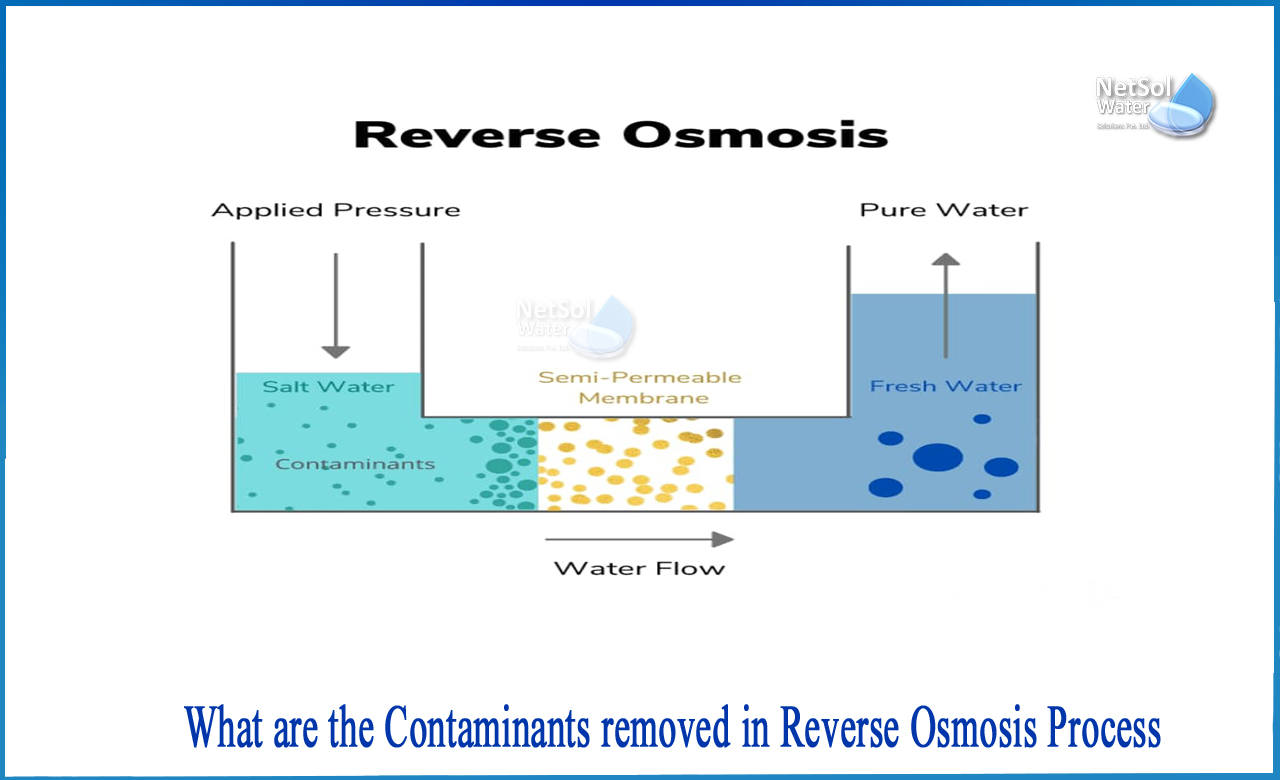
You might think water is just H₂O, but it’s more like a soup of dissolved bits and pieces. We’re talking about everything from minerals like calcium and magnesium (the good guys in small doses) to contaminants that are definitely not invited. Reverse osmosis is basically the bouncer at the club, only letting pure water molecules through the velvet rope.
So, what can this clever process actually kick out? More than you’d think. And that’s what makes it so fun to geek out over.
Must Read
The Big, Bad Stuff: Heavy Metals
First up, let’s talk about the villains. Reverse osmosis is brilliant at removing lead, mercury, arsenic, and copper. These are not things you want doing a backstroke in your morning coffee. Imagine your water filter as a microscopic goalie, blocking every heavy metal puck that tries to slide into your glass. It’s oddly satisfying to know your water is basically getting a spa detox.
And guess what? It also waves goodbye to fluoride and chlorine. Some folks love that, some don’t, but RO gives you the choice. That’s power, baby!
Salts, Nitrates, and the “Hard” Truth
Ever notice that white crust on your faucet? That’s hard water, caused by calcium and magnesium salts. RO sends those packing, too. No more chalky residue on your glassware, and your tea won't have that weird film on top. Cheers to that!
But here’s the big one: nitrates and nitrites. These often sneak in from agricultural runoff, and they’re a real buzzkill. RO kicks them out with shocking efficiency. Your water goes from “maybe okay” to “crystal cathedral clean.”
The Microscopic Gatecrashers
We haven’t even mentioned the stuff you can’t smell: bacteria, viruses, and protozoa. Almost all of them are physically too big to squeeze through an RO membrane. Think of it as a force field that makes E. coli or Giardia just turn around and leave. It’s like having a personal water bodyguard.
And yes, that includes microplastics—those tiny, invisible shards that are apparently everywhere now. RO is one of the few household methods that actually says, “Not today, little plastic.”
 Does Reverse Osmosis Remove Salt? Ultimate Purification Guide
What It Doesn’t Remove (And Why That’s Fun!)
Okay, let’s keep it real: RO isn’t perfect. It can’t remove some volatile organic compounds (VOCs) like certain pesticides or chlorine byproducts—those are tiny gas molecules that slip through. But guess what? That’s why many RO systems add a carbon filter stage. Problem solved.
It also strips out most minerals, which is why some folks add a remineralization filter. You get the purity and the good stuff. It’s like having your cake and insisting it’s also a health drink.
Making Life More Fun, One Drop at a Time
Here’s the lighthearted truth: knowing what RO removes makes you feel like a water wizard. You can host a blind taste test with friends—tap water vs. RO water—and watch their faces light up. The difference is wild. Suddenly, your homemade iced tea tastes brighter, your pasta cooks better, and your houseplants start looking like they’re on vacation.
It’s also a conversation starter. You can casually drop, “Did you know RO can remove up to 99% of dissolved solids?” into any dinner chat. Watch people get fascinated. It’s science, but the fun kind—the kind that makes your morning glass of water feel like a tiny victory.
The Uplifting Finish
So, what can reverse osmosis remove from water? Worry. It replaces doubt with confidence. It takes the “maybe” out of your hydration and hands you pure, simple clarity. And isn’t that what we all want? A little less noise, a little more yes.
Go ahead, dive deeper. Read about membranes, flow rates, and storage tanks. The more you learn, the more you realize: you’re not just filtering water—you’re curating your life. And that, my friend, is something worth raising a glass to. Cheers to the clean stuff!
