What Water Should You Use For Baby Formula

So, you’ve got a tiny human to feed, and suddenly everything feels like a chemistry experiment. Mixing baby formula sounds simple, but then you stare at the tap, the fridge, a...

So, you’ve got a tiny human to feed, and suddenly everything feels like a chemistry experiment. Mixing baby formula sounds simple, but then you stare at the tap, the fridge, and the jug, and think: Wait, what water do I actually use? Don’t worry—I’ve got you. Let’s break this down like we’re chatting over coffee (while the baby naps, obviously).
First, the Golden Rule: Safety First
Your main job is to make sure the water is free of germs and harmful stuff. Baby formula isn’t sterile, so the water you mix it with needs to be a clean superhero. Think of it as giving your little one a bodyguard in a glass.
The most important thing? Most experts, including the CDC and WHO, say you should boil your water for the first few months. Boiling kills bacteria like Cronobacter that can sneak into formula powder. Yes, it’s an extra step, but your baby’s tummy will thank you.
Must Read
Tap Water: The Classic, But With a Caveat
Tap water is usually fine—if it’s safe to drink yourself. But here’s the twist: lead pipes, old plumbing, or high mineral content can make it a no-go. If you’re unsure, check your local water report online. It’s like reading a restaurant’s health inspection—boring but reassuring.
And please, never use hot tap water for formula. Hot water can leach lead from pipes faster than cold water, and trust me, you don’t want a side of heavy metals with dinner. Always use cold tap water and boil it first.
Bottled Water: Convenient, But Read the Label
Bottled water is a lifesaver when you’re out and about, but not all bottles are equal. Look for “low fluoride” or “purified” water. Too much fluoride can mottle your baby’s teeth—and nobody wants a spotted smile before they even have a full set.
Also, skip the “natural spring water” if it’s high in sodium or sulfates. Your baby’s kidneys aren’t ready for a spa day from the Himalayas. Simple, low-mineral bottled water is your best bet.
Distilled vs. Purified: What’s the Difference?
This is where it gets geeky, but I’ll keep it short. Distilled water has been boiled into steam and then re-condensed—so it’s basically water that’s been on a detox retreat. Purified water goes through filters to remove icky stuff. Both are safe for formula, but distilled lacks minerals entirely, which is fine because the formula already has the nutrients your baby needs.
Just don’t use softened water from a home water softener. It swaps calcium for sodium, and too much sodium can be harmful to a tiny system. Leave the softened water for your own bubble bath.
The Boiling Game: How To Do It Right
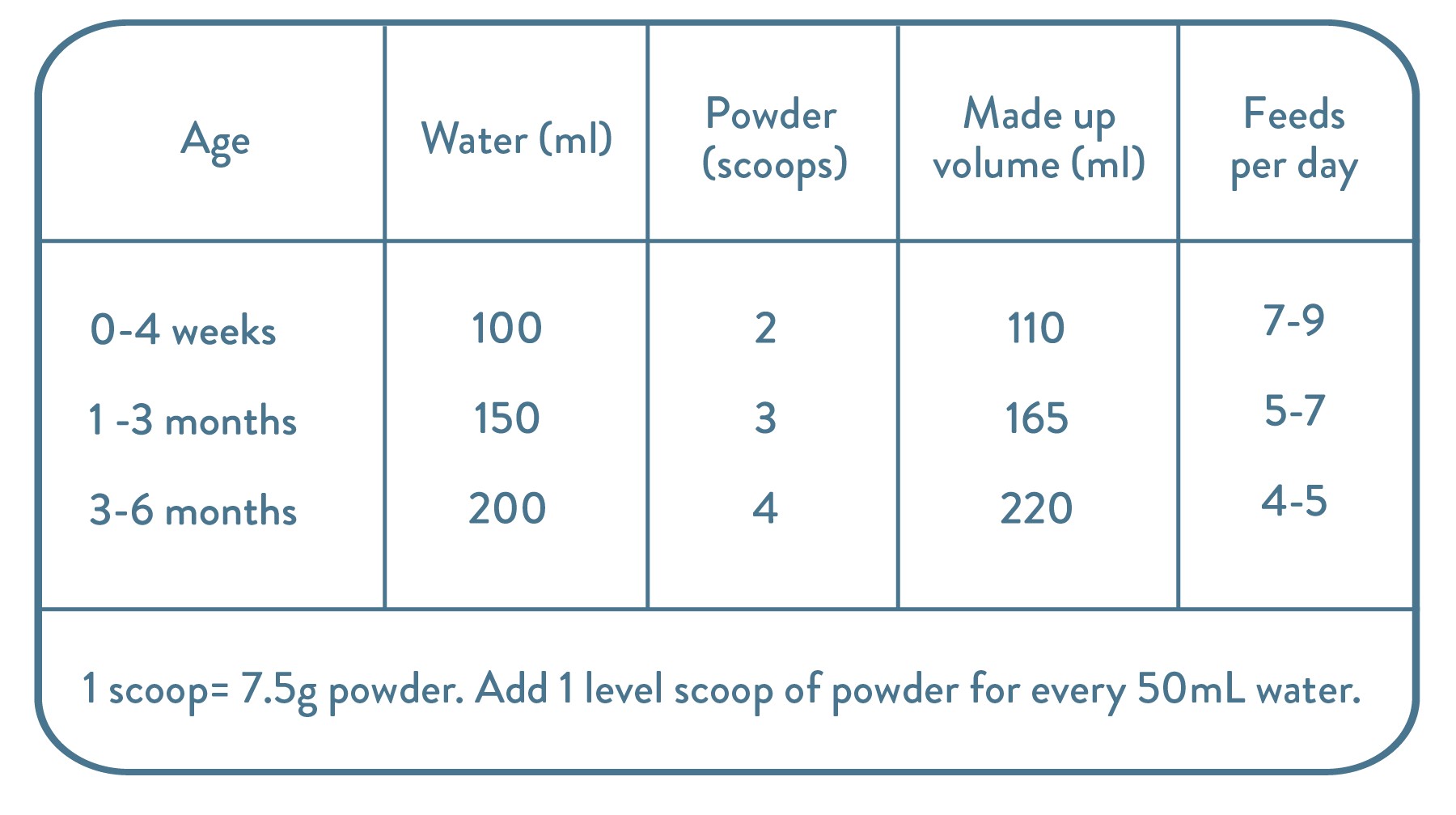
Boil your water for one minute (or three minutes if you’re at high altitude—thank you, mountain parents). Let it cool to about 158°F (70°C) before mixing with the powder. Too hot? It can kill the probiotics in some formulas. Too cold? It won’t kill germs. You’re aiming for that Goldilocks zone.
 LittleOak - Infant Formula 1 Sachets - Go Vita Thornton
But here’s a pro tip: You don’t need to boil water forever. Boil a big batch, store it in a clean covered pitcher, and use it within 24 hours. It’s like meal prep, but for milk. Bam—you just saved five minutes.
What About Nursery Water? Is It A Scam?
Nursery water is just pre-boiled, low-fluoride water sold at stores. It’s not magic, but it’s super convenient if you’re tired (and if you’re a parent, you’re always tired). Think of it as the “easy button” for formula water. It’s safe, but it costs more than boiling tap water yourself.
Personally, I used it on road trips and felt like a rockstar. But at home? Boiled tap water works perfectly and saves you cash for, you know, coffee.
The Cool-Down Dance
Once you’ve mixed the formula with the hot water, you gotta cool it down fast for feeding. Run the bottle under cold tap water or pop it in an ice bath. Test a drop on your wrist—it should feel like lukewarm summer rain, not a hot tub.
And please, never use a microwave. Microwaves heat unevenly, creating “hot pockets” that can burn a baby’s mouth. Nobody wants that drama. Just swirl the bottle gently—no shaking, or you’ll create a bubble-blowing monster.
When In Doubt, Ask Your Pediatrician
Every baby is different, and so is every water supply. If your tap water comes from a private well, get it tested for nitrates and bacteria. Preemies or immunocompromised infants? Always boil until your doctor says otherwise. I’m just a friendly guide—your pediatrician is the pro.
Uplifting Conclusion: You’ve Got This!
Look, feeding a baby is like learning to juggle while riding a tricycle—awkward at first, but you get the hang of it. The water you choose matters, but it’s just one piece of the beautiful puzzle. You’re already doing an amazing job by worrying about it. So take a deep breath, boil that water if you need to, and remember: every perfect little ounce of formula is a love letter to your baby. And love? Love is the best ingredient of all. Now go snuggle that tiny human—you’ve earned it.
