Different Types Of Salt For Water Softener

Okay, let’s talk about something that sounds boring but is secretly fascinating: salt. Specifically, the kind of salt you dump into your water softener. I know, I know—it’s no...
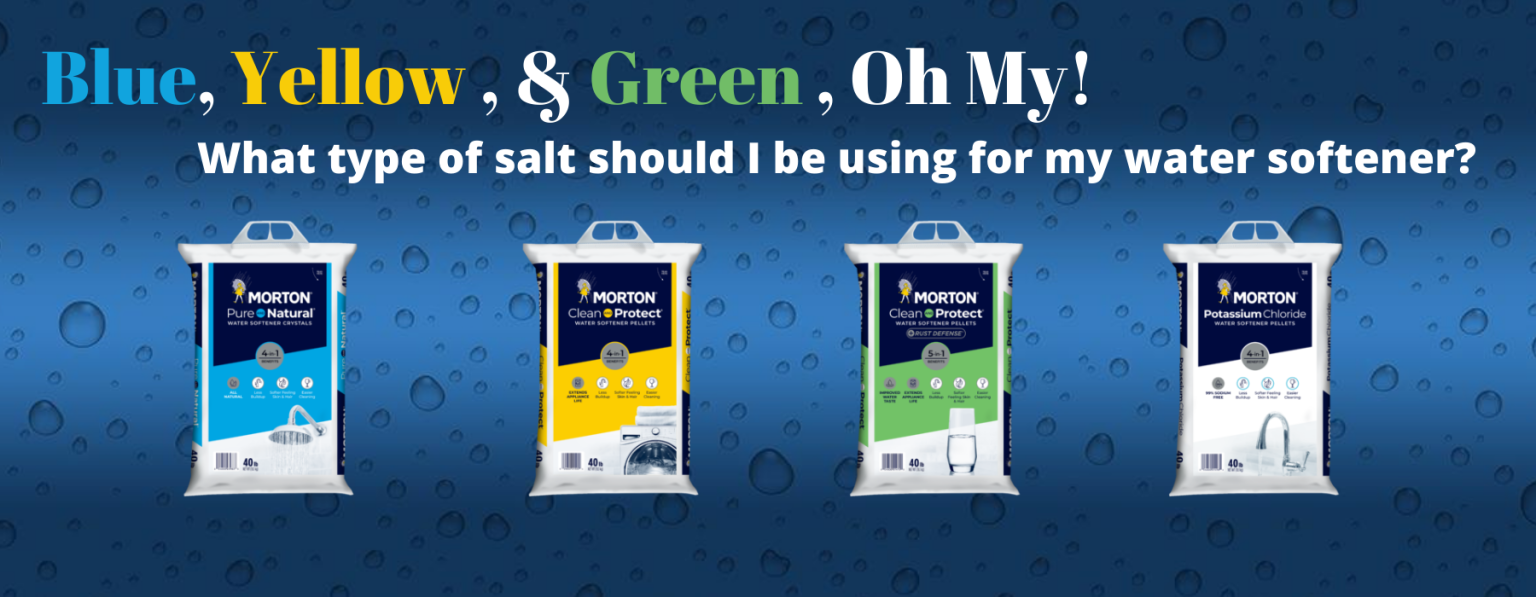
Okay, let’s talk about something that sounds boring but is secretly fascinating: salt. Specifically, the kind of salt you dump into your water softener. I know, I know—it’s not as exciting as, say, a new coffee blend. But stick with me, because picking the wrong salt is like putting diesel in a Prius. It gets messy.
Wait, why does my water softener even need salt?
Great question, and the answer is science. Inside your softener, a process called ion exchange happens. Basically, the salt helps swap out hard minerals (calcium and magnesium) for softer, friendlier sodium ions.
Without salt, your water stays hard. That means spotty glasses, sad hair, and a shower that feels like it’s judging you. So, yeah, salt matters.
Must Read
So, what are my options? Let’s break it down.
You walk into a store and see a wall of salt. It’s overwhelming. Do you grab the cheapest bag? The one with the cute label? Panic not. I’ve done the research so you don’t have to read the fine print while your toddler tries to escape the cart.
1. Rock Salt (the cheap, crusty rebel)
Rock salt is the wild child of the water softener world. It’s mined directly from the earth, so it looks like tiny, gravelly gems. It’s also the cheapest option, which is tempting.
But here’s the catch: rock salt is not very pure. It has a lot of insoluble stuff in it—like mud, clay, and minerals that don’t dissolve. Over time, that gunk builds up in your brine tank and turns into a sludgy mess. Cleaning that tank is nobody’s idea of a fun Saturday.
Rhetorical question time: Do you love scrubbing out a slimy bin? No? Then maybe skip the rock salt. Use it only if you’re on a tight budget and you’re okay with more maintenance.
2. Solar Salt (the chill beach dweller)
Solar salt is made by—you guessed it—letting seawater evaporate under the sun. It’s more expensive than rock salt but way purer. Think of it as the “slightly bougie” cousin who drinks kombucha and does yoga.
It comes in two forms: crystals or pellets. The crystals dissolve okay, but they can clump together if your basement is humid. Pellets are usually better—they resist clumping and dissolve more evenly. If you want “pretty good” without breaking the bank, solar pellets are your friend.
One tiny downside? Solar salt can leave a little bit of residue. It’s not sludge-town like rock salt, but it’s not perfectly clean either. Still, for most homes, it’s a solid choice.
3. Evaporated Salt (the fancy, white-glove option)
This is the premium stuff. Evaporated salt is mined, then dissolved in water, filtered to remove all impurities, and then evaporated again into pure, pristine crystals. It’s basically the filet mignon of water softener salts.
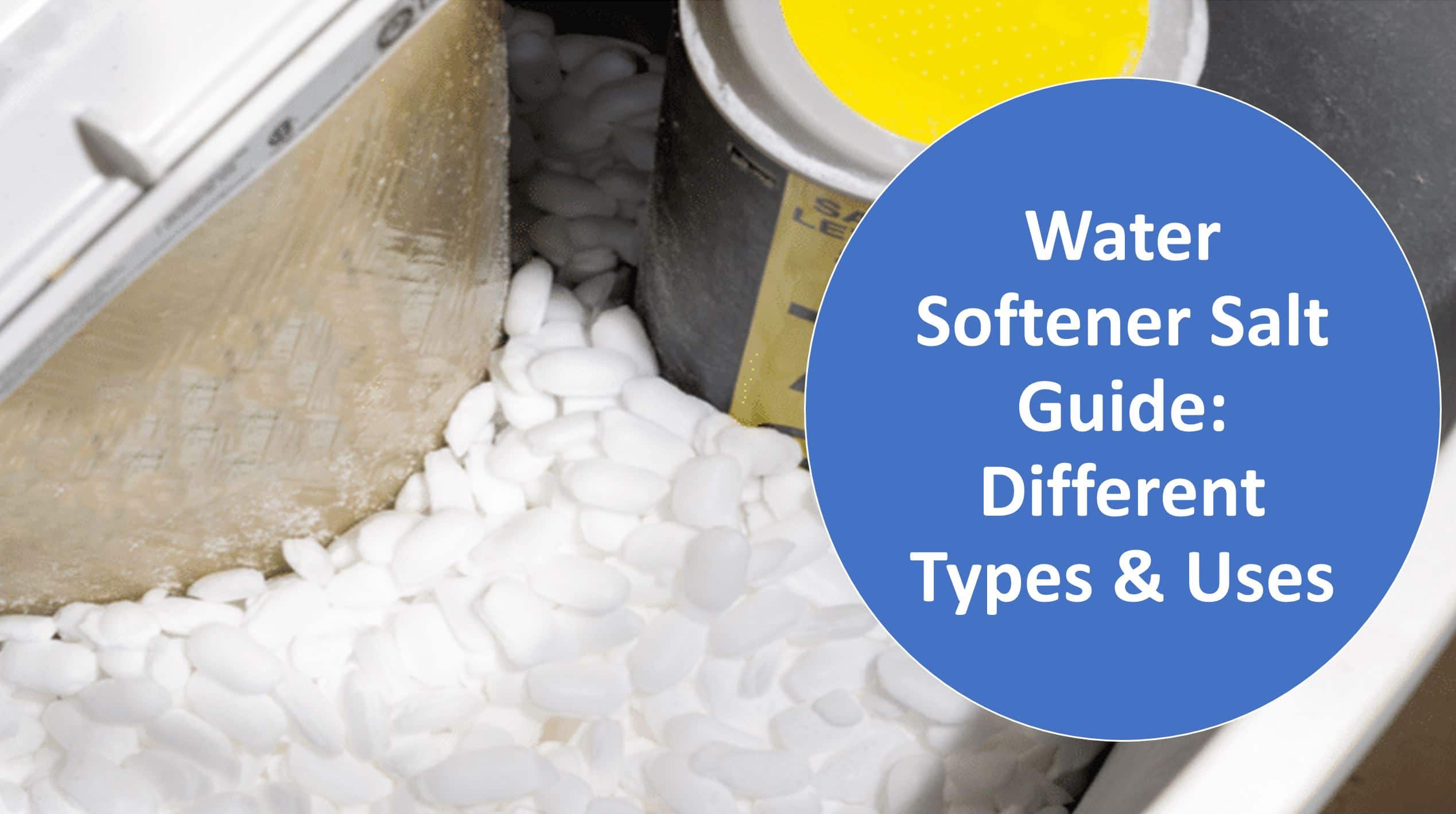 Different Types of Water Softener Salt & How to Choose - All For One
It’s also the most expensive. But wow, is it clean. It dissolves almost entirely, leaving very little buildup in your tank. Your water softener will thank you with fewer service calls and a longer lifespan. You might even get a little sparkle in your dishes.
Is it necessary? Not really. But if you have an automatic softener with a delicate valve system, using evaporated salt is like giving it a luxury spa day. Your call.
4. Potassium Chloride (the sodium-free unicorn)
Okay, this isn’t technically “salt,” but it’s sold right next to it. Potassium chloride is a salt alternative for people who are worried about sodium intake. It works the same way in the softener, but instead of releasing sodium, it releases potassium.
It’s a great choice if you or someone in your house is on a low-sodium diet. But it has two quirks. First, it’s pricey—sometimes triple the cost of regular salt. Second, it’s clumpier. It can turn into a brick if your basement gets damp, so you’ll need to stir it occasionally.
Pro tip: Don’t mix it with regular salt. Pick one lane. Either go full potassium or stick with evaporated salt.
Okay, but which one do I actually buy?
Here’s my honest, over-coffee advice: If you have a modern softener with a complex valve, go for evaporated salt pellets. It’s the safest bet. If your softener is old and you don’t mind a little maintenance, solar salt pellets are the best bang for your buck.
Rock salt? Only if you’re broke and ready to clean your tank every few months. Potassium chloride? Only if your doctor told you to watch your sodium.
One last thing (because I’m a nerd about this)
Always, always check the purity label. Look for salt that’s at least 99% pure. The closer to 100%, the better. Also, avoid salt with additives like “rust preventer” or “cleaner.” Those can gum up your system. Pure salt is the way.
So there you have it. Next time you’re staring at that wall of salt bags, you’ll know exactly which one to grab. And you can smile smugly while the other shoppers look confused. You’re welcome.
