How Often Should You Change A Water Filter

Let’s be real: your water filter is probably lying to you. It sits there, sleek and silent, while you sip your morning coffee, vaguely assuming it’s working its magic. But the...
Let’s be real: your water filter is probably lying to you. It sits there, sleek and silent, while you sip your morning coffee, vaguely assuming it’s working its magic. But the truth? Most of us are totally guessing when it comes to changing it.
The question isn’t just “how often?” It’s “how often should you, given your actual life?” The answer lives somewhere between your tap’s personality and your own forgetfulness. Think of your filter like your gym membership: ignoring it doesn’t make the problem go away, it just makes everything taste rusty.
The Golden Rule: It’s Not Just About Time
Standard advice says every six months for a pitcher filter, and every three to six for a fridge model. But this is fairy-tale thinking. Your filter’s lifespan depends on how much water you actually use and what’s in it.
Must Read
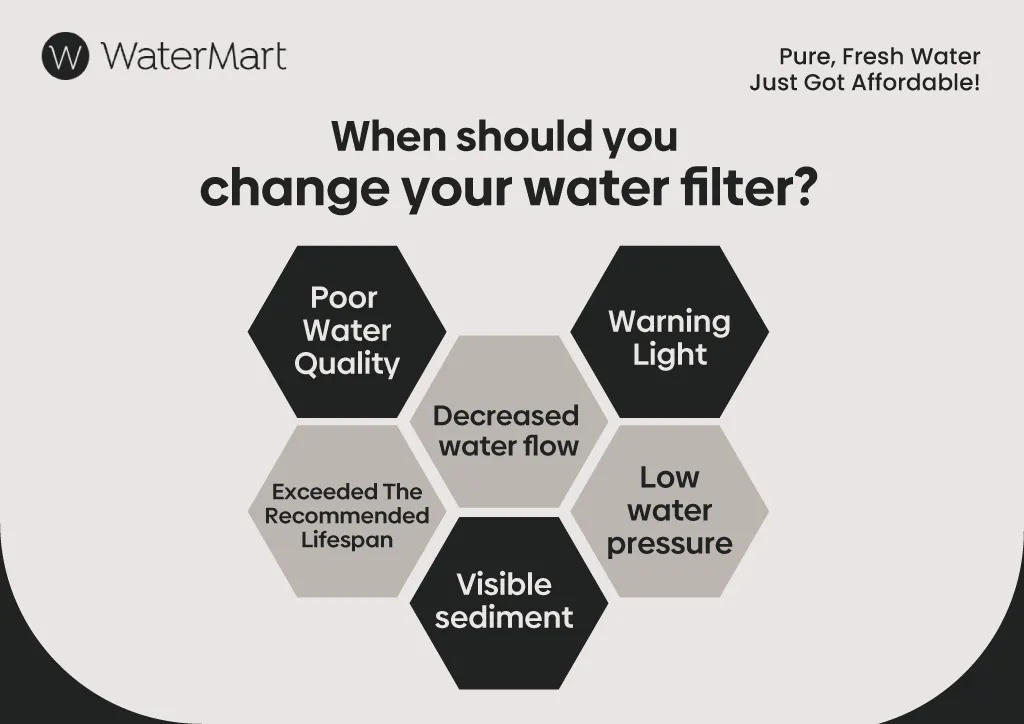
Check your owner’s manual—yes, that dusty booklet—but also listen to your senses. If your water starts tasting like a swimming pool or smells vaguely of last week’s salad, that’s your filter screaming for help. Don’t ignore it.
Consider this: a family of four guzzles way more water than a solo artist living on cold brew. Volume matters. A filter’s capacity isn’t measured in months, but in gallons. Overloading it is like asking a barista to make 50 lattes with one batch of beans. It’s going to fail.
The Truth About “Change Me” Lights
Many modern filters come with a little indicator light that glows like a wise, blue alien. Honestly? It’s a bit of a diva. These timers are often set to the maximum lifespan for marketing purposes, not your actual usage.
If you live in an area with hard water—hello, London, New York, or Los Angeles—your filter will clog faster. Think of it like wearing a white shirt to a spaghetti dinner: the mess shows up sooner. Change it earlier than the light suggests.
A neat trick: mark your calendar on a random day—say, the first day of spring and fall. That’s your filter change day. No thinking. No guessing. Just pure, lazy efficiency. System beats willpower.
Cultural Clues: What Your Water Says About You
Your filter is a silent historian of your home. If you’re someone who loves filtered coffee (a la the Japanese pour-over aesthetic), you’re likely a purist. That filter works overtime. Change it every two months if you’re brewing daily.
If you’re the “tap water is fine, but I bought a filter for vibes” type (I see you, Brooklyn), you might stretch it to eight months. But here’s the kicker: old filters grow bacteria. It’s science, not a horror movie—though it feels like one.
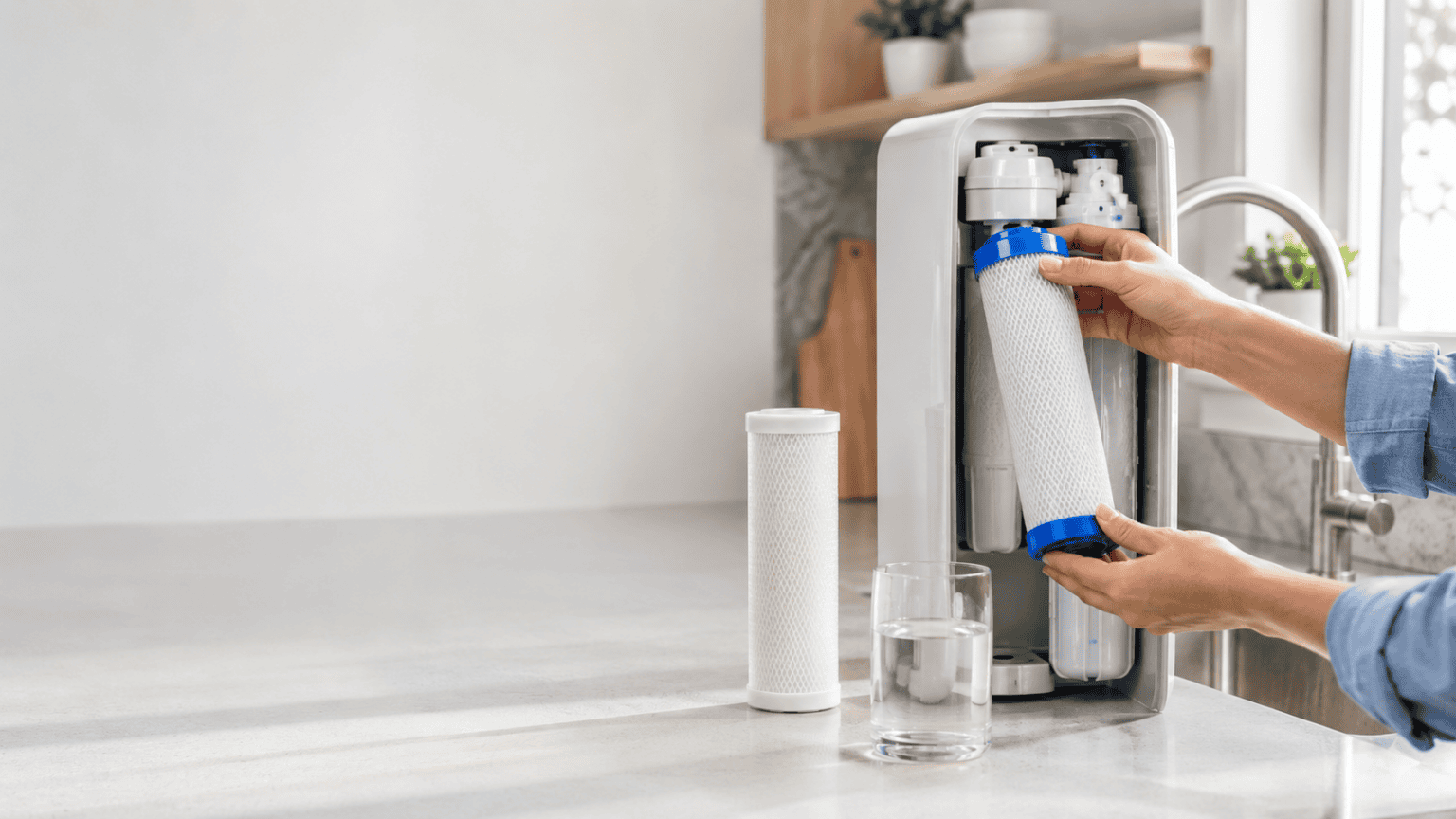 How Often Should You Change Your Water Filter? Complete Schedule by Type
Fun fact: the first modern water filter was invented in 1835 by a Scottish chemist named Robert Thom. He used sand and gravel. Today, we use fancy carbon blocks, but the principle remains: dirty filters don’t filter. They just pretend.
Practical Hacks for the Forgetful
Can’t remember the last time you changed it? Do a simple taste test: pour a glass of tap water and a glass of filtered water side by side. If you can’t tell the difference, your filter is probably already dead. Grab a new one today.
If you travel a lot, your filter might actually last longer because you’re not using it. But if you’re home every day making smoothies, soups, and iced tea, that filter is a workhorse. Respect the labor.
One more pro tip: buy filters in bulk. It’s cheaper and creates a “no excuses” zone. Store them in the same cupboard as your coffee mugs. That way, every morning you’re reminded: good water comes from good habits.
The Final Sip: Reflecting on Your Own Sink
At the end of the day, changing a water filter is less about a strict schedule and more about listening to your life. It’s a small, quiet ritual that says, “I care about the small things that keep me healthy.”
Next time you pour that clear, cold glass, take a second. Smell it. Taste it. If it’s perfect, thank your filter. If it’s meh, thank yourself for getting it done. You deserve water that works as hard as you do.
And if you still can’t decide when to change it? Just change it when you change your smoke alarm batteries—twice a year, with a side of guilt-free clarity. That’s the easy-going way.
