Uv Water Treatment For Waterborne Diseases

Ever wonder what’s really in that glass of water you’re about to chug? It’s something we barely think about, yet water can be a sneaky ride for tiny troublemakers. We’re talki...

Ever wonder what’s really in that glass of water you’re about to chug? It’s something we barely think about, yet water can be a sneaky ride for tiny troublemakers. We’re talking about waterborne diseases—nasty bugs like cholera, giardia, and cryptosporidium that turn your stomach into a battlefield.
Gross, right? But here’s where it gets cool: we can fight back with nothing more than light. Specifically, ultraviolet (UV) light. It’s like giving your water a superhero zap.
How Does This Wizardry Work?
Imagine ultraviolet light as a tiny, invisible tanning bed for microbes. When water passes through a UV chamber, those little bacteria and viruses get a massive dose of radiation that scrambles their DNA. It’s like they suddenly forget how to reproduce, which means they can’t make you sick.
Must Read
Poof—harmless. No chemicals, no weird taste, and no sludgy byproducts. Just clean water that forgot it ever carried a disease. Kinda neat, huh?
UV vs. The Classic Boil
Let’s be real—boiling water works, but it’s a hassle. You have to wait for it to bubble, then cool it down, and you’re using energy like it’s nobody’s business. UV treatment? You flip a switch, and in seconds, the bad guys are toast.
It’s like comparing a Sunday road trip to a rocket ship. One gets you there, but the other is just way faster and simpler. Plus, UV doesn’t strip away the good minerals in your water—it saves the flavor.
Why It’s a Game-Changer for Everyone
Waterborne diseases aren’t just a problem in faraway jungles. Even in cities, old pipes can let in little nasties. UV systems are now small enough to fit under your kitchen sink, or even in a portable bottle for hiking trips.
Think of it as your personal bodyguard against invisible invaders. No pills, no filters to replace every week—just a bright bulb that’s got your back. You’d trust a super-powered flashlight, wouldn’t you?
The “Ick” Factor: What UV Kills
Here’s the fun part: UV light is an equal-opportunity destroyer. It zaps viruses (like hepatitis A), bacteria (like E. coli), and even those tough parasites that chlorine can’t touch. Remember cryptosporidium? That little guy is a tank—but UV calls his bluff.
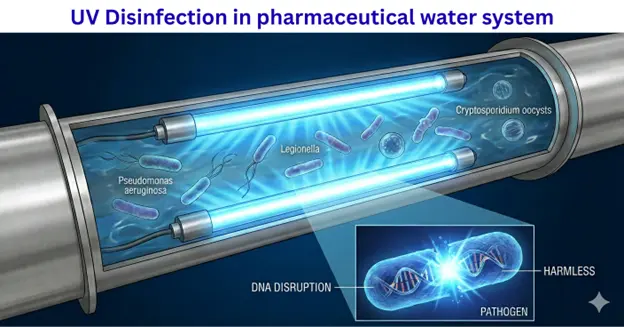 UV Technology for Pharmaceutical Water Quality Control | Alfaa UV
It’s like having a bouncer who doesn’t check IDs; it just throws every pathogen out of the club. And the best part? It does this without making the water taste like a swimming pool.
But Wait—Is It Perfect?
Nothing is, right? UV needs the water to be pretty clear—no mud or big particles—because light can’t hit what it can’t see. Think of it like trying to tan through a muddy t-shirt; the rays get blocked. So you might need a pre-filter for cloudy well water.
Also, UV doesn’t leave a “disinfectant leftover” like chlorine does. So if you store the treated water for weeks, there’s a tiny chance of new germs moving in. But honestly? Most of us drink it within a day, so it’s rarely an issue.
A Fun Comparison: Sunbathing Spores
You know how you get sunburned after a day at the beach? That’s UV light damaging your skin cells. Now imagine you’re a bacteria cell, and a UV lamp gives you 10,000 times more sunburn in a split second. You’d be done for, right?
That’s exactly what happens. It’s like giving microbes the worst sunburn of their microscopic lives. And they never see it coming. Poetic justice, if you ask me.
Should You Get One?
If you live in a place with old pipes, travel often, or just want peace of mind, a UV system is a no-brainer. They’re affordable—like $50 for a bottle or a few hundred for a whole-house setup. No electricity hog, either. A standard system uses less power than a 60-watt bulb.
Plus, you can say you drink “light-sterilized water.” Sounds sci-fi and fancy, but it’s just smart. So next time you fill your glass, picture a tiny tanning bed doing its job. Cheers to that.
