Water Filter And Salt Free Softener System

Imagine your morning shower as a spa ritual, but your skin feels like sandpaper and your showerhead looks like a geode. That’s hard water for you—minerals like calcium and mag...
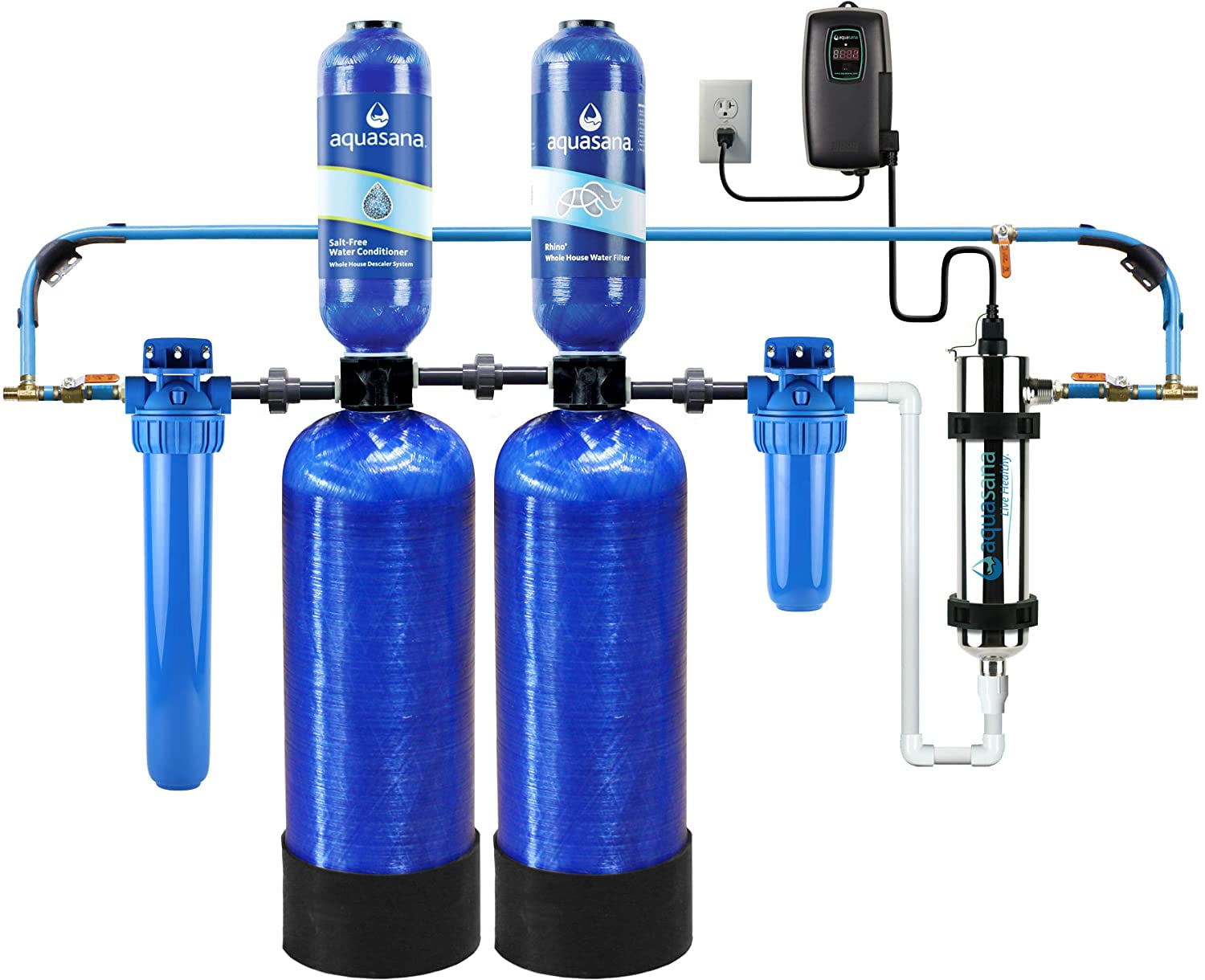
Imagine your morning shower as a spa ritual, but your skin feels like sandpaper and your showerhead looks like a geode. That’s hard water for you—minerals like calcium and magnesium throwing a constant party in your pipes. You don’t have to evict them with harsh salt, though. Enter the water filter and salt-free softener system, the chill, modern roommate your home didn’t know it needed.
What Exactly Is This Magic Box?
A salt-free softener doesn’t actually remove the minerals—it neutralizes them. It uses a process called Template Assisted Crystallization (TAC) to transform hard minerals into harmless, inactive crystals. Think of it like how Mary Poppins makes a mess tidy without throwing anything out.
Meanwhile, the water filter part catches the usual villains: chlorine, sediment, and weird tastes. Together, they’re a dynamic duo that leaves your water silky and your conscience clear.
Must Read
No salt means no slushy brine tank to clean, no heavy bags to haul from the store. It’s basically the Marie Kondo of water treatment—minimal effort, maximum joy.
Why Go Salt-Free? (Spoiler: Your Plants Will Thank You)
Traditional salt-based softeners swap magnesium for sodium, which can make your water slightly salty. That’s not great for your garden, your fish tank, or your morning matcha. Salt-free systems leave the healthy minerals intact—just in a form that won’t scale up your kettle.
Fun fact: The ancient Romans used lead pipes and hard water, which gave them chronic lead poisoning. Your modern salt-free system is basically Aqueduct 2.0—minus the empire collapse.
Practical tip: If you have a reverse osmosis system for drinking water, put the salt-free softener before it. That way, the RO filter lasts longer and you save money on replacement cartridges.
Your Pipes Will Sing Your Praises
Hard water scale builds up like plaque in arteries, reducing water flow and killing appliance efficiency. A salt-free system stops that scale from forming, extending the life of your water heater, coffee maker, and washing machine. It’s like dental floss for your plumbing—boring but essential.
And no, you won’t feel any “slippery” residue on your skin. That slick feeling from salt-based systems is actually sodium ions clinging to you. With salt-free, you get clean clean—like rain, but with less mud.
Culturally, we’re shifting away from heavy chemicals toward gentler, smarter tech. Even the Japanese have a concept called “mottainai”—a sense of regret over waste. Salt-free systems embody that: no wasted salt, no wasted water, no wasted energy.
Installation: Easier Than Assembling IKEA Furniture
Most salt-free systems install at the main water line, often without cutting pipes (thank you, push-fit connectors). You can DIY it in under an hour if you’re handy; otherwise, a plumber costs less than a nice dinner out.
Maintenance? Spot a fancy-looking cartridge. Replace it once a year. That’s it. No monthly brine refills, no electrical timers, no midnight alarms because the salt level dropped.
Practical tip: Buy a system with a built-in sediment filter if your water comes from a well. It’s like having a bouncer at the club—keeping the riffraff out before the main event.
The Eco-Friendly Subplot
Salt-based softeners dump gallons of salty brine into the municipal water system, which can harm freshwater ecosystems. A salt-free system produces zero wastewater. It’s the Greta Thunberg of home appliances—quietly saving the planet while you take a longer shower.
 FilterSmart Whole House Water Filter And Salt Free Softeners – Filtersmart
Fun fact: The TAC process was originally developed for industrial water treatment. Engineers then miniaturized it for homes. So yes, your house now has the same tech as a microchip factory. You’re basically living in a sci-fi film, but with better hair.
Culturally, we’re also seeing a rise in “slow living” and mindful consumption. A salt-free softener fits right in: it does its job without yelling about it, uses natural chemistry and respects the local water cycle. It’s the hygge of water care.
The Taste Test
Your tap water won’t taste like a mountain spring, but it will lose that metallic edge. Coffee brewed with filtered, softened water tastes smoother—less bitter, more nuanced. It’s like upgrading from diner coffee to a pour-over at a hipster café.
Practical tip: Pair your system with a carbon filter for drinking water. This catches residual chlorine and organic compounds. You’ll notice the difference immediately—like when you switch from cheap headphones to noise-cancelling ones.
And here’s a weird one: your ice cubes will turn clear, not cloudy. Cloudy ice is trapped air and minerals. Clear ice is pure, and it melts slower. That’s classy whiskey territory.
The Bottom Line (Numbers Don’t Lie)
A quality salt-free system costs between $500 and $1,200 upfront, plus $50–$100 per year for filter replacements. A salt-based system runs similar, plus the endless cost of salt bags. Over 10 years, you save roughly $300–$500 and countless trips to the hardware store.
But the real savings? Your water heater will last 3–5 years longer, your soap usage drops by 30%, and your clothes fade less. That’s eco-friendly math even your accountant would love.
Fun fact: The average American family uses 300 gallons of water per day. A salt-free system protects every single drop without wasting a one. That’s efficiency even a Swiss train schedule would envy.
A Small Reflection for Your Daily Routine
Think about the last time you stood under a shower and felt truly reset. That moment of peace is rare. When you know your water is clean, soft, and guilt-free, that shower becomes a little ritual of self-care. You’re not just washing away dirt—you’re rinsing off the noise of the day.
The water filter and salt-free softener system isn’t just a gadget. It’s a quiet promise that the small, mundane things can be done better, more gently, and with less harm. It turns your home into a sanctuary where the water whispers, not shouts.
So the next time you fill a glass, feel the softness on your skin, or watch your kettle stay spotless, remember: good water is a kind of magic. And the best kind of magic doesn’t need a spell—it just needs a smarter way to flow.
