Water Filters To Remove Iron And Manganese

Have you ever poured a glass of water from the tap, only to find it looks like weak iced tea? Or maybe your pristine white laundry keeps developing those stubborn rust-colored...
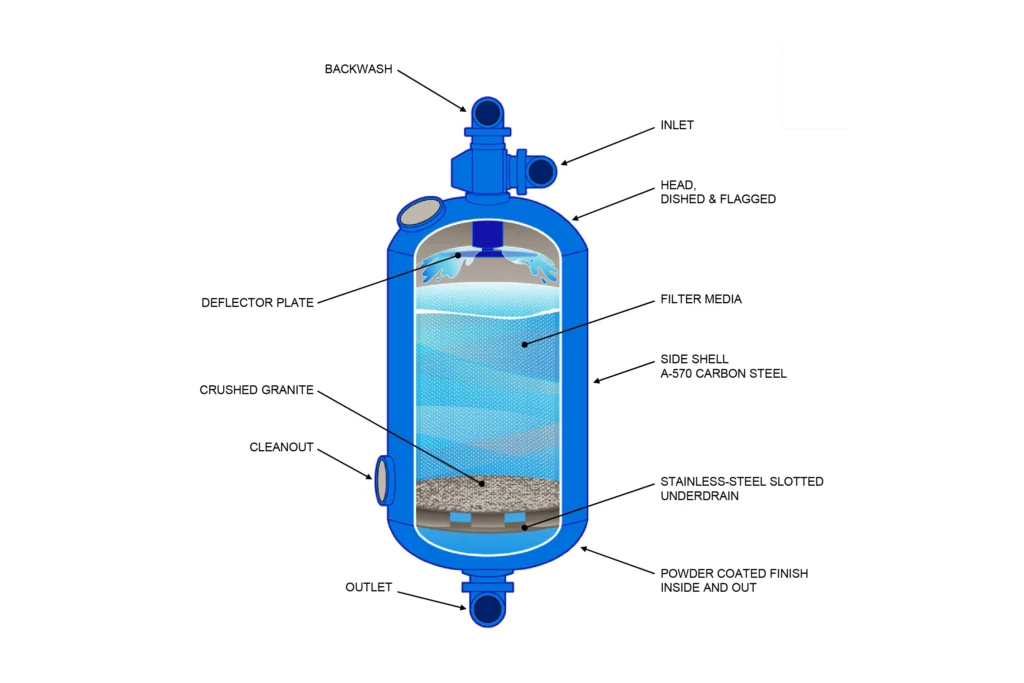
Have you ever poured a glass of water from the tap, only to find it looks like weak iced tea? Or maybe your pristine white laundry keeps developing those stubborn rust-colored stains? You’re not alone. Many homes, especially those on well water, face a common and annoying duo: iron and manganese. These tiny metals don't usually make you sick, but they sure can make your water a grumpy houseguest.
Think of it this way: iron is the drama queen of minerals. It loves to throw a tantrum by turning your water yellow, orange, or even a shocking reddish-brown. Manganese is its quieter, more mysterious cousin. It often shows up as a black sludge or gives your water a strange, metallic, almost "inky" taste. Together, they can make your morning coffee taste like you brewed it in a rusty bucket.
The Daily Annoyances You Just Don't Need
Let’s talk about the real-world hassle. I once had a friend who spent a fortune on a beautiful white bathtub. Within six months, it looked like a Jackson Pollock painting of brown and black splatters. No amount of scrubbing could fix it. That’s iron and manganese at work, oxidizing and sticking to everything.
Must Read
Your dishwasher? Those glasses that come out looking cloudy or with a weird film? Yep, that’s them again. Your washing machine? Those “clean” white socks coming out looking dingy and grey are a dead giveaway. It’s like the minerals are throwing a tiny, unwelcome party in your appliances.
Even your plumbing isn't safe. Over time, these metals can build up inside your pipes, like cholesterol in an artery. This reduces water pressure and can shorten the life of your water heater. It’s a slow, sneaky problem that hits your wallet where it hurts.
The Silver Lining: Simple Filters to the Rescue
Here’s the good news: you don’t have to live with "rust water." Modern water filters are amazing at removing both iron and manganese. The trick is that they need different methods depending on the "species" of mineral you have. It’s not one-size-fits-all, but it’s far from rocket science.
For most homes, a whole-house sediment filter is your first line of defense. Think of it like a bouncer at a club, kicking out the big, visible particles of rust and sand. But the really tricky dissolved iron and manganese need a "chemical conversion" to become solid particles that can be filtered out.
That’s where oxidation filters come in. Some use air, others use chemicals like chlorine or ozone to "shock" the iron and manganese into a solid form. A popular, low-maintenance option is a manganese greensand filter. It’s like a magic sponge that catches the metals and then cleans itself automatically.
What a Good Filter Actually Does for Your Day
Imagine your morning routine without the orange-tinted water. Your coffee tastes clean and bright again. Your ice cubes are clear, not cloudy. You can finally fill a glass of tap water without cringing. It’s a small victory, but it feels huge.
Your skin and hair will thank you, too. Hard water with iron can leave your skin feeling dry and your hair looking dull. After filtering, your shampoo actually lathers properly, and your skin feels squeaky clean instead of coated in a mineral film. It’s like a spa day, every day.
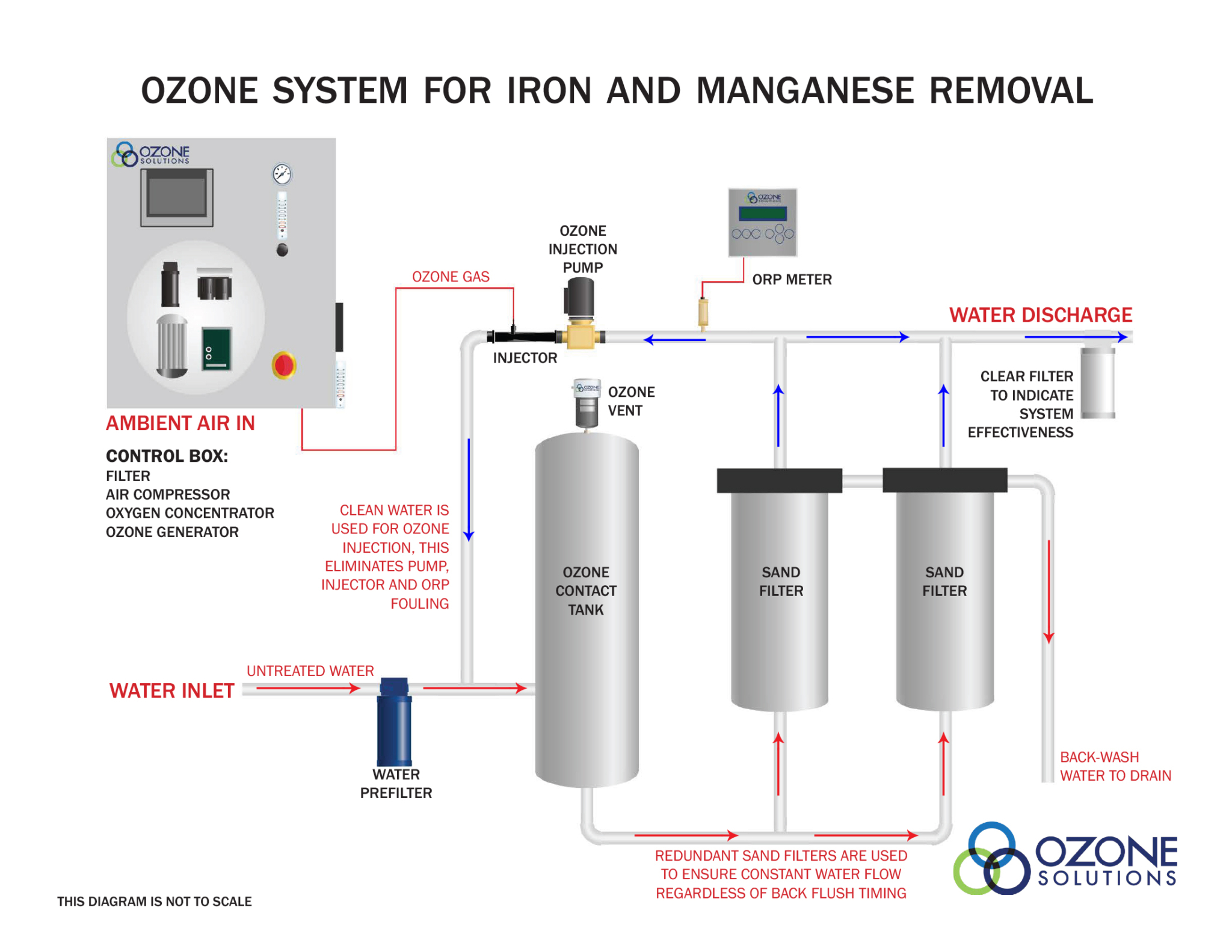 How Do Manganese Water Filters Work at Joel Viveros blog
And let’s not forget the appliances. Your washing machine, dishwasher, and water heater will last years longer without the buildup. You’ll save money on repairs and replacements. It’s the gift that keeps on giving.
Don't Guess – Test First!
Before you run out and buy a filter, do a quick test. You can buy a simple home test kit at a hardware store for pocket change. It will tell you the type and amount of iron and manganese you have. This is crucial because high levels of "bacterial iron" need a different treatment than plain dissolved iron.
Pro tip: If your water smells like rotten eggs (sulfur), that’s often linked with manganese and iron bacteria. That’s a job for a special filter, often an aeration system or a chlorine injector. Don’t worry – a local water treatment pro can help you narrow it down.
One of my favorite solutions is the catalytic carbon filter. It’s like a superhero that removes chlorine, bad tastes, odors, AND a little bit of iron and manganese all at once. It’s perfect for smaller households or as a final polishing step.
The Verdict: Worth Every Penny
Is it expensive? A good whole-house iron and manganese filter can cost a few hundred to a couple thousand dollars, including installation. But compare that to the cost of replacing a water heater, a washing machine, or constantly buying bottled water. It pays for itself in peace of mind and convenience.
Think of it this way: you are basically giving your home a mineral detox. You’re protecting your pipes, your clothes, your appliances, and your own personal enjoyment of the water you drink and bathe in. It’s one of those upgrades you wonder why you didn’t do sooner.
So, if you’re tired of looking at stained toilets and rusty sinks, take the plunge. That first glass of clear, cold, neutral-tasting water from the tap will make you smile. And isn’t that what a happy home is all about?
