Vinegar And Dish Soap For Hard Water Stains

Let’s talk about the scourge of bathroom fixtures everywhere: hard water stains. You know the ones—that chalky, white, angry-looking crust that clings to your faucet like a ba...
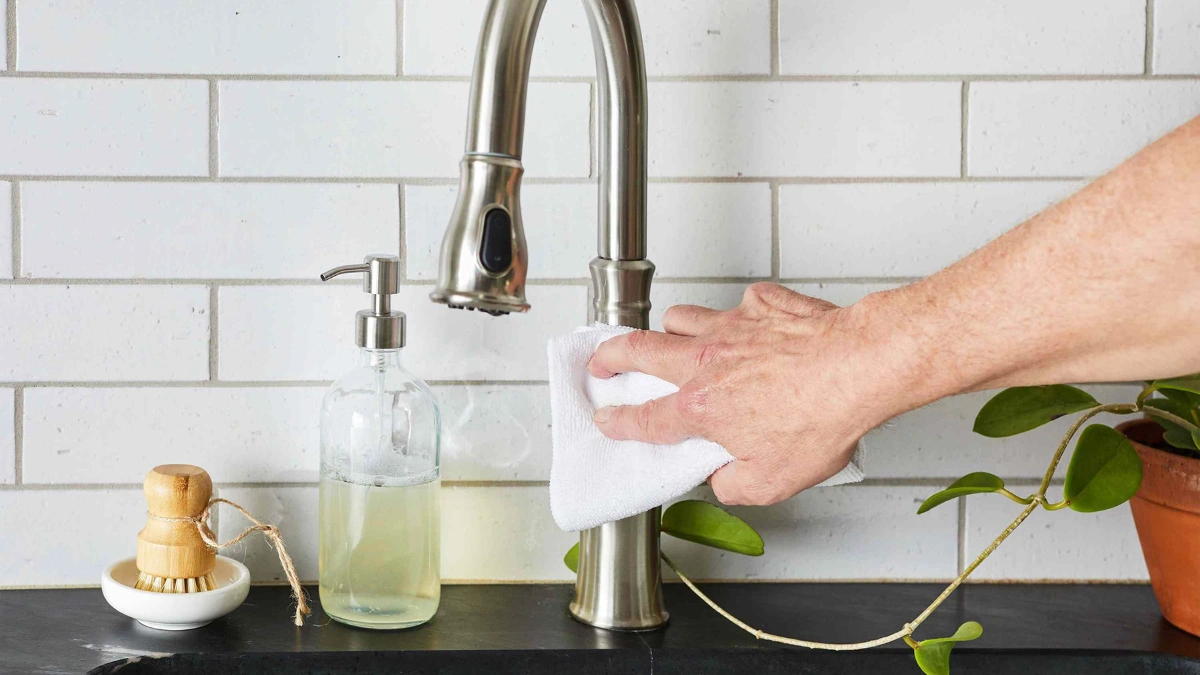
Let’s talk about the scourge of bathroom fixtures everywhere: hard water stains. You know the ones—that chalky, white, angry-looking crust that clings to your faucet like a barnacle on a shipwrecked sailor. I bet you’ve spent good money on magic sprays that promise to banish them instantly, only to end up scrubbing for an hour while your elbow screams for mercy. What if I told you the solution has been hiding in your kitchen this whole time, plotting its revenge?
I’m talking about vinegar and dish soap. Yes, the same vinegar you use on your fries and that blue dish soap you squirt on a greasy pan. Together, they form a crime-fighting duo that makes Batman and Robin look like amateurs. Hard water stains are just mineral deposits—mostly calcium carbonate—and vinegar is an acid that dissolves them like a villain melting in a superhero’s grip. But wait, there’s a catch: vinegar alone is a bit of a one-trick pony; it runs right off the glass. That’s where dish soap struts in, acting as a surfactant that breaks the water’s surface tension, letting the vinegar linger long enough to do some real damage.
Here’s a mind-blowing fact: the Eiffel Tower gets cleaned with something similar. Okay, maybe not the exact same Dawn and Heinz combo, but they use a gentle acid to remove grime from the iron. And your showerhead? It’s basically a mini Eiffel Tower in an ecosystem of soap scum. The best part? This two-ingredient wizardry costs less than a fancy coffee, and you probably already own both. It’s like finding out your couch cushions have a secret stash of cash—but way more satisfying.
Must Read
The Recipe That Doesn’t Belong in a Cookbook
Now, don’t go dumping straight vinegar on your tiles like a mad scientist. You need a balanced blend. Grab a spray bottle—or clean out an old Windex bottle if you’re feeling thrifty, but please rinse it first so you don’t end up with a minty vinegar disaster. Fill it halfway with white vinegar, then add one tablespoon of dish soap (I use blue Dawn, but any liquid will do). Top it off with warm water, shake gently—not like a bartender making a martini—and you’re ready for war.
Here’s the kicker: heat matters. Warm water activates the ingredients faster, like giving them a double espresso before a workout. If you’re tackling a glass shower door, microwave the mixture for 15 seconds first. Yes, I said microwave it—just don’t do it with the metal spray nozzle still on. That’s a rookie mistake that’ll turn your kitchen into a scene from a sci-fi movie. Trust me, my microwave survived, but my pride didn’t.
How to Apply It (Without Losing Your Mind)
Spray the mixture generously onto the stain. Don’t be shy—soak that crusty faucet like you’re watering a dehydrated fern. Let it sit for 10 to 15 minutes. This is the part where you walk away and pretend you’re a sophisticated chemist waiting for a reaction. Go scroll Instagram, call your mom, or contemplate why you own three identical spatulas. The vinegar is busy chemically breaking apart the calcium bonds, while the soap holds everything in place like a bouncer at a club.
When you come back, grab a scrub brush or an old toothbrush—preferably not the one you use on your teeth—and give it a gentle scrub. You’ll watch the white residue disintegrate like a vampire in sunlight. Rinse with water, and then wipe dry with a microfiber cloth to avoid water spots. If you’ve been battling a stain for years (you know the one), you might need a second treatment. Don’t panic—just repeat the process and imagine the minerals screaming in surrender.
 How to Remove Hard Water Stains From All Surfaces (Easy Guide)
Surprising Facts That Will Make You a Party Hero
Did you know hard water stains are essentially baby rocks? They’re the same mineral as limestone, just less ambitious. And dish soap’s secret ingredient? It’s a compound called sodium lauryl sulfate, which is also used in toothpaste to make your mouth feel clean. That means your glass shower door is getting a dental-level clean. Hilariously, the same mixture can clean your coffee pot—just run it through a cycle—so your morning brew tastes like victory, not calcium dust.
You don’t need to buy a fancy “hard water remover” from a glossy TV ad. Those often contain the same weak acids, but with a markup that pays for a yuppie’s yacht. Seriously, some store-bought cleaners are 90% water and 10% overpriced marketing. Meanwhile, your vinegar-soap combo is non-toxic enough to clean your baby’s toys (just rinse well) and tough enough to strip crust off a bathtub that looks like it’s from 1987.
The One Thing Nobody Tells You
Here’s the punchline: never mix vinegar with bleach. It creates chlorine gas, which is a one-way ticket to the ER or a very bad headache. The internet is filled with well-meaning advice that forgets to mention this. So, read ingredient labels, and if you’ve used bleach-based cleaners recently, rinse the area thoroughly with water before you unleash the vinegar squad. And please don’t drink the mixture—it’s not a cocktail, no matter how fancy it smells.
Your reward? A gleaming, streak-free surface that reflects your face so clearly you can finally see the zit you’ve been worrying about. It’s oddly satisfying, like popping bubble wrap or getting the last parking spot. You’ll also save money, avoid harsh chemicals, and feel a tiny spark of power every time someone compliments your clean bathroom. Just nod mysteriously and say, “It’s a vinegar thing.” They’ll think you’re either a genius or a retired chef. Either way, you win.
So go ahead—raid your pantry, shake that bottle, and watch hard water stains tremble. Your bathroom is about to get a makeover that costs less than a pizza, and your only tools are two things you already have. Now, if only I could figure out how to get that same magic to work on my laundry pile… but that’s a story for another day.
