Will Drinking Too Much Water Cause Diarrhea

Picture this: you’ve committed to that #WaterTok trend, chugging a gallon a day like a wellness warrior. Your skin is glowing, your energy is up, but suddenly—your stomach is...
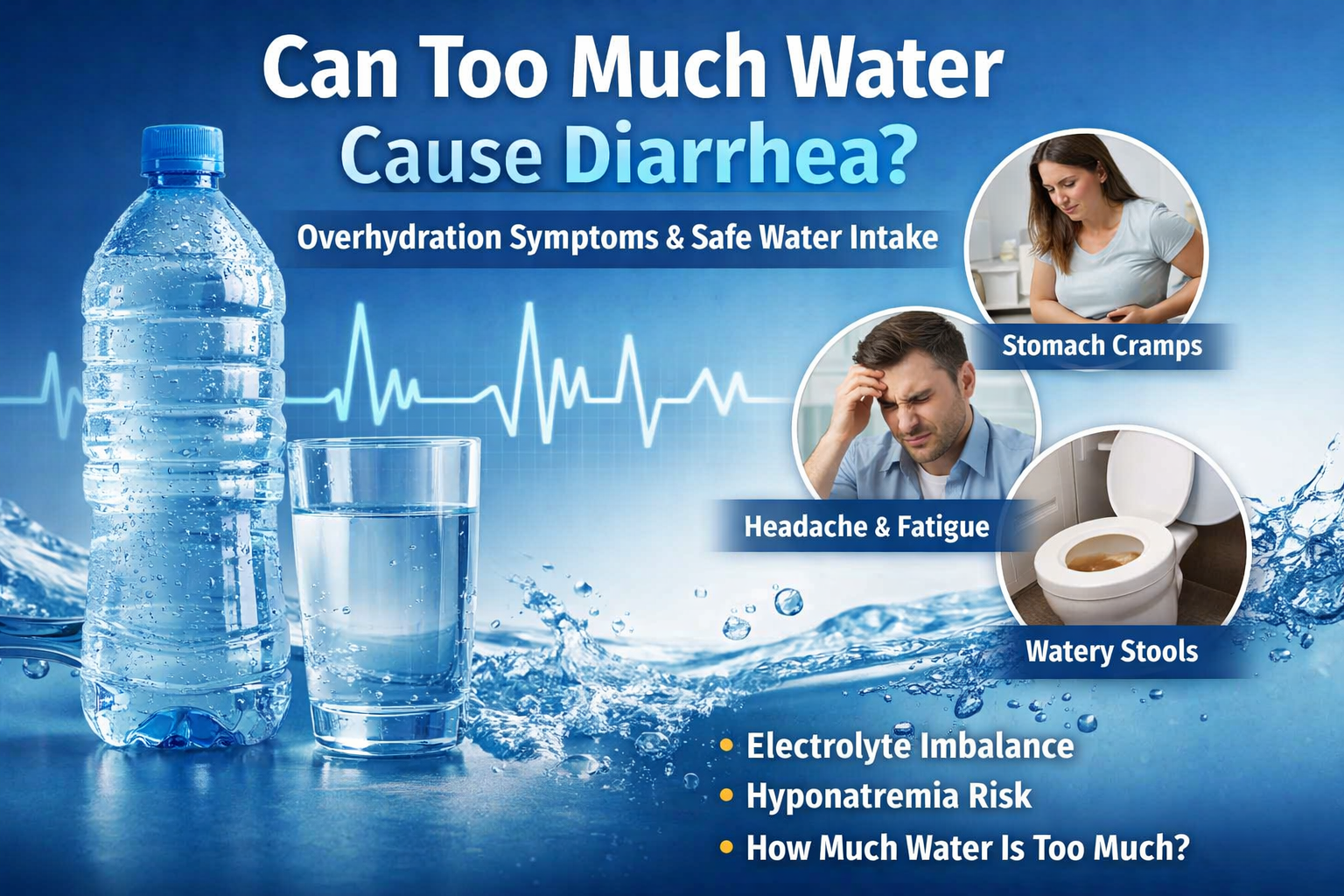
Picture this: you’ve committed to that #WaterTok trend, chugging a gallon a day like a wellness warrior. Your skin is glowing, your energy is up, but suddenly—your stomach is staging a protest. Can drinking too much water actually cause diarrhea? The short answer is yes, but it’s a little more nuanced than a simple yes or no.
Think of your digestive system as a finely tuned orchestra. When you flood it with too much water too quickly, you’re basically throwing a rock into the percussion section. The result? A rapid transit time that sends everything—including loose stools—straight for the exit.
The Science of the Splash and Dash
Your body is a master at absorbing water, but it has limits. According to gastroenterologists, drinking more than about one liter per hour can overwhelm your intestines’ ability to process it. That excess water doesn’t just sit there; it acts like a rinse cycle, flushing out partially digested food and electrolytes.
Must Read
This isn’t technically “diarrhea” in the infectious sense—it’s more like osmotic diarrhea. The water pulls into your bowel by simple physics, creating a watery mess that makes you sprint to the bathroom. Think of it as your body’s polite way of saying, “I’m full, thanks.”
Here’s a fun fact: your small intestine can only absorb about 800 to 1,000 milliliters of fluid per hour. That’s roughly four cups of coffee worth. Exceed that, and you’re essentially rerouting your hydration straight to the plumbing.
When Hydration Goes Wrong: The Overhydration Effect
We’ve all heard the advice to “drink when you’re thirsty,” but the wellness world loves extremes. Remember the 2014 New York Times story about the marathon runner who died from hyponatremia? That’s extreme, but your gut gives you a milder warning first: watery stools.
Overhydration isn’t just about diarrhea—it can also cause nausea, bloating, and headaches. But for most of us, the diarrhea is the first signal that you’ve crossed from “glowing” into “gurgling.” It’s your body’s version of a check engine light.
Here’s a cultural reference for you: think of the Roman vomitorium—except instead of purge for pleasure, your gut does it for protection. Your intestines are basically saying, “I didn’t sign up for this much H2O.”
The Hidden Culprits: What You’re Drinking Matters
Not all water is created equal. Chugging ice-cold water on an empty stomach can shock your system, speeding up motility even more. That’s why your morning glass of lemon water might feel like a race to the restroom.
Then there’s mineral water or electrolyte-enhanced water. Too much magnesium or sodium can act like a laxative, triggering loose stools faster than plain tap water. Check labels—if you see “potassium sorbate” or high levels of magnesium, proceed with caution.
And let’s not forget the temperature factor. A 2014 study in the Journal of Neurogastroenterology and Motility found that cold liquids can double gastric emptying time. Translation: your stomach kicks the water out faster, leading to that urgent, watery result.
Practical Tips to Hydrate Without the Havoc
First, slow down. Your grandmother was right: sip, don’t chug. A good rule of thumb is to drink no more than one cup every 15 minutes during exercise or heat exposure. That gives your gut time to absorb.
Second, spread your water intake evenly across the day. A smart hack is to use a 2-liter bottle and aim to finish it by 6 PM—not all at once in the afternoon. Your bladder and bowels will thank you.
Third, consider pairing water with a small snack. Fiber-rich foods like oatmeal or an apple slow down water absorption, preventing that sudden flush. It’s like adding a sponge to your intestinal highway.
Fourth, listen to your body’s cues. If you feel a rumbling or sloshing in your stomach after drinking, that’s a red flag. Your body is telling you to pause.
 Chest Inflammation: Causes, Symptoms & Treatment
Fun Facts to Keep You Sane
Did you know that the “8 glasses a day” rule is actually a myth? It originated from a 1945 U.S. Food and Nutrition Board recommendation that included water from food (like soup and fruit). So your daily hydration might already be covered by that watermelon or cucumber salad.
Also, the Guinness World Record for most water drunk without urinating? It doesn’t exist—because it’s dangerous. The record that does exist is for most water consumed in one minute: 1.5 liters, done by a contestant in 2013. Let’s just say he didn’t have a great afternoon.
Here’s a pop culture nod: remember when Liz Lemon on 30 Rock said, “I’m not drinking. I’m just living my best life”? Well, overhydration is the opposite—it’s living your wettest but least comfortable life.
The Social Side of Splashing
We live in an era where “drink more water” is practically a mantra. On TikTok, influencers show off their gallon jugs and hourly alarm reminders. But if you’re chasing that clear pee at the cost of loose stools, you’re missing the point.
Your body is not a machine that needs constant refueling. It’s a garden—too much water drowns the roots. So don’t compare your hydration schedule to the gym bro who sweats through two liters in an hour. They have different plumbing.
The best cultural takeaway? Borrow from the Japanese concept of “hara hachi bu”—eat until you’re 80% full. Apply it to drinking: hydrate until you’re 80% satisfied, not bloated.
When to Worry and When to Laugh
If you have one episode of loose stool after a water-fueled gym session, don’t panic. You probably just overdid the pre-workout hydration. But if it becomes persistent—or you notice severe thirst, confusion, or very dark urine—that’s a sign of electrolyte imbalance and needs a doctor.
Otherwise, relax. Your gut is a wise, rude comedian with great timing. It will tell you exactly when you’ve had enough. And if you end up laughing on the toilet while reading this? That’s just part of the human experience.
Remember: hydration is a dance, not a sprint. Hydrate smart, not hard. Your bathroom schedule will thank you.
A Short Reflection for Your Daily Life
Next time you’re sipping from that reusable bottle, pause for a moment. Ask yourself: am I drinking because I’m thirsty, or because a wellness guru told me to? Your body is the original guru—it knows when you need water, and when you need a break.
Drinking water should be a quiet act of care, not a competitive sport. So stop trying to win the hydration Olympics. Your digestive system doesn’t want a gold medal—it wants a gentle, steady stream. And a little bit of grace when you accidentally overshoot.
Stay hydrated. Stay human. And if you feel the rumble, just remember: even the ocean has limits.
