Whole House Water Filter Systems Comparison

You know that moment when you fill a glass from the tap, and it smells faintly of a public swimming pool? Or when you run the dishwasher and the glasses come out looking like...
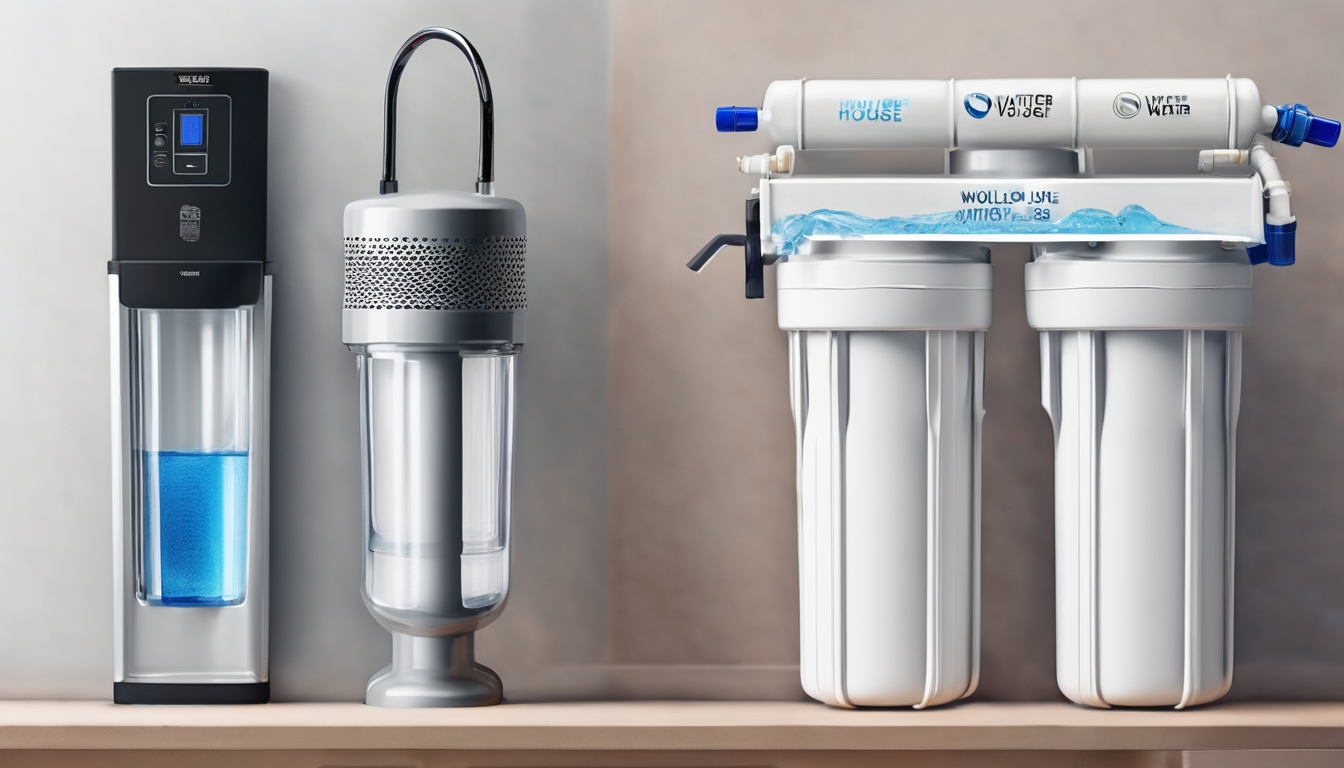
You know that moment when you fill a glass from the tap, and it smells faintly of a public swimming pool? Or when you run the dishwasher and the glasses come out looking like they’ve been dusted with snow? Welcome to the world of hard water and chlorine, my friend. That’s where the whole house water filter enters, not as a luxury, but as a quiet upgrade to your daily reality. It’s the difference between “drinkable” and “refreshing.”
The Big Picture: Why Your Entire Home Deserves the Filter
A whole house water filter system isn’t just about the water in your glass. It’s about the water hitting your shower, your washing machine, and that expensive espresso machine you bought during lockdown. Think of it as a security guard for your pipes, catching sediment, chlorine, and rust before they can wreak havoc. Without it, your water heater works harder, your skin gets drier, and your towels feel like sandpaper.
In fact, the average American home receives over 300 chemicals in its tap water supply. That’s a lot of uninvited guests floating around. A whole house system is like hiring a bouncer for your plumbing.
Must Read
The Contenders: Three Systems You Should Know
Let’s be real; comparing filters can feel like comparing coffee brewing methods—everyone has a strong opinion. But the main categories boil down to three: carbon filters, salt-based softeners, and reverse osmosis (RO) units. Each one has a specific superpower and a specific kryptonite.
Carbon filters are the reliable friends of the group. They excel at removing chlorine, taste, and odor using activated charcoal. Think of them as a French press for your whole house—simple, effective, and affordable. They don’t remove dissolved minerals, so your hair might still feel a bit stiff, but your water will taste like actual water.
Then we have the salt-based water softeners. These are the heavy lifters for folks living in “hard water” zones—places like the Midwest or the Southwest. They use an ion exchange process to swap calcium and magnesium for sodium ions. The result? Soap lathers like a dream, and your shower glass stays streak-free. Fun fact: Marilyn Monroe once praised soft water for her silky hair, though she probably didn’t talk about resin tanks.
Finally, reverse osmosis is the overachiever. It forces water through a semi-permeable membrane, removing everything from lead to fluoride to microplastics. It’s the system you see in fancy organic juice bars. The trade-off? It produces wastewater—about three gallons wasted for every one gallon filtered. So, while your water is pristine, your conscience might twinge a little.
Real Talk: What Actually Matters for You
Here’s the practical tip: know your enemy. Get a water test kit from your local hardware store. If your water has a strong “pool” smell, carbon is your hero. If your dishes have white spots, you need a softener. If you live in an older city with lead pipes, an RO system at the kitchen sink might be all you need—without filtering the entire house.
Installation is the hidden cost nobody discusses. A whole house system isn’t a weekend DIY for the faint of heart. It requires cutting into your main water line, adding drainage, and often mounting a hefty tank to the wall. Budget for a professional plumber unless you enjoy turning your basement into an indoor swimming pool. Expect to pay between $800 and $3,000 for the unit, plus installation.
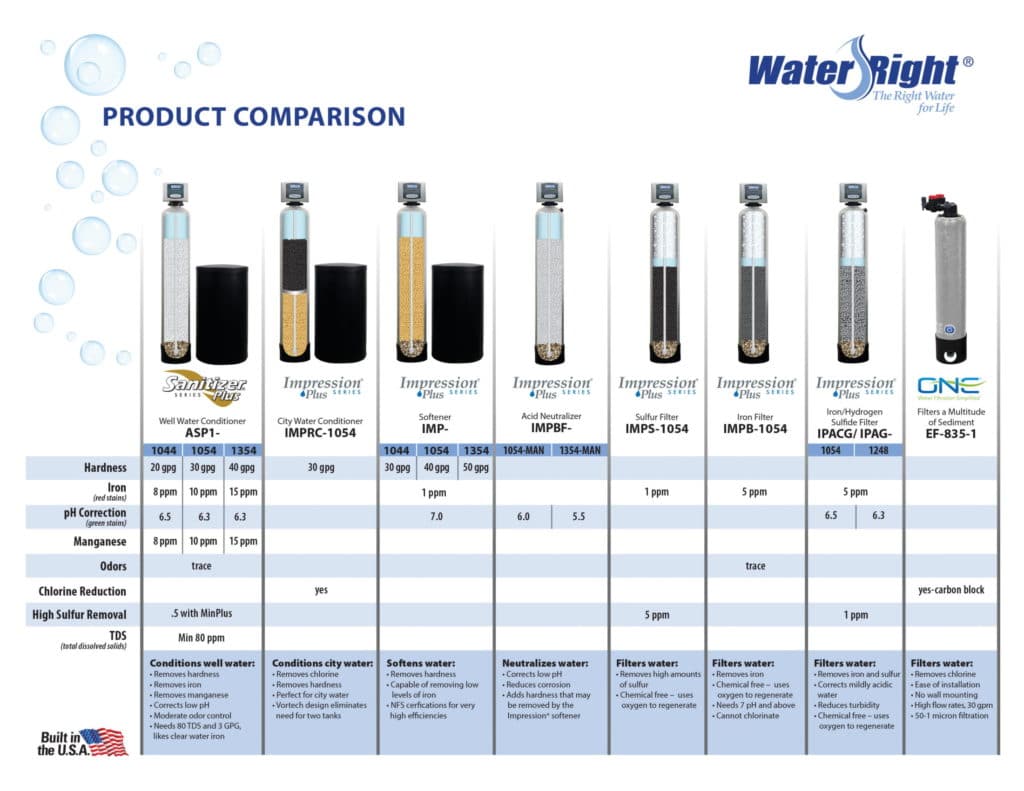 Water Filter Comparison Chart | Portal.posgradount.edu.pe
The Cultural Connection: Water as Status Symbol
Remember in Perfect Storm when the fishermen were paranoid about their water supply? Or the scene in Downton Abbey where they heated water in copper pots? We’ve come a long way. Today, having a whole house filter is a quiet signal of conscious living. It says, “I care about what touches my skin, not just what goes in my mouth.”
Even the tech crowd has adopted it. In Silicon Valley, selling a home without a filter system is like selling a smartphone without a screen protector. It’s not mandatory, but you’re definitely judged for it. The rise of “wellness water” has turned filtration into a lifestyle choice, much like buying organic kale or owning a yoga mat.
Practical Deep Dive: Maintenance Matters
Here’s where most people trip up. A filter is only as good as its last replacement. A carbon filter needs swapping every 6 to 12 months. A softener requires bagging salt every few weeks—yes, it’s a chore. An RO membrane lasts about 2-3 years, but the pre-filters need annual love. If you forget, you’re basically letting dirty water lurk in a fancy metal box.
A fun little fact: The first large-scale water filter was built in Scotland in 1804 for a textile mill. They used sand and gravel. Today, we use advanced polymers and activated carbon, but the principle remains the same—patience and layers. Your skin and your coffee maker will thank you.
The Final Pour: Connecting It to Your Morning
Picture this: it’s 6:30 AM. You shuffle to the kitchen, run the tap, and fill the kettle. With a whole house system, there’s no metallic tang, no chlorine whiff. The water is neutral, smooth, almost silent in its cleanliness. You make your coffee, and the flavor is deeper because nothing interferes with the beans. You shower afterward, and your skin doesn’t itch.
That’s the quiet magic. It’s not dramatic. There is no loud reveal or celebrity endorsement. It’s just the small, consistent improvement of your home’s baseline. In a world full of big solutions, sometimes the best one is the one that simply makes your tap water feel like a sip from a mountain spring—without the hike. Your daily life might just become a little more effortless. And that, my friend, is worth every penny.
