Are Water Softeners Safe For Septic Systems

Let’s get real for a second: your septic system is the unsung hero of your home. It’s quietly working underground, breaking down waste and keeping your backyard from becoming...

Let’s get real for a second: your septic system is the unsung hero of your home. It’s quietly working underground, breaking down waste and keeping your backyard from becoming a swampy mess. So when you think about installing a water softener, the big question bubbles up: Are water softeners safe for septic systems?
The Short, Happy Answer
The good news? The answer is a resounding yes—when done right. Modern water softeners and septic systems can be best friends, not enemies. They’re like a dynamic duo for your home’s plumbing and your laundry’s softness.
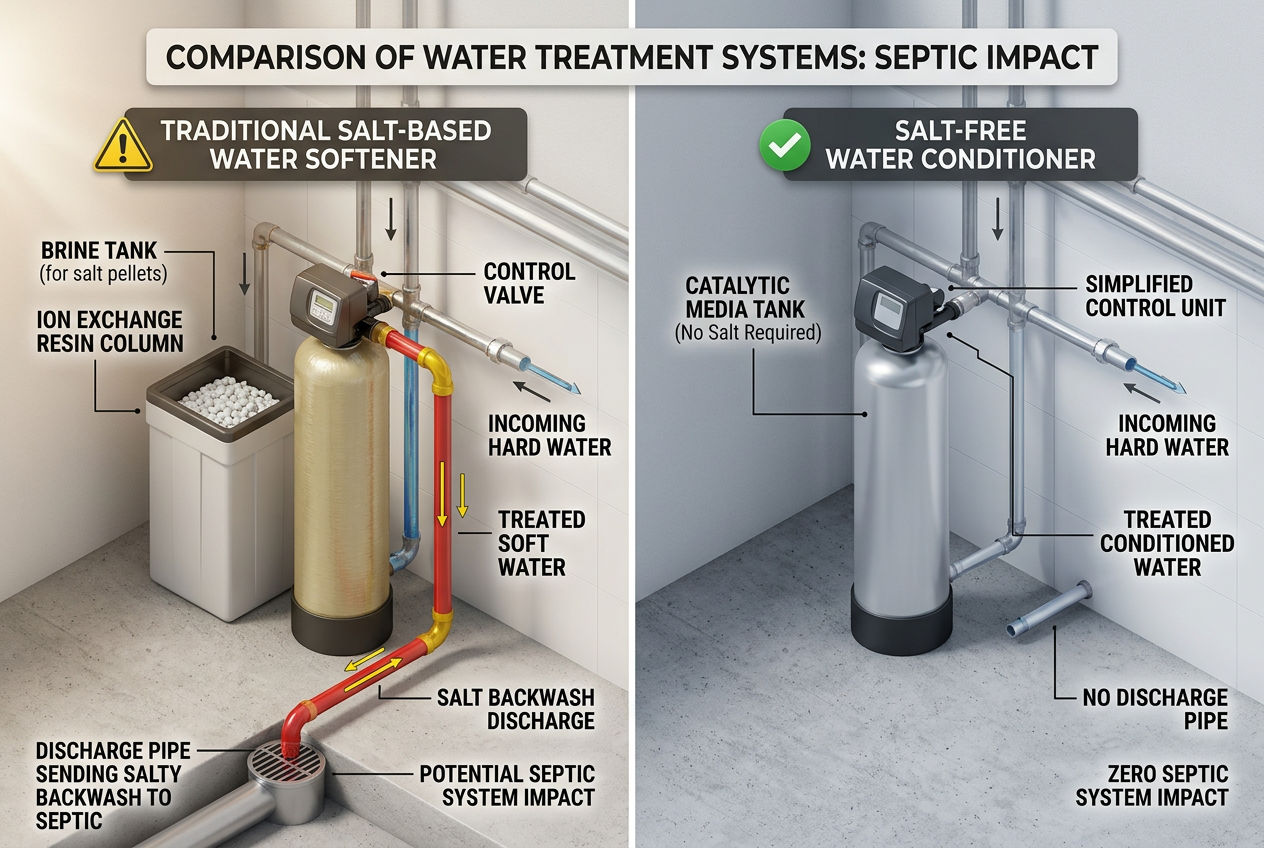
But let’s dig a little deeper, shall we? The worry usually centers on one thing: salt. Specifically, the brine discharge from the softener’s regeneration cycle. Does it harm the delicate bacterial balance in your septic tank?
Must Read
The Bacteria Fiesta
Your septic tank is a bustling party of good bacteria. They break down solids, and they’re tough little critters. Research—like that from the University of Minnesota and the Water Quality Association—shows that typical salt levels from a well-maintained softener don’t disrupt this microbial bash.
In fact, many studies found no significant impact on a septic system’s function. The salt concentration gets diluted by the regular flow of household water. So your bacteria stay happy, and your water stays silky smooth.
What About Water Volume?
Here’s where your system gets a little more fun. Softeners do add a bit of water to your septic tank during regeneration. But think of it like a gentle, extra rinse for your system—not a flood. A modern, demand-driven softener only regenerates when needed, using far less water than older models.
Pro tip: If your septic system is properly sized, this extra volume is a non-issue. It’s like giving your tank a tiny, helpful hydration boost. No bursting at the seams here!
The Real Danger (Spoiler: It’s Not Salt)
Let’s debunk a myth: The biggest threat to your septic system isn’t the softener. It’s harsh chemicals like bleach, paint thinners, and yes—those “magic” septic tank additives. They actually kill your beneficial bacteria far more than a softener ever could.
 Water Softener Septic System: Safe? (2026)
So if you’re worried, save your panic for the drain cleaner. A water softener, on the other hand, is practically a gentle guest at your septic party. It even helps reduce mineral buildup in pipes, which can prevent clogs and extend the life of your entire system.
How to Be a Savvy Homeowner
Want to make your softener and septic system get along like old friends? First, choose a high-efficiency softener. They use less salt and less water—win-win! Second, ensure your septic tank is pumped every 3-5 years. That keeps everything flowing smoothly, soft water included.
Also, consider a softener with a metered regeneration. It only cleans itself based on actual water use, not a timer. Your septic system will thank you with a quiet, happy gurgle.
The Uplifting Note
Here’s the inspiring truth: You don’t have to choose between silky hair and a healthy septic system. With a little awareness and a dash of modern technology, you can have both. Soft water makes your showers feel like a spa day, and a healthy septic system keeps your property thriving.
So go ahead, embrace that clean, soft water. Your skin, your laundry, and your plumbing are in for a real treat. The only thing you need to flush away? The worry—because the science backs you up. Now, go enjoy that bubble bath with a clear conscience!
