Fda Bottled Water Shelf Life Expiration Date

So, you’re standing in your pantry, staring at a bottle of water that’s been there since the last solar eclipse. You check the label. There’s a date. An expiration date on wat...

So, you’re standing in your pantry, staring at a bottle of water that’s been there since the last solar eclipse. You check the label. There’s a date. An expiration date on water. The audacity. It feels like the FDA is playing a cosmic joke on us, right? Water is literally the stuff of life—it’s been sitting in the ground for millions of years, and now it’s going to spoil in your cupboard?
The Great Bottled Water Conspiracy (It’s Not)
Here’s the surprising truth: the FDA does not require expiration dates on bottled water. I know, I know—mind blown. They only recommend them because of a loophole in a 1987 New Jersey law, and then everyone panicked. So why do you see a date stamped on your plastic pal? Marketing, my friend. Bottlers want you to feel like you’re buying fresh, spring-fed nectar, not prehistoric dinosaur sweat.
But don’t toss that bottle just yet. Scientifically speaking, water molecules are incredibly stable. They don’t rot, mold, or get lonely. The real villain here isn’t water—it’s the bottle. Plastic is a diva. Over time, it can leach chemicals into your H2O, especially if you leave it in a hot car or a sunny window. Your water might start tasting like a plastic pool toy.
Must Read
What Does the FDA Actually Say?
The FDA treats bottled water as a packaged food product. That means they have rules about how long a company can guarantee its peak quality—usually two years. After that, they’re not saying it’s poison, just that it might taste a bit… flat. Like a joke told twice. So that date is a quality date, not a safety date. You can drink a bottle from 2018 if you want to live dangerously (and taste regret).
Fun fact: the FDA has tested water from old bottles and found nothing dangerous—just bacteria that came from your own mouth after you sipped it. You’re the contaminant, you monster. In one study, researchers drank water stored for five years. They lived to tell the tale, though they described it as “disappointing, like a glass of nothing trying too hard.”
The Real Shelf Life Game
Here’s where it gets playful: the bottled water shelf life is indefinite if stored properly. Properly means away from heat, light, and your toddler’s sticky hands. Keep it cool and dark, and that water will outlive your gym membership. I’m talking theoretically, you could hand a bottle to your great-grandchildren and be like, “Here, this is from the Before Times.”
But—and this is a big butt—plastic bottles do degrade. Over a decade, the plastic can crack, making you drink tiny micro-shards of modern civilization. Sounds crunchy. Also, if the seal breaks, algae can grow. Imagine opening a bottle and finding a tiny green spa inside. Surprise! You’re now drinking a miniature ecosystem. The FDA would call that a “defect,” I call it living on the edge.
Why Do People Panic?
We’ve been brainwashed by expiration dates. We throw out perfectly good water because some numbers on a label told us to. It’s like dumping a friend because their birthday is old news. The FDA even says that expired water is safe to drink, provided the bottle isn’t damaged or puffy like a Thanksgiving parade float. If the bottle is swollen, run. That’s gas from bacteria—a microbial party you don’t want to attend.
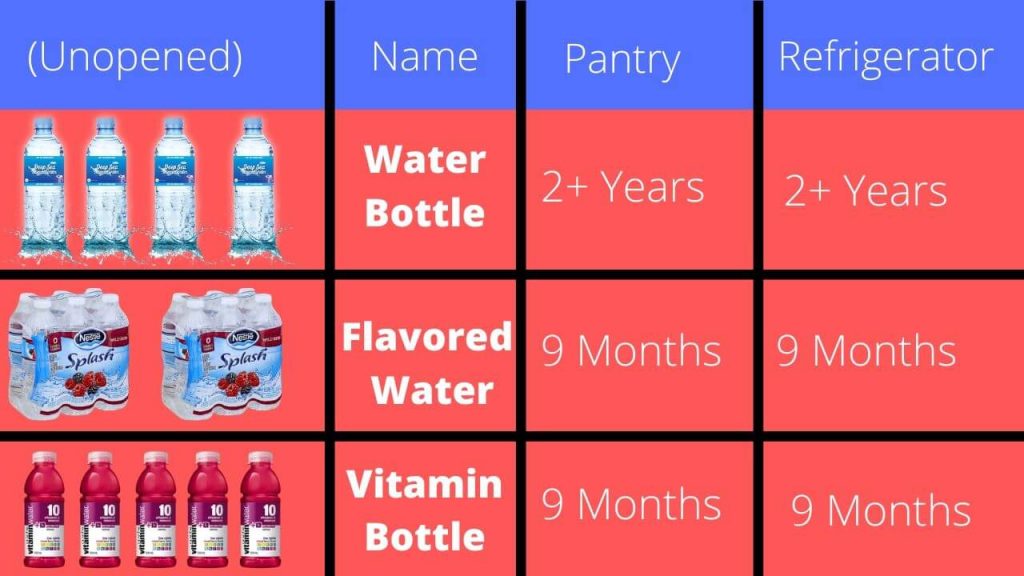 How Long Does Bottled Water Last - Decoding the Expiration Dates
Real talk: the biggest risk is that your fancy bottle of “glacial spring water” is tap water. Yes, up to 50% of bottled water comes from municipal taps, says the FDA. You paid $3 for tap water with a fancier cap. The irony is as thick as my uncle’s cologne. So that expiration date is more about the plastic’s mood than the water’s safety.
How to Be a Water Rebel
Want to push back? Ignore the date and use your senses. Does it look clear? Smell like a swimming pool? If not, chug it. You can store water in glass bottles for literally centuries. The ancient Romans stored water in amphorae, and I bet that stuff tastes like empire. Just don’t use metal cans—water reacts with metal over time and makes your teeth feel heavy.
If you’re still nervous, treat it like a wine tasting: swirl, sniff, sip. Or just mix it with coffee and forget you ever had doubts. The FDA has your back—they say bottled water has a “useful life” of two years, but that’s for optimal flavor. After that, it’s just “character.” Like an old jazz musician. Not pretty, but still works.
The Verdict for Your Pantry
So, is that bottle from 2019 safe? Yes, absolutely. But expect it to taste like you’re drinking from a plastic hose. Is it worth the existential dread? That’s up to you. The FDA’s main concern is that manufacturers don’t mislead you into thinking water stays perfect forever. Spoiler: it doesn’t, unless you’re a bottled water company who charges $40 for artisanal cloud juice.
In conclusion, bottled water expiration dates are a harmless marketing joke that we all go along with. The water itself is fine. The plastic is the drama queen. So go ahead, drink that forgotten bottle. You’ll either be fine, or you’ll unlock a new superpower. Either way, it’s free entertainment. And seriously, don’t leave your water in a hot car—that’s not the FDA’s fault, that’s just common sense. Now go hydrate like a hero.
