How Do You Get Rid Of Rust Stains On Clothes

So, I have this anecdote for you. Last summer, I was feeling particularly rustic, so I decided to spray-paint an old metal chair a cheerful shade of yellow. Of course, I was w...
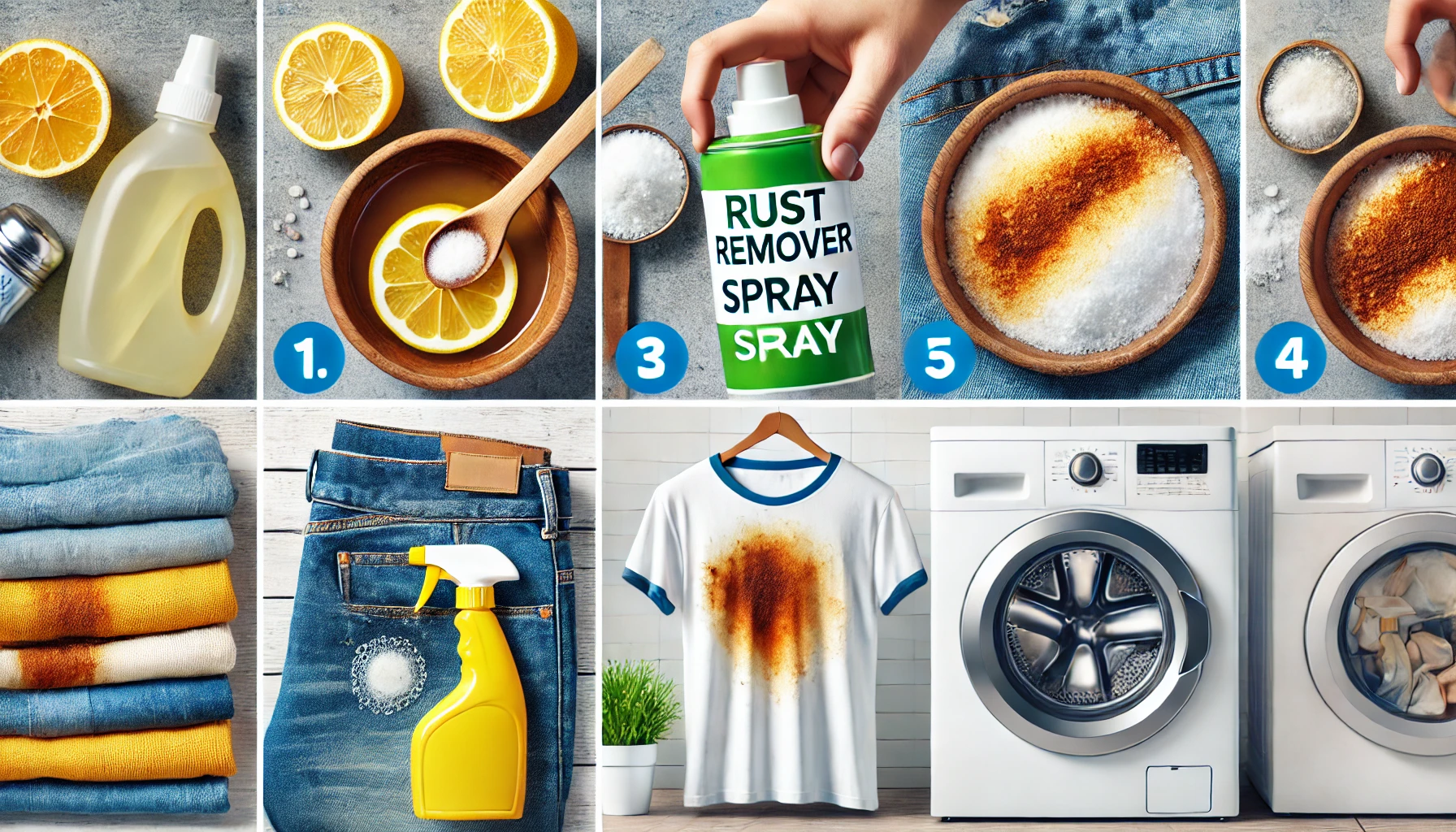
So, I have this anecdote for you. Last summer, I was feeling particularly rustic, so I decided to spray-paint an old metal chair a cheerful shade of yellow. Of course, I was wearing my absolute favorite white linen shirt—because that is always the shirt that gets sacrificed to the gods of DIY. I finished the project, patted myself on the back, and somehow walked away with an orange-brown constellation of rust flakes embedded in the fabric. My favorite shirt looked like it had been in a bar fight with a shipwreck.
You know that sinking feeling when you see the stain and realize, “Yeah, that’s not coming out with a normal wash”? I almost threw it right into the trash. But then I got curious, a little stubborn, and went down a rabbit hole of kitchen chemistry. And guess what? I saved the shirt. Let’s talk about how you can actually win this battle of the stains.
First, the Science-y Bit (Just a Tiny One)
Rust isn’t like a grass stain or a splash of coffee. It’s a chemical reaction where iron has bonded with oxygen, and that bond is super stubborn. Bleach, which is usually our hero for whites, actually makes rust worse. It accelerates the oxidation, so you’ll end up with a brighter, more permanent orange mess.
Must Read
So rule number one: Put the bleach down. I’m talking to you, person reading this with a bottle of Clorox already in hand. We need acids and reducing agents, not oxidizers. Think of it like using a crowbar to break a chemical lock, not a sledgehammer that mashes it deeper into the fabric.
The Secret Weapon: Lemon Juice and Salt
This is my go-to method because it’s so aggressively kitchen. Squeeze fresh lemon juice directly onto the rust stain until the fabric is soaked. Then, sprinkle a generous amount of table salt over the juice. Rub it in gently—don’t scrub too hard, or you’ll damage the fibers.
Now, lay the garment flat in direct sunlight. This part is crucial and feels a little like magic. The UV rays help the citric acid break down the iron oxide. Leave it for a few hours, checking every now and then. You’ll literally watch the orange fade into a ghost of itself. Rinse with cold water, and wash normally. Poof.
Another Kitchen Hero: White Vinegar
Don’t have lemons? No problem. White vinegar is your affordable, acidic friend. Soak the stained area in undiluted white vinegar for about 15 to 30 minutes. Don’t let it dry, though. After soaking, rinse it thoroughly and then rub a little liquid laundry detergent into the spot.
This method works best on cotton and denim. It’s not great for delicate fabrics like silk or wool, because vinegar can eat away at animal fibers. Think of it like this: vinegar is a bouncer that politely but firmly escorts the rust out, but it’s a little rough with the furniture.
The Heavy Lifter: Commercial Rust Remover
Sometimes, the stain is just too old or too deep. That’s when you need to bring in the big guns. Look for a product labeled specifically for “rust stain removal” – brands like Whink or Zout make good ones. These usually contain hydrofluoric acid or oxalic acid, which are very effective but also strong chemicals.
 What To Use To Remove Rust From Clothes at Gregory Ware blog
Follow the instructions to the letter. Wear gloves. Work in a well-ventilated area. I once ignored the “test on a hidden area” part, and my favorite jeans developed a lighter spot that looked like a weird birthmark. Learn from my mistakes, folks. Test first.
What About the Really Stubborn Ones?
If the stain has been through the dryer, it’s basically set in stone—or rather, set in rust. Heat fixes the stain permanently. Your best bet here is to apply a paste of baking soda and lemon juice, let it sit overnight, and then try a commercial remover. If that fails, accept the stain as a badge of honor.
I have a pair of work pants that now have a lovely, abstract rust pattern on the knee. I call them my “industrial art” pants. They’re not fashion; they’re history.
A Word on Fabric Types
Delicate fabrics like silk, acetate, or rayon are terrible at handling acids. If you spill rust on a silk blouse, honestly, the dry cleaner is your only friend. Trying to fix it at home with lemon juice is like trying to put out a grease fire with water. You’ll melt the thing. For synthetics like polyester, you have a better chance, but always test on the hem.
The golden rule: Know your fibers before you attack the stain. Cotton is a tough cookie. Linen is a resilient hippie. Silk is a diva who will scream.
Final, Slightly Ironic Tip
The easiest way to get rid of rust stains? Prevention. I know, I know—boring. But if you have metal buttons, zippers, or snaps on denim, check them before washing. A loose metal button can rust and transfer onto the whole batch of clothes like a tiny, angry stamp. I now take a magnet to my laundry pile. I’m that person.
So, next time you find a rust spot and feel that wave of annoyance, remember: you have a pantry full of weapons. And if all else fails, just turn the stain into a “vintage” pattern. The stain isn’t a flaw; it’s a souvenir from your life. Or, you know, from that time you tried to be crafty with a metal chair.
