How Long Can You Keep Salt Water In A Bottle

Last summer, I found a forgotten plastic bottle tucked behind my car seat. It was from a beach trip three months earlier—salt water I’d collected as a “science experiment.” Wh...
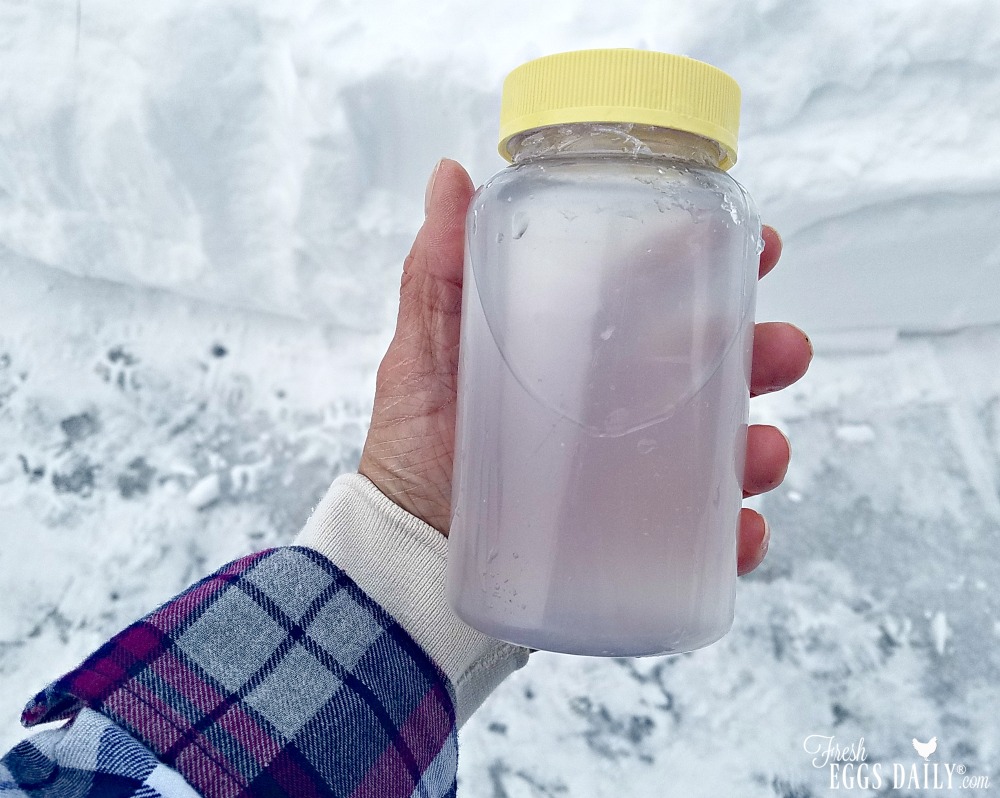
Last summer, I found a forgotten plastic bottle tucked behind my car seat. It was from a beach trip three months earlier—salt water I’d collected as a “science experiment.” When I cracked the lid, a faint smell of low tide hit me, but the water looked clear. No mold, no slime, no weird floaties. I stared at it, thinking: did I just discover a new survival hack, or was I about to poison myself? (Spoiler: I did not drink it. Please don’t try that at home.)
The Short Answer: It Depends on the Bottle
Salt water can last indefinitely in a sealed, sterile container—think of those fancy lab vials or a brand-new, air-tight plastic bottle. But in your typical reused soda bottle? That’s a different story. The real enemy isn’t the salt—it’s the germs you introduce when you scoop the water from the ocean.
You know how seawater is basically a microscopic soup of bacteria, algae, and tiny creatures? Well, when you trap that soup in a bottle, you’re giving it a cozy, dark room to party. Without light or fresh air, some microbes die, but others (like halophilic bacteria, which love salt) throw a rave. That’s why your water might look clear but smell funky after a week.
Must Read
What You’ll See (and Smell) Over Time
Week 1: Looks fine. Maybe a little cloudiness if you left it in the sun. You might see a tiny stringy thing floating—congrats, that’s a dead plankton. Week 2-4: The smell creeps in. It’s not rotten eggs (that’s hydrogen sulfide, from decomposing organic matter), but more like a wet dog that rolled in seaweed. Month 3+: The water may clear up again as all the organic stuff settles to the bottom. But that clear water on top? It’s essentially sterile because everything has died—or become dormant.
Here’s the weird part: if you used a glass bottle with a tight rubber stopper, salt water can last years. I’ve heard of collectors keeping ocean samples for a decade. But plastic? It’s porous. Over months, tiny amounts of air and bacteria can seep in, turning your science project into a stink bomb.
Can You Drink It? (Don’t.)
I know someone is wondering, “What if I’m stranded on an island?” Spoiler: don’t drink ocean water at all. But even if you boiled it, salt water stored in a bottle can pick up pathogens from your hands, the bottle rim, or the air when you opened it. Drinking it straight? That’s a one-way trip to dehydration and vomiting—or worse, a bacterial infection.
Even “clean” seawater has Vibrio bacteria, which can cause nasty food poisoning. So if that bottle’s been sitting for a month, treat it like a science specimen, not a beverage.
 Will Salt Water Keep Water from Freezing? - Fresh Eggs Daily® | Lisa Steele
What About For Emergency Kits or Science Projects?
For emergency kits, don’t stash salt water. Store fresh water, and replace it every 6 months. For science? You can keep salt water in a bottle for a long, long time if you add a few drops of bleach (like 2 drops per liter) or a bit of iodine to kill everything first. Or just freeze it—ice locks everything in place, and it lasts forever. (Though thaw it slowly, or your bottle might crack. Ask me how I know.)
If you want the water to stay crystal clear and smell like nothing, use a sterile container—like a mason jar boiled for 10 minutes—and fill it from the cleanest part of the ocean, far from shore. Then seal it with a new, unused lid. I did that once, and three years later it still looked like bottled spring water. No smell, no funk. But I still wouldn’t drink it.
The Takeaway: Keep It or Toss It?
If you found a mystery bottle of salt water behind your couch—toss it. It’s not worth the side-eye from your garbage can. If you deliberately collected it for a project, write the date on the bottle and decide: you’ve got about 6 months before it starts smelling, and about 2 years before it becomes a biohazard curiosity. After that, it’s just weird decor.
Oh, and one more thing: never store salt water in a metal bottle. The salt will corrode it, turning your water into a rusty, metallic mess. (Yes, I learned that the hard way. My water bottle looked like a prop from a horror movie.) So stick with glass or food-grade plastic, and please label it. Your future self—and your house guests—will thank you.
Now go check that bottle you forgot in your backpack. I’ll wait. 🐚
