Can You Use Bottled Water For Infant Formula

Ever found yourself staring at the baby formula tin, then at a bottle of fancy spring water, and wondered, “Wait, can I just use this?” It’s a totally valid question—and a sur...
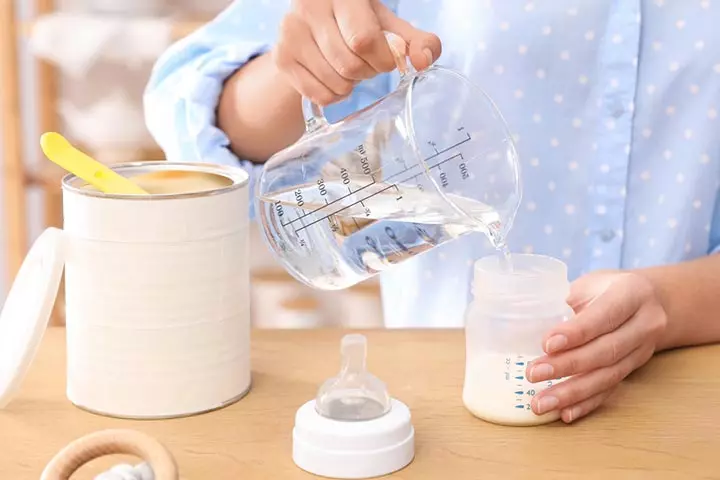
Ever found yourself staring at the baby formula tin, then at a bottle of fancy spring water, and wondered, “Wait, can I just use this?” It’s a totally valid question—and a surprisingly common one. After all, we’re told to be careful about tap water, but bottled water seems so pure and simple, right? Well, grab a cup of tea (or a bottle of water) and let’s dive into the cool, bubbly details.
The Short Answer: Yes, But There’s a Catch
Technically, yes, you can use bottled water to mix infant formula. But—and this is a big but—it’s not as straightforward as just pouring it straight from the bottle. Safety is the name of the game here, and that means we need to look at what’s actually in that bottle of water.
Think of bottled water like a box of chocolates—you never quite know what you’re going to get. Some are just fancy tap water, while others have added minerals for taste. Those minerals? They can be a problem for tiny kidneys.
Must Read
The Sodium Surprise
Here’s the wild part: many bottled waters, especially sparkling or mineral ones, contain sodium and other minerals. That’s great for adult palates, but for a newborn? Not so much. Too much sodium can be hard on a baby’s developing system.
So what’s the move? You need to check the label for something called “low sodium” or “purified” water. If it says “spring water” with a mineral content list, it might not be the best pick. Your baby doesn’t need a fancy spa day—just clean, simple hydration.
The Boiling Bacteria Rule
Here’s where things get interesting—and a little messy. Most experts, including the CDC and the WHO, say you should boil any water used for formula, including bottled water, until the baby is at least three months old. Why? Because even “clean” bottled water can contain bacteria that a baby’s immune system isn’t ready for.
Imagine handing a baby a microphone at a rock concert—they’re not equipped for that noise. Same thing with bacteria in water. Boiling kills the microscopic party crashers. So, even if you buy the fanciest Icelandic glacial water, boil it first for safety.
After three months, many parents switch to unboiled tap water (if it’s safe) or unboiled bottled water marked “distilled” or “purified.” But check with your pediatrician because local water quality varies.
The Fluoride Factor
This is the cool twist: tap water has fluoride, which helps prevent cavities. Bottled water often does not. That might sound good, but babies need a tiny bit of fluoride for tooth development. Using only bottled water long-term could actually increase their risk of tooth decay later.
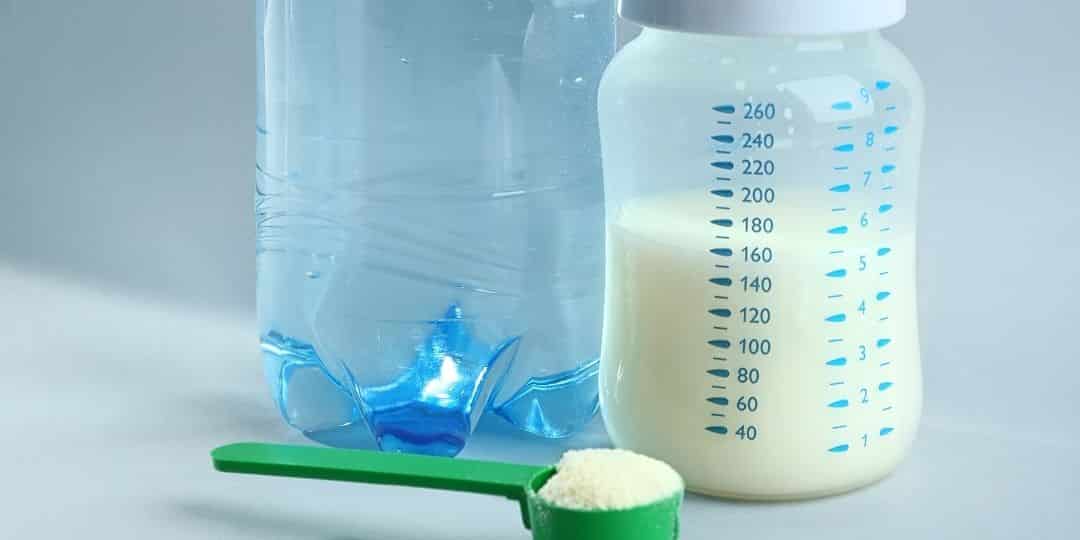 Bottled Water For Baby Formula at Danny Oneal blog
It’s a trade-off, like choosing a smoothie over a soda—both quench thirst, but one has hidden benefits. If you stick with bottled water, you might need to chat with your dentist about fluoride supplements when the baby gets teeth.
Practical Tips: The Chill Approach
So, if you’re nodding along and thinking, “Alright, I’ll just boil some bottled water,” here’s your easy plan. Grab a bottle that says “purified,” “distilled,” or “low sodium”—nothing fancy. Boil it for one minute (let it cool), then mix with formula powder.
Or, even simpler: use tap water if it’s safe in your area. Run it cold for 15 seconds to flush any lead from pipes, then boil it. That’s usually cheaper and just as safe. Bottled water is more of a backup buddy than a star player.
Why This Matters (And Why It’s Cool)
What’s interesting here isn’t just the safety rules—it’s how our modern life makes us question something as basic as water. We have options, but options need a little detective work. The good news? You don’t need to be a scientist to figure this out.
Just remember: boil it, cool it, mix it. And if you’re on the road and stuck with a bottle of spring water, don’t panic—boil it when you can, or use it temporarily. Babies are resilient, not fragile glass vases.
In the end, the coolest part is that you’re asking the question at all. That curious care? That’s the secret ingredient for raising a healthy little human. Cheers to you—and to clean, safe water, however it comes.
