How Many Cups Of Water We Should Drink A Day

Let’s be real for a second: hydration feels like one of those adulting rules we’re supposed to have nailed, yet we’re still fuzzy on the details. You’ve heard the gospel of ei...
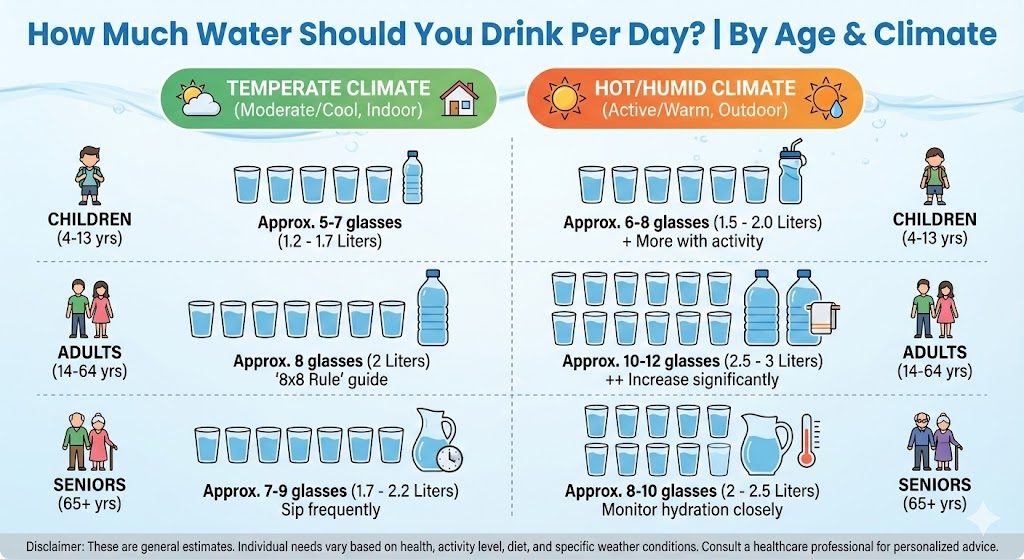
Let’s be real for a second: hydration feels like one of those adulting rules we’re supposed to have nailed, yet we’re still fuzzy on the details. You’ve heard the gospel of eight glasses a day, but is that actually science or just a really persistent rumor? Spoiler alert—it’s a bit of both, and your body has way more to say about it than a universal number.
The Myth of the Magic Number 8
That whole “eight cups” thing? It likely started from a 1945 guideline that said we need about 2.5 liters of water daily. Here’s the kicker: that included water from food, coffee, even that juicy apple you ate. The modern take is simpler and smarter.
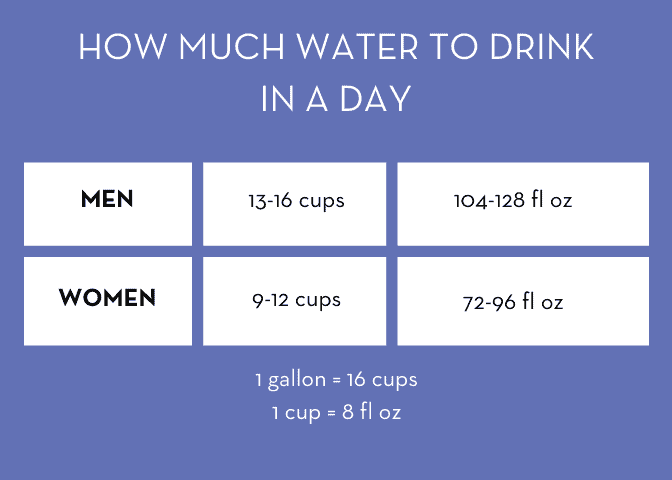
The National Academies of Sciences, Engineering, and Medicine suggests about 3.7 liters (15.5 cups) for men and 2.7 liters (11.5 cups) for women daily. But relax—that’s your total fluid intake, not just chugging from a bottle. Tea, soup, and even that morning latte all count toward your hydration score.
Must Read
Think of it like a hydration budget, not a chore chart. You’re not failing if you don’t hit an arbitrary number; you’re just balancing your accounts throughout the day.
Listen to Your Thirst (and Your Pee)
Your body is actually a pretty decent hydration coach. Thirst is your first, most reliable signal—so when you feel that dry mouth, you’re already a little behind. Don’t wait for a desert-level drought; sip proactively.
Here’s a pro tip from sports medicine: check the color of your urine. Pale yellow like lemonade? You’re golden. Dark like iced tea? Time to hydrate. It’s the most honest feedback loop you’ll get all day, and it costs nothing.
Fun fact: the color chart method is used by actual astronauts and elite athletes. So next time you glance down, you’re basically doing rocket-scientist-level self-care.
When Your Body Needs More (Or Less)
Not every day is the same. If you crushed a hot yoga class, you need more. If you spent the day in an air-conditioned office, you need less. Listen to your activity, not just a timer. Consider your environment: dry climates, high altitudes, and even airplane cabins suck moisture right out of you.
Pregnancy and breastfeeding bump your needs way up—think an extra 3 to 4 cups daily. Illness too: fever, vomiting, or diarrhea demands immediate hydration, often with electrolytes. On the flip side, if you have kidney or heart issues, check with your doctor before overdoing it.
A cultural nod: in Japan, it’s common to drink warm water upon waking, known as “sayu”. It’s a gentle wake-up call for your digestive system. You don’t need to go full Zen, but starting your day with a glass of water is a solid, low-effort win.
 A Cups Of Water
Practical Tips That Actually Stick
Forget the bulky gallon jug—that’s a gym influencer flex. Instead, grab a reusable bottle you actually like (ceramic, stainless, or that cute glass one) and keep it on your desk. Visual cues work: every time you look at it, take one sip.
Try the “habit stacking” method: drink a glass after every bathroom break, or right before you pick up your phone. You’ll naturally build rhythm without thinking. Another hack: add a splash of lemon, cucumber, or a few berries to your water. It’s not just fancy—it makes you want to drink more.
Fun fact: your brain is about 73% water. Even mild dehydration—as little as 1-2% loss—can mess with your mood, focus, and memory. So that afternoon brain fog? It might not be a lack of coffee, but a lack of H2O.
The Cultural Sip: How the World Hydrates
In South Korea, water is often served with meals in copper cups, believed to have antimicrobial properties. In France, it’s common to drink “eau plate” (still water) and “eau gazeuse” (sparkling) without a second thought. Italians rarely sip during meals, believing it dilutes digestion—though modern science says that’s a myth.
What about the Brits? They’ll tell you tea counts, and they’re not wrong. A cup of black tea is about 95% water. Just go easy on the sugar and milk. Even coffee, long accused of being dehydrating, has a net positive hydrating effect in moderate amounts. So yes, your morning brew keeps you afloat.
The real takeaway? Hydration is personal. Your body, your lifestyle, your climate all write the rules. The global consensus is simple: pay attention, sip steadily, and don’t overthink it.
Short Reflection: A Glass for Your Day
In the rush of emails, errands, and endless scrolling, a glass of water is a tiny pause. It’s a reset button you can press anytime, no subscription required. You don’t need a perfect count or a fancy app—just the kindness of checking in with yourself.
So here’s an easygoing rule: drink when you’re thirsty, sip when you remember, and don’t guilt-trip yourself over a dry spell. Hydration isn’t a test you pass or fail—it’s a gentle rhythm you find. And honestly, that’s the most refreshing thing of all.
