National Sanitation Foundation Water Filters

Let’s talk about water. Not just any water—the stuff coming out of your tap. It’s a wild mystery party in a glass. And the National Sanitation Foundation (NSF) is the bouncer...
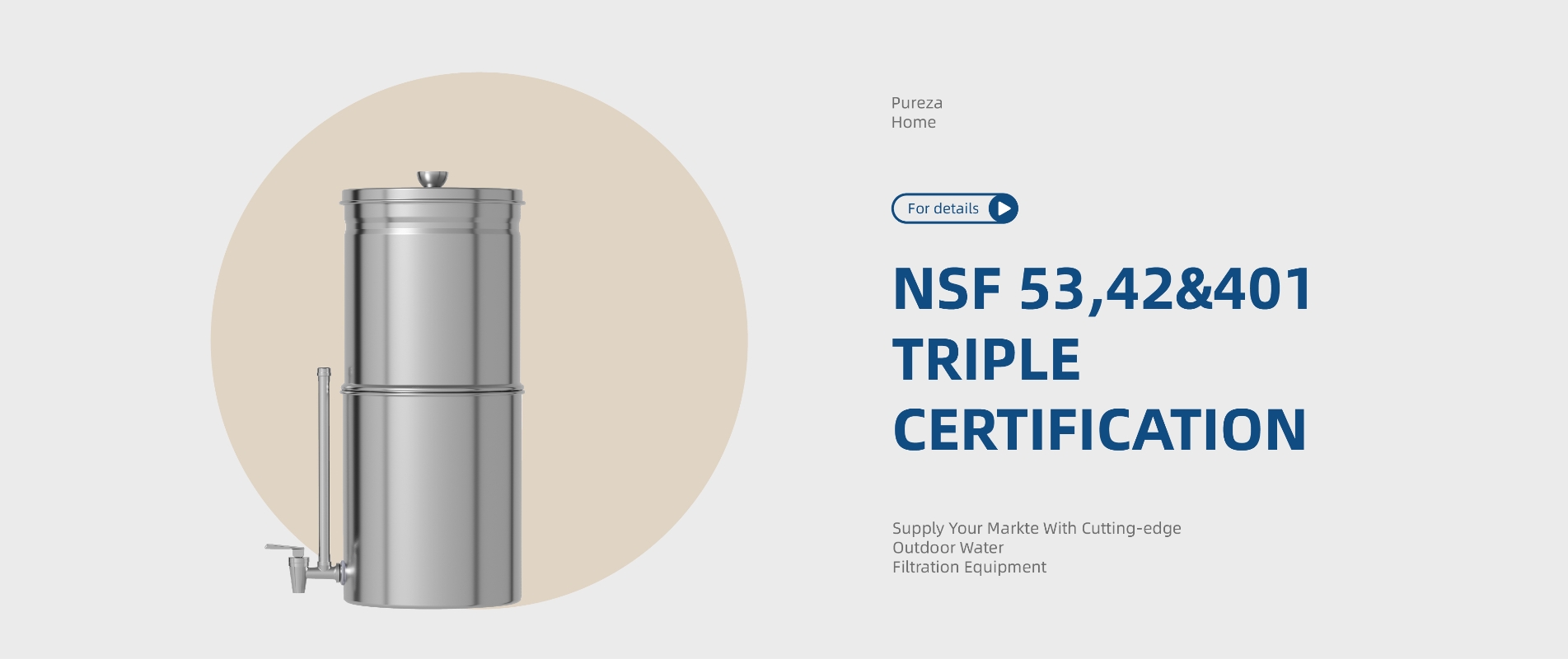
Let’s talk about water. Not just any water—the stuff coming out of your tap. It’s a wild mystery party in a glass. And the National Sanitation Foundation (NSF) is the bouncer at the door.
What is NSF, anyway?
It’s not a secret society. But it kind of acts like one. NSF stands for the National Sanitation Foundation, a global organization that tests and certifies water filters.
Imagine a super-strict teacher who grades everything on a curve—except the curve is “safe.” They don’t just trust what a company says. They test it.
Must Read
They check for lead, chlorine, pesticides, and even weird stuff like microplastics. Your water filter might claim to remove evil. But NSF wants proof.
Why should you care? (Besides not drinking dirt)
Because your tap water isn’t boring. It’s a cocktail of minerals, chemicals, and mystery flavors. Some of those flavors? Uninvited guests.
NSF-certified filters are like a party planner who kicks out the troublemakers. They leave the good stuff—like healthy minerals—to keep your glass happy.
Fun fact: NSF started way back in 1944. That’s older than the microwave oven. And they’ve been testing stuff ever since, from water filters to yoga mats. Yes, yoga mats.
Quirky facts that will make you the star of dinner parties
First: NSF does not just test water. They test everything. Toilets, blenders, and even those fancy water bottles with purifiers. They’re like the FBI of household safety.
Second: If your filter has an NSF mark, it means a real human broke it, soaked it, and scared it with bacteria. Then they checked if it still worked. That’s dedication.
Third: Some filters remove 99.99% of viruses. That’s not a typo. That’s four nines of tiny, sneeze-sized threats. Imagine catching a cold from your faucet. Yikes.
How to spot a certified hero on your filter
Look for a tiny logo. It might say “NSF” or “NSF International.” If you don’t see it, your filter is just a fancy decoration.
But wait—there’s a catch. Not all NSF certifications are the same. Some test for aesthetics (taste and smell). Others test for health (poisons and germs).
Check the number: NSF/ANSI 42 is for taste. NSF/ANSI 53 is for health. NSF/ANSI 401 is for emerging contaminants like pharmaceuticals. Yes, your tap water might have leftover Tylenol.
The fun part: water filters are secretly dramatic
Think of your filter as a tiny, unpaid superhero. It sits under your sink, fighting thousands of battles daily. Lead particles? Blocked. Chlorine? Absorbed. Dirt? Turned into a science project.
And here’s a punchline: NSF tests filters to the breaking point. They pump water through at triple speed. They heat it. They freeze it. They even let it sit for days to see if mold grows. It’s like water filter boot camp.
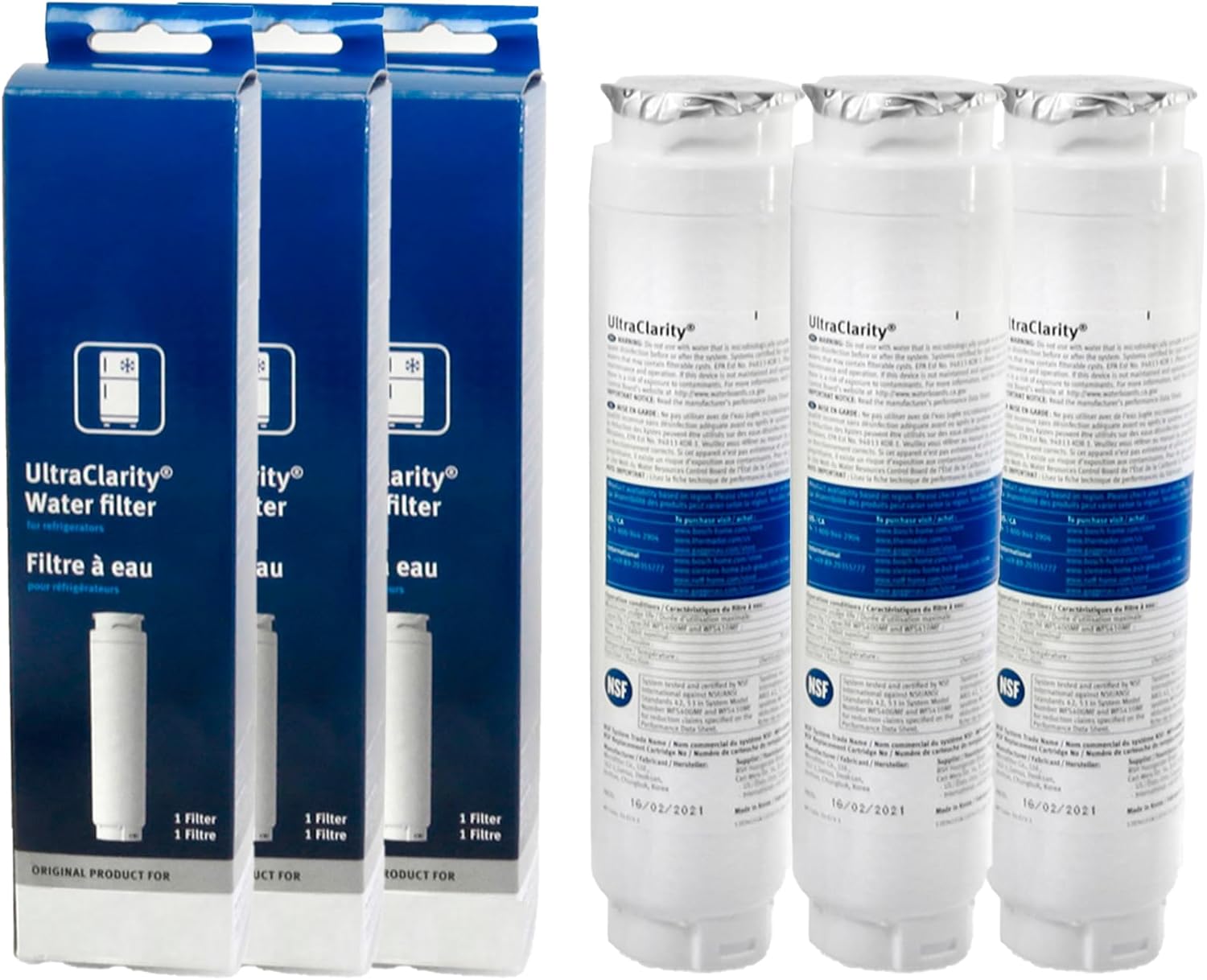 Amazon.com: US-Based Supplier – UltraClarity 11034152 BORPLFTR10
If your filter survives that, it’s a champ. If it fails, NSF posts the results online. Public shaming via test tubes. Ouch.
But why is this fun? Because you’re a detective now
Next time you pour a glass, think: “Did this filter get NSF’s seal of approval?” You’ll feel like a spy. A hydrated, healthy spy.
You can even search the NSF database online. Type in your filter’s model number. See if it’s legit. It’s like checking an online date’s background, but for your faucet.
And if it isn’t certified? Don’t panic. It might still work. But you’re basically trusting a stranger with your hydration. Your call.
The weirdest thing NSF has tested
Ready? They once tested a water filter that claimed to remove “toxins” using crystals. Spoiler: it didn’t. The crystals looked pretty. The water? Still got stuff in it.
Another time, they tested a filter shaped like a miniature rocket ship. It failed the bacteria test. Rockets are for space, not for germs.
And get this: there’s an NSF standard for filtering out “cyanotoxins”—poisons from algae blooms. That’s like a water filter fighting a horror movie villain. Algae apocalypse, stopped at the tap.
How to pick the right filter (without crying in the store aisle)
First, know what’s in your water. Check your city’s water report online. It’s free, and it’s usually boring but fascinating. “Our water contains trace amounts of radish.” Wait, no—it’s radium. Still, good to know.
Second, match your filter to the problem. Got lead? Look for NSF 53. Hate the taste? NSF 42. Worried about microplastics? NSF 401.
Third, don’t buy the cheapest filter unless it’s certified. Cheap filters are like cheap one-night stands—fun for a minute, then you regret it. Your wallet will survive. Your taste buds? Maybe not.
Final sip of truth
The NSF isn’t a company you buy from. It’s a trust stamp. It’s the quiet friend who tells you, “Hey, that filter actually works. Drink up.”
So next time you see that NSF logo, give it a nod. It’s been through hell and chlorine to protect your glass. And isn’t that the coolest, most boring hero story ever?
Now go hydrate. Your filter is waiting. It’s NSF-approved. And so is your next sip.
