Is Distilled Water High Or Low Concentration

Let’s be honest—science words like “high concentration” can make your eyes glaze over faster than a donut at a morning meeting. But stick with me, because this is about someth...
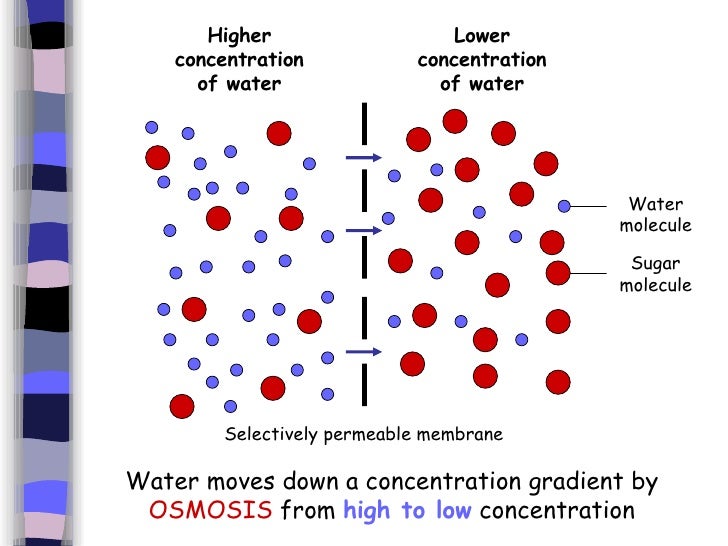
Let’s be honest—science words like “high concentration” can make your eyes glaze over faster than a donut at a morning meeting. But stick with me, because this is about something you might actually have in your kitchen: distilled water. Is it high or low concentration? Spoiler alert: it’s very, very low—like, almost empty.
Think of it like a party for molecules
Imagine a swimming pool full of nothing but pure H₂O molecules, chilling without any gate-crashers. That’s distilled water—it’s been boiled into steam and then condensed back, leaving behind all the minerals, salts, and impurities. So, in terms of “stuff” dissolved in it, the concentration is super low, almost zero.
It’s like the polite friend who shows up to a potluck with only air in their Tupperware. No salt, no calcium, no weird tap-water flavors—just pure, lonely water.
Must Read
Why should you care about this watery wallflower?
Here’s where it gets real: you probably use distilled water without even thinking about it. That steam iron in your closet? It begs for distilled water because low concentration means no mineral buildup that clogs the holes. Your car battery? Same deal—impurities can mess with its mojo.
And if you’ve ever had a humidifier leave white dust on your nightstand, that’s high concentration tap water leaving its mess behind. Distilled water is the neat freak of the water world.
But wait—can you drink it?
Ah, the big question. Yes, you can drink distilled water, but it tastes a bit flat, like someone stole the flavor. That’s because low concentration means no minerals to give it that zip your tongue expects. Some folks call it “dead water,” which sounds dramatic, but it’s not harmful in small amounts.
Here’s the real kicker: your body actually needs those minerals (like calcium and magnesium) from water. So while distilled water won’t hurt you, relying on it every day might leave you slightly shortchanged on the nutrient front. Think of it like eating plain oatmeal—fine once in a while, but not a lifelong plan.
A little story to make it stick
My neighbor, Dave, once tried to water his prize-winning orchid with distilled water. He thought, “Pure is perfect!” But the orchid got sad and droopy. Turns out, orchids crave those trace minerals. The low concentration of distilled water starved the poor plant. Dave learned the hard way: high concentration isn’t always bad—it depends on what you’re feeding.
So, concentration is just about how much stuff is floating around. Distilled water is the minimalist’s choice: nearly nothing inside.
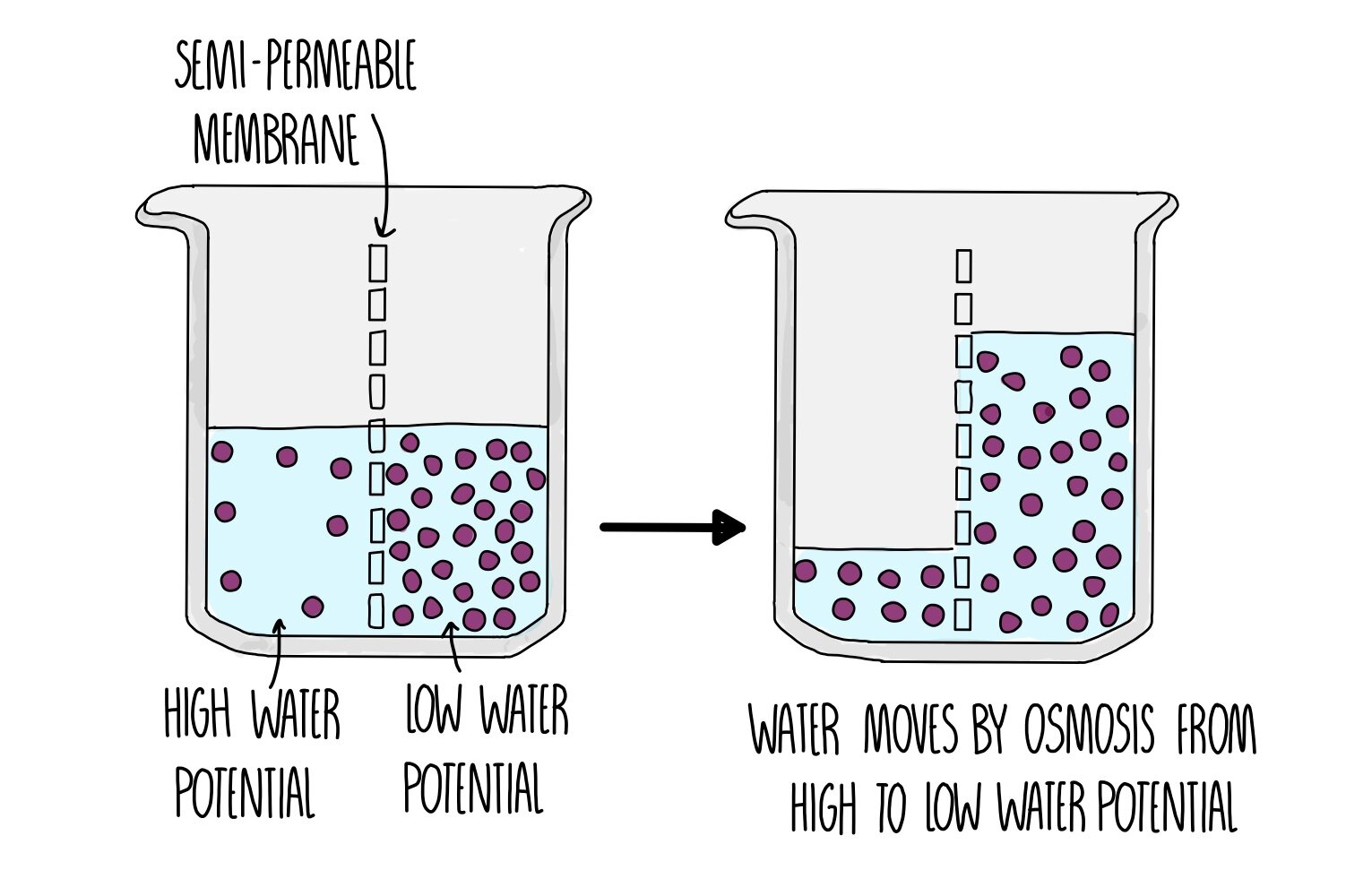 How Does Distilled Water Affect Osmosis at Gladys Roy blog
Compare it to your morning coffee
Picture your regular tap water as a medium-roast coffee: a few minerals, some chlorine, maybe a tiny bit of fluoride. That’s a moderate concentration of “stuff.” Now, distilled water is like a cup of hot water with zero coffee grounds—no color, no taste, low concentration of anything but water.
On the flip side, seawater is the espresso shot of concentration—so much salt and minerals it’ll make your tongue pucker. Distilled water is the opposite end: boring, clean, and reliable.
Why this matters in your everyday life
Here’s the practical takeaway: when you use distilled water in your appliances, you’re avoiding high concentration problems like scale, rust, or cloudy glass. Your coffee maker will thank you with a longer life. Your fish tank? Some fish love it, but guppies might get grumpy because they miss those trace minerals. It’s all about knowing when low is best.
Doctors sometimes recommend distilled water for people with kidney issues because low concentration means less work for the filtering organs. But for most of us, tap water is totally fine and has that nice mineral zip.
The funny truth about “empty” water
If concentration were a high score, distilled water would be the kid who skipped the game entirely. It’s not winning or losing—it’s just absent. That’s why you’ll see it sold in jugs at the grocery store, labeled “purified” or “distilled,” right next to the fancy spring water with its high concentration of minerals that cost extra.
So, next time someone asks, “Is distilled water high or low concentration?” you can smile and say, “It’s the water that forgot to bring anything to the party.” And you’ll know exactly why that matters when your steam iron doesn’t spit rust spots on your favorite shirt.
In short: distilled water is the low-concentration champion. Use it for appliances, occasionally for drinking, and never for your prize orchid. Stay hydrated, stay smart, and remember—sometimes the emptiest water does the most good.
