Is Boiled Water And Distilled Water The Same

You just filled your kettle from the tap and clicked it on. Meanwhile, your friend swears by the jug of distilled water in their fridge, calling it “pure.” It’s a familiar kit...
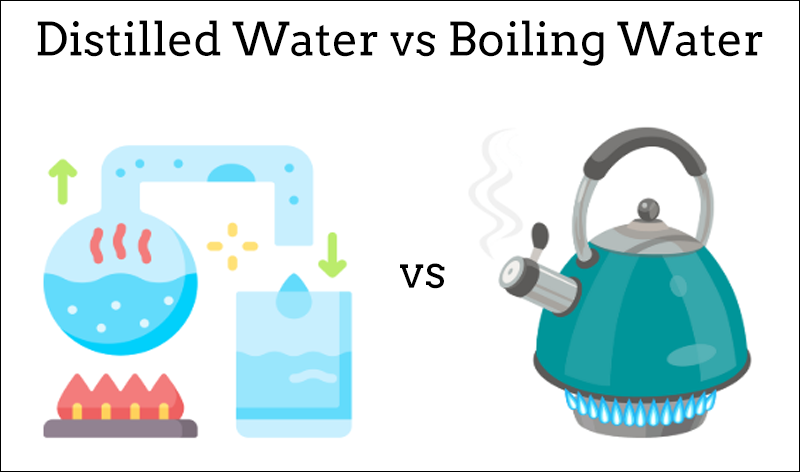
You just filled your kettle from the tap and clicked it on. Meanwhile, your friend swears by the jug of distilled water in their fridge, calling it “pure.” It’s a familiar kitchen scene, but it begs a quiet question: Are boiled and distilled water actually the same thing? Spoiler alert: they are not, and the difference is far more interesting than you might think.
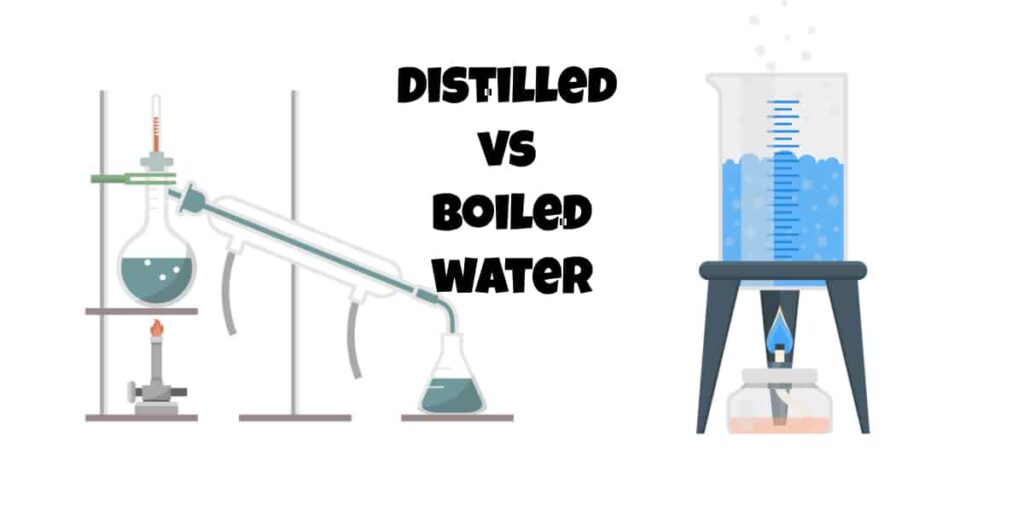
Let’s start with the basics, because clarity is everything. Boiled water is simply tap or spring water that has been heated to its boiling point, typically to kill bacteria, viruses, and other pathogens. It’s the go-to survival trick for campers and the standard for making safe baby formula. Distilled water, on the other hand, is a whole different beast—it’s water that has been vaporized into steam and then condensed back into a liquid, leaving almost every dissolved mineral and impurity behind.
Think of it this way: boiling is a quick cleanse for safety, while distilling is an extreme makeover for purity. When you boil water, you’re mainly targeting biological life; the calcium, magnesium, and fluoride already present in your tap water stick around for the ride. Distillation, by contrast, is the Marie Kondo of water treatment—it sparks joy by removing everything, including the minerals your kettle loves to deposit as limescale.
Must Read
The Cultural Stew: Why Your Grandma Boiled and Your Lab Tech Distills
If you grew up in a household where a whistling kettle was a sign of comfort, you know boiled water has a warm cultural resonance. From the British “cuppa” to Chinese hot water therapy, boiling is a ritual of care and safety. Distilled water, meanwhile, feels more clinical—you’ll find it in car batteries, steam irons, and hospital labs, not typically on your dining table.
But here’s the fun fact: your local water treatment plant already does the heavy lifting of filtering out most mud and chlorine. So when you boil tap water, you’re basically giving it a final hug. Distillation, however, is like sending your water to a spa resort where every single molecule gets a personal detox. It’s perfectly suited for science experiments or for people who need zero mineral content—like those using CPAP machines to avoid scale buildup.
Culturally, the gap is widening. In many coffee-obsessed cities, baristas now use filtered or distilled water to achieve a “cleaner” brew. Meanwhile, the humble boil remains the star of soup pots and pasta water, where a little mineral character actually enhances flavor. It’s a tale of two waters living in the same kitchen.
Practical Tips: When to Reach for Which
Now, let’s get hands-on. If you’re making a pot of black tea, boiled tap water is your best friend—the minerals help the tannins develop that rich color and mouthfeel. Distilled water, conversely, can make your tea taste flat and lifeless, like drinking a whisper of flavor. For coffee, however, many roasters recommend using water with a balanced mineral profile—so neither straight-boiled nor distilled, but rather a middle path.
Is distilled water better for your health? Not necessarily. While it’s exceptionally pure, it lacks the essential electrolytes your body craves, like calcium and magnesium. Drinking it exclusively over long periods (we’re talking months) could leach minerals from your body during digestion. Boiled tap water, though, still contains those nutrients—so for your daily hydration, it’s the more sustainable and health-friendly choice.
And here’s a practical gem for your home: use distilled water in your steam iron or humidifier. Boiled water might still contain minerals that clog the tiny steam holes, leaving white residue on your favorite shirt. Distilled water keeps your gadgets running smoothly—it’s the ultimate low-maintenance roommate for your appliances.
 Is Boiled Water the Same as Distilled Water? | Water Filter Market
Fun Little Facts to Impress at Dinner Parties
Did you know? Distilled water is so pure that it actually has a slightly lower boiling point (100°C at sea level) because it’s free of dissolved solids that raise the temperature of tap water. That means it boils faster—but only by a few seconds. During the Apollo moon missions, astronauts drank distilled water recycled from their own urine, proving that even the purest water has a humble origin story.
Boiled water has its own claim to fame: it’s one of the oldest survival techniques, dating back at least 7,000 years to ancient China. The archaeological evidence from Jiahu village shows pottery with signs of boiling—a quiet revolution that saved countless lives. Meanwhile, distillation was documented by the Greek philosopher Aristotle, who observed how seawater could be turned into fresh water by evaporating and condensing it.
Here’s a head-scratcher: if you boil distilled water, you get… distilled water. The process doesn’t change its purity. But if you distill boiled tap water, you get an even more extreme version of purity—double-distilled water, often used in pharmaceutical labs. It’s the water equivalent of a clean slate.
A Short Reflection for Your Daily Life
Standing in your kitchen, staring at the kettle and the jug of distilled water, you aren’t just choosing a liquid—you’re choosing a philosophy. Boiled water is about connection: to your tap, to your heritage, to a perfectly steeped cup of comfort. Distilled water is about precision: for your gadgets, for your experiments, for moments when only absolute purity will do.
Neither is better, they’re just different tools for different moments. The next time you fill your kettle, give a nod to the ancient wisdom of boiling. And when you pour that jug of distilled water into your iron, appreciate the science that keeps your clothes crisp. In the grand ecosystem of your home, there’s room for both—one for your soul, and one for your steam iron.
So drink up, steam on, and remember: the water you choose says more about your moment than your character. And that’s perfectly fine.
