Is Seltzer Water The Same Thing As Club Soda

Let’s get right to it, shall we? You’re standing in the grocery aisle, staring at two identical-looking bottles: seltzer water and club soda. Your brain whispers, “Aren’t they...
Let’s get right to it, shall we? You’re standing in the grocery aisle, staring at two identical-looking bottles: seltzer water and club soda. Your brain whispers, “Aren’t they… the same thing?” Well, friend, you are about to unlock a tiny, fizzy secret that will make your next drink infinitely more interesting.
The Fizz Face-Off: What’s Actually in the Bottle?
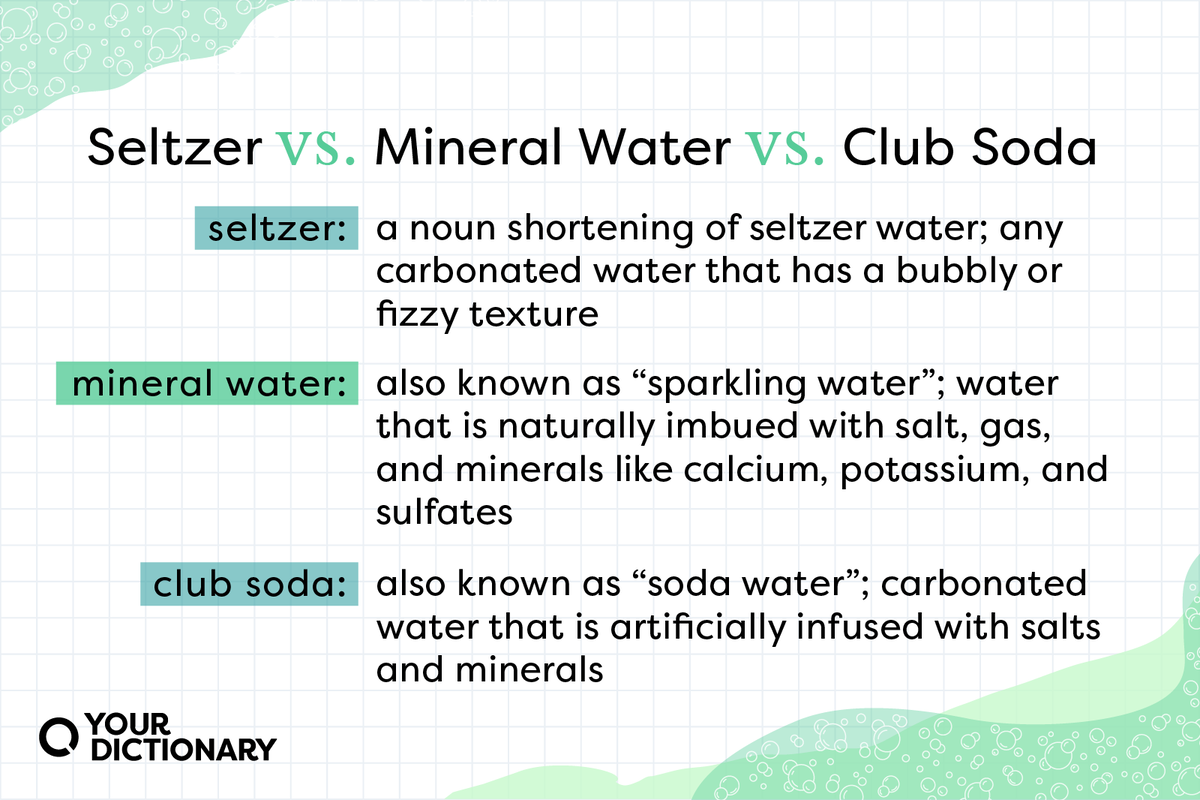
Here’s the short answer: No, they are not the same thing. But don’t worry—the difference is tiny, delicious, and totally harmless. Seltzer water is essentially plain carbonated water. It’s just water + carbon dioxide gas, period.
Club soda, on the other hand, is water + carbon dioxide plus a pinch of minerals. We’re talking potassium bicarbonate, sodium bicarbonate (baking soda), or a dash of table salt. These tiny additives give club soda a slightly “rounder,” saltier taste and a more persistent fizz.
Must Read
Think of it this way: seltzer is the minimalist friend who shows up without a trace, while club soda is the friend who brings a subtle, sassy little kick of minerality. Both are wonderful, just different!
But Wait—Why Should You Care?
Because knowing this little fact turns you from a passive drinker into a self-empowered mixologist. Imagine you’re crafting a crisp gin and tonic. Club soda’s gentle saltiness can enhance the botanicals in the gin—it’s a small tweak that makes a big difference.
Or picture a simple summer spritzer with fresh juice. Seltzer’s clean, neutral profile lets the fruit flavor shine without any interference. You’re not just drinking bubbles; you’re making a conscious choice about taste. How fun is that?
The Great Myth-Busting (And a Little Science)
Some folks swear club soda is “healthier” because it has minerals. Nope. The amount of minerals in club soda is negligible—you’d get more sodium from eating a single pretzel. Seltzer is usually sodium-free, so if you’re watching your salt, that’s your champion.
Another myth: the bubbles last longer in one versus the other. Actually, once you open the bottle, the carbonation escape rate depends on two things: temperature (cold holds fizz better) and headspace (less air on top = slower fizz loss). The mineral content in club soda can help the bubbles cling to the liquid a bit tighter, but it’s subtle.
So the next time someone says, “They’re basically the same,” you can nod wisely and say, “Close, but not quite—and that’s what makes life fizzy.”
 Soda Vs Water Club Soda
How to Use This Fizz-Knowledge for Maximum Joy
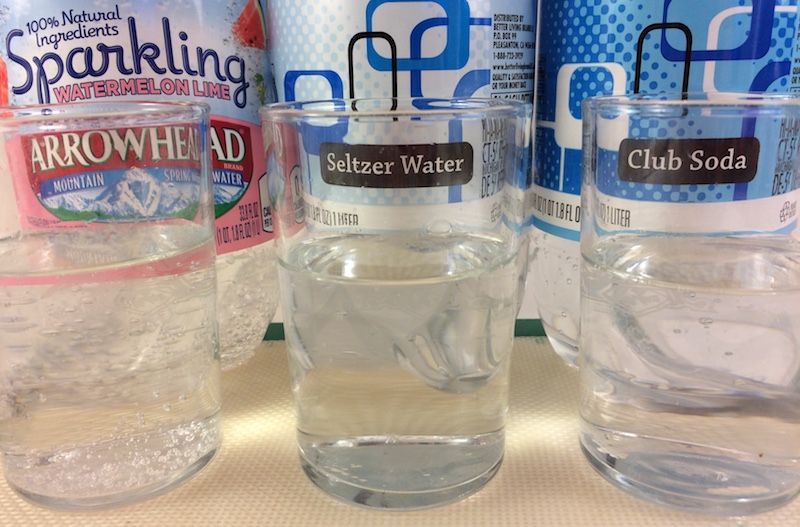
Here’s your fun assignment this week: Buy one bottle of each. Pour a glass of seltzer plain, then a glass of club soda plain. Taste them side-by-side. Notice how the club soda feels slightly slipperier on your tongue? How the seltzer disappears cleanly?
Now, use them in different drinks. Club soda for savory cocktails (think Bloody Marys) or drinks with savory herbs like rosemary. Seltzer for sweet fruit punches or delicate teas where you want zero aftertaste. You are now a bubble master.
Even better: try them in baking! Club soda’s salt can make pie crusts extra flaky. Seltzer’s neutrality creates lighter tempura batters. Who knew a carbonation difference could transform your cooking, too?
The Uplifting Finale (You Made It!)
Here’s the heart of it: the world is full of tiny, beautiful distinctions that most people overlook. Seltzer vs. club soda is a perfect metaphor. It’s a reminder that paying close attention turns the ordinary into a little adventure.
You didn’t just learn about bubbles today. You learned that small details—a pinch of minerals, a carbonation technique—can shift an experience from “meh” to “wow, that’s better.” That same curiosity applies to everything: the spices in your pantry, the plants on your windowsill, the stories in the people you meet.
So go ahead. Pop open a seltzer. Fizz up a club soda. Toast to the fact that you now see a little more color in a world that can seem plain. Life is better when you’re curious, and you just proved it. Here’s to your next delicious discovery—cheers, fizz-keeper!
