Is Bottled Water The Same As Distilled Water

Picture this: you’re standing in the grocery aisle, parched after a long day, staring at a wall of water bottles. You grab a sleek one labeled “pure spring water,” and next to...
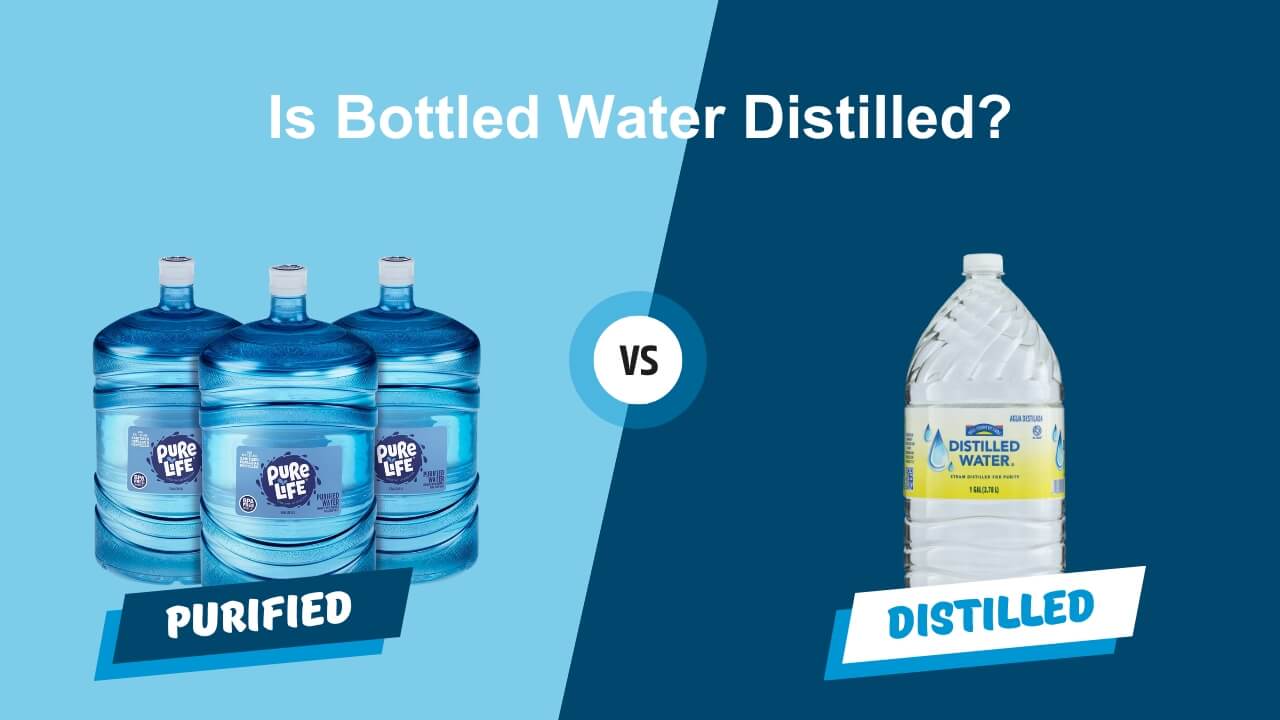
Picture this: you’re standing in the grocery aisle, parched after a long day, staring at a wall of water bottles. You grab a sleek one labeled “pure spring water,” and next to it sits a jug of distilled water that looks like it escaped from a hospital lab. Your brain whispers, “Aren’t they basically the same?” Oh, my friend, you are about to enter the wild, wet world of water confusion, and I’m here to be your slightly unhinged tour guide.
The Great Water Identity Crisis
Bottled water and distilled water are as similar as a golden retriever and a cat that’s plotting world domination. They both come from a faucet or a spring, but what happens next is where the drama begins. Distilled water has been violently boiled into steam, then cooled back into liquid, leaving behind every mineral, contaminant, and existential crisis.
Meanwhile, bottled water is often just tap water that got a fancy haircut and a marketing budget. Some brands filter it, some add minerals for “taste,” and others literally take it from a spring and slap a “glacier-fed” sticker on it. Distilled water, on the other hand, is so pure it’s basically the water equivalent of a monk who’s taken a vow of silence.
Must Read
Why Your Coffee Maker Hates Distilled Water
Here’s a surprising fact: distilled water is aggressively pure, meaning it has no minerals like calcium or magnesium. That sounds great, right? Wrong. Pure water is actually a thirsty little gremlin that wants to steal minerals from anything it touches. Drink it long-term, and it can leach minerals from your body, which is why astronauts don’t guzzle it on the regular.
But bottled water? It’s like the friendly neighbor who brings over a casserole. It usually has a balanced mineral profile, which is why your coffee maker and your kidneys don’t stage a rebellion when you use it. Distilled water, if you put it in a coffee maker, will slowly corrode the metal parts because it’s too busy being a chemical widow-maker.
The Taste Test: Death by Flatness
Take a sip of distilled water, and you’ll notice it tastes like nothingness—like a blank page in a novel, or the sound of one hand clapping. That’s because your taste buds are used to detecting trace minerals, and distilled water has none. It’s so flavorless that some people say it feels “hollow,” like drinking a ghost.
Bottled water, by contrast, is a full-blown personality. Some brands brag about their “crisp mountain taste,” which is just fancy talk for “we added a pinch of calcium.” Let’s be honest: most of us couldn’t tell the difference between Fiji and tap water in a blindfold test, but at least bottled water doesn’t make you feel like you’ve licked a window in winter.
The Plot Twist: Distilled Water Is a Lab Rat
Here’s where things get weird. Distilled water is amazing for car batteries, steam irons, and fish tanks with delicate species like discus fish (yes, that’s a real fish, and it’s very dramatic). But for drinking? Most experts say don’t make it your main squeeze. Your body needs electrolytes, and distilled water is like a party where nobody brought snacks.
 7 Key Differences: Spring Water Vs Distilled Water | H2GO Water Bottle
Bottled water, while far from perfect, at least has those snacks. But wait—here’s a surprise fact: the FDA regulates bottled water as a food product, while distilled water is often regulated as a pharmaceutical in some contexts. That means bottled water can legally contain tiny amounts of contaminants (still safe), while distilled water must be nearly sterile. That’s why hospitals use it for CPAP machines and lab experiments, not for drinking fountains.
The Environmental Elephant in the Room
Okay, let’s get real for a second. Distilled water usually comes in big plastic jugs that get reused, but bottled water generates 1,500 plastic bottles every single second globally. That’s enough to wrap around the Earth like a clingy ex. If you’re worried about the planet, tap water with a filter is actually the hero of this story.
But neither distilled nor bottled water is inherently evil—they just have different jobs. Distilled water is for your iron and your fish; bottled water is for your thirst and your ego. And if you’re feeling rebellious, just remember: all water is ancient. The water in that bottle might have once been part of a dinosaur’s tear. Drink up, but don’t get prissy about it.
The Final Verdict (With a Side of Sarcasm)
So, is bottled water the same as distilled water? No. They’re like distant cousins who only meet at funerals. Distilled water is the introvert who refuses to mingle; bottled water is the extrovert who sells you a story. If you want to stay hydrated without overthinking it, just drink tap water and pretend you’re a rugged survivalist. Your wallet and the planet will thank you.
And next time someone offers you distilled water, ask them if they’re trying to iron their shirt while also quenching your thirst. If they blink, you’ve won. Now go hydrate—preferably with something that has a little personality. But not too much personality. We’re not animals.
