Whole-house Water Filtration Reverse Osmosis

So there I was, standing in my kitchen, pouring a glass of water that looked suspiciously like something you’d find in a murky puddle after a rainstorm. You know the look—slig...
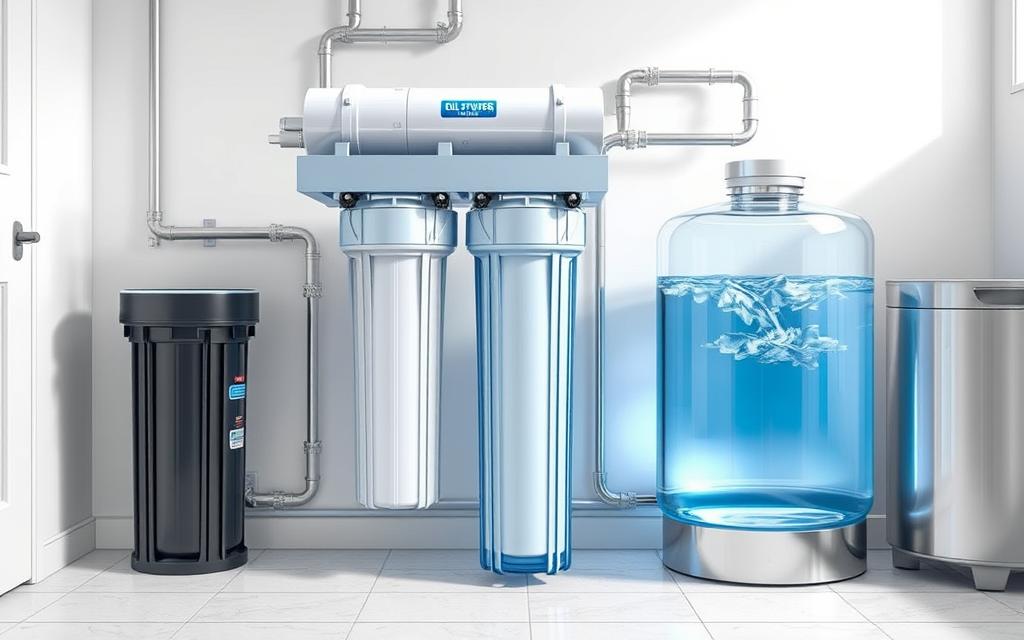
So there I was, standing in my kitchen, pouring a glass of water that looked suspiciously like something you’d find in a murky puddle after a rainstorm. You know the look—slightly hazy, with a faint scent of pool chlorination, but not quite refreshing. I took a sip, grimaced, and instantly thought, “This is not how I want to start my day.” That moment was my wake-up call. I realized my tap water wasn’t just unappetizing; it was potentially packed with stuff I didn’t want to think about—like lead, chlorine byproducts, and who-knows-what from the pipes.
Fast forward a few weeks, and I found myself deep in the rabbit hole of water filtration. And let me tell you, whole-house reverse osmosis (or RO, as the cool kids call it) is the final boss of home water systems. I’m not talking about those little pitcher filters that barely handle the taste. I’m talking about a system that scrubs every drop coming into your home—from the shower to the kitchen sink—like a spa treatment for your entire plumbing.
Here’s the deal: most people think RO is just for drinking water. Wrong. A whole-house RO system treats all the water you use. That means your morning shower doesn’t smell like a swimming pool, your skin stops feeling like sandpaper from hard water minerals, and your coffee tastes like it was brewed by a barista in the Swiss Alps. It’s basically a luxury upgrade for your entire lifestyle. Ironic, right? We spend thousands on fancy skincare, but water is the one thing hitting your skin every single day.
Must Read
But let’s get real for a second. Whole-house RO isn’t cheap, and it’s not a plug-and-play gadget. You’ll need a storage tank, a pre-filter, a membrane, and—if you live in a place with hard water—a water softener to protect the membrane. (Because nothing kills an RO system faster than calcium scaling—trust me, I learned that the hard way.) The installation can be a bit of a beast, usually requiring a plumber and some serious space under your house or in the garage. But oh boy, is it worth the hassle.
Curious about what it actually removes? Well, RO is a microscopic bouncer for your water. The membrane has pores so tiny (about 0.0001 microns) that only water molecules can squeeze through. Everything else—lead, arsenic, chlorine, fluoride, pesticides, and even those weird pharmaceuticals that end up in municipal water—gets kicked out. Substance by substance, it’s a purification powerhouse. If you’re a conspiracy theorist about tap water, this is your dream machine.
Now, here’s the ironic side: whole-house RO systems are water hogs. For every gallon of clean water you get, they dump about 3 to 4 gallons of concentrated “reject” water down the drain. That sounds awful, I know. But modern systems recycle that reject water for things like flushing toilets or watering plants—so you’re not totally wasting it. Plus, you can offset the guilt by feeling smug every time you take a sip of perfectly pure water.
Let’s talk about taste, because that’s the real kicker. When I first installed my system, I poured a glass of water and it was scary clean—like, no taste at all. It was so pure it felt unnatural. (You’d think I bought bottled glacier water, but nope, it came from my backyard.) After a week, I couldn’t go back. Tap water at a restaurant now tastes like a chemistry experiment to me. Your palate will become a water snob. You’ve been warned.
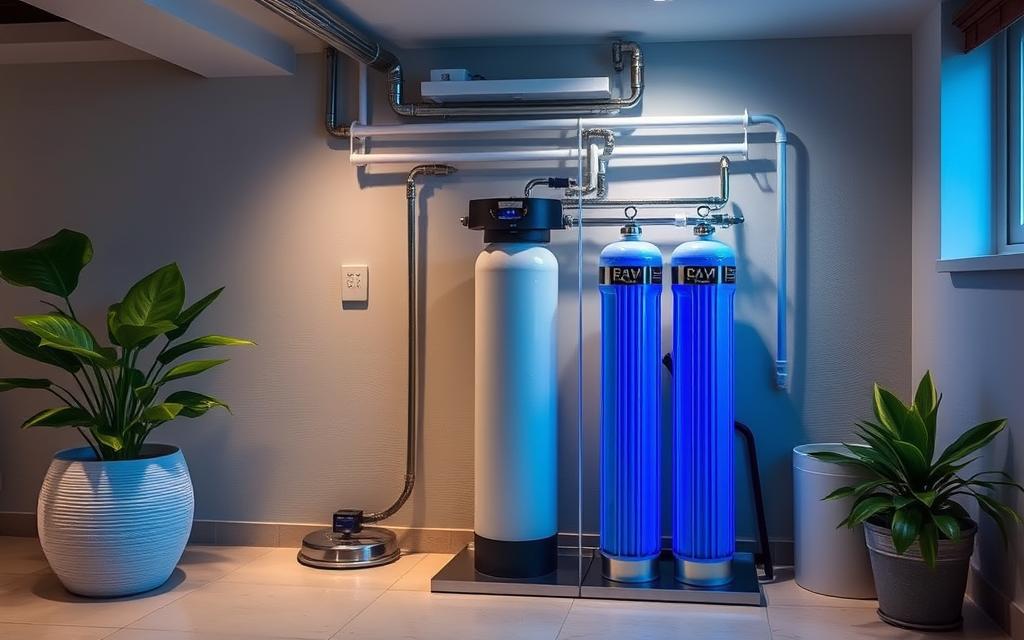 Whole House Reverse Osmosis Water Treatment Systems
Is it for everyone? Probably not. If you live in an apartment or rent, good luck convincing your landlord to install a system that costs a couple thousand dollars. But if you own a home and you’re tired of buying packs of bottled water, or you’ve got crazy hard water that ruins your appliances, this is a game-changer. Your washing machine will thank you, your water heater will last longer, and your hair will stop looking like straw. (Seriously, I’ve got before-and-after photos to prove it.)
Here’s a little side note: don’t forget the maintenance. The filters need swapping every six to twelve months, and the membrane lasts about 2-5 years depending on your water quality. It’s not a set-it-and-forget-it deal—more like a “set it and check it every season” situation. But honestly, it’s less work than refilling a Brita pitcher every week. And you can schedule reminders on your phone, so you don’t end up drinking through a clogged filter.
One more thing—I’ve heard people argue that RO water is “too pure” and strips minerals from your body. Let me stop you right there: the amount of minerals in tap water is negligible compared to what you get from food. You’re not going to become a mineral-deficient zombie because you drink demineralized water. In fact, many RO systems include a remineralization filter that adds back a pinch of calcium and magnesium for taste. So you can have your pure water and drink it, too.
In the end, my anecdote from day one feels like a distant memory. My kitchen now has a dedicated RO faucet that looks like a tiny silver sculpture, and I fill up my water bottle with a smug grin every morning. Whole-house reverse osmosis isn’t just about water—it’s about taking control of what flows into your body, your appliances, and your home. If you’re on the fence, do a taste test. Borrow a glass from a friend who has one. One sip, and you’ll start planning your upgrade.
And hey, if you decide to go for it, just remember: you’re not buying a water filter. You’re buying peace of mind—with a side of ridiculously good lemonade. (Yes, make lemonade with RO water. It’s life-changing.)
