Difference Between Distilled Water And Water

Let’s be honest: water is water, right? You turn on the tap, you get wet stuff, you drink it. But then someone mentions “distilled water,” and suddenly you’re picturing a mad...
Let’s be honest: water is water, right? You turn on the tap, you get wet stuff, you drink it. But then someone mentions “distilled water,” and suddenly you’re picturing a mad scientist in a lab coat, hoarding secret, ultra-pure H₂O. Relax, I’ve got you. Grab your metaphorical snorkel, because we’re diving into the surprisingly silly world of the difference between distilled water and regular water.
What Even Is “Regular” Water?
Regular water—the stuff from your sink, a stream, or a bottle labeled “spring”—is nature’s cocktail. It’s H₂O, sure, but it’s also carrying dissolved minerals like calcium, magnesium, and sometimes a little bit of dirt’s ghost (harmless, mostly). Think of it as water that’s been on a road trip through rocks and soil, picking up souvenirs.
That’s why your tap water can taste a little “mineral-y” or leave white spots on your glasses. Those spots are basically dried rock bits—no need to panic. Your body actually needs some of those minerals, which is why regular water is the MVP of hydration.
Must Read
Fun fact: if you drink only distilled water for a month, your teeth might start whining for minerals. Not literally, but your cells will notice.
Distilled Water: The Introvert of the Water Family
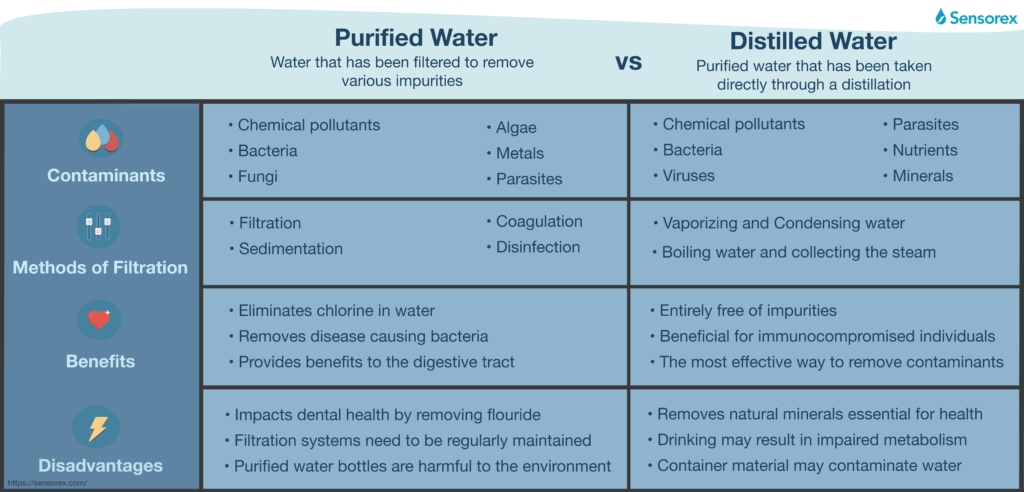
Distilled water is what happens when regular water goes to a spa, gets steamed, and leaves all its baggage behind. You boil water, trap the steam, and let it condense back into liquid. It’s like the water equivalent of a blank notebook—pure, boring, and slightly suspicious.
This process removes everything: minerals, bacteria, viruses, and even that faint taste of “ew, I left my cup near the garlic.” Distilled water is so clean it’s aggressively neutral. It doesn’t taste like anything—which is weirdly unsettling.
Surprising fact: distilled water can actually leach minerals from things it touches, like pipes or your coffee maker. It’s like a well-meaning but clingy friend who absorbs all your vibes. Don’t put it in your car radiator—it’ll eat the metal.
Can You Drink Distilled Water? (And Should You?)
Yes, you can drink distilled water. You won’t spontaneously turn into a cartoon skeleton. But should you? Only if you enjoy drinking liquid nothing with a side of potential mineral theft.
Your body sweats out electrolytes like sodium and potassium. Regular water helps replace them; distilled water just washes through, whispering, “I brought nothing to the party.” Over time, drinking only distilled water could mess with your body’s mineral balance—like eating only white bread for a week.
That said, distilled water is a hero for appliances. Use it in your iron, CPAP machine, or car battery, and it won’t leave crusty mineral deposits. Your coffee maker will thank you by not turning into a limestone cave.
Why Does Distilled Water Taste So Weird?
Because it’s too honest. Regular water has flavor from those road-trip souvenirs (minerals, dissolved gases). Distilled water is like a comedian who doesn’t tell jokes—technically perfect, but emotionally unsatisfying. Many people describe it as “flat” or “dry,” which is just code for “boring.”
 How to Fill a Humidifier: Quick Steps
Here’s the kicker: distilled water absorbs carbon dioxide from the air, making it slightly acidic. That tangy, faint fizz? That’s your water becoming a mild soda without permission. It’s still safe, but it’s like ordering water and getting a physics lesson.
When You Actually Want Distilled Water (No, Really)
Ever see those people in a chemist lab pouring water from a weird dispenser? That’s distilled water. It’s the white t-shirt of the liquid world—perfect for experiments where impurities would ruin data. You don’t want your DNA test messed up by a rogue calcium ion.
Also, if you have a fish tank with picky creatures like axolotls, distilled water saves their lives. Tap water’s minerals can stress out aquatic weirdos. But for your goldfish? Just use old tap water—they don’t care about your fancy purification.
And yes, some people swear by distilled water for sparkling appliances. Your hair straightener will never get chalky again. It’s like giving your gadgets a spa day, but without the cucumber slices.
The Verdict: Which One Wins?
For drinking, regular water is the champion. It’s got minerals, it tastes like something, and your ancestors survived on it. Distilled water is great for keeping stuff clean, but it’s the dietary equivalent of eating plain rice cakes while wearing a lab coat.
However, if you’re a hardcore prepper or live in a place with truly foul tap water, distilled water is a lifesaver for short-term use. Just toss in a pinch of salt or a mineral drop if you plan to guzzle it all day.
In the end, the difference is simple: regular water is the life of the party—full of character, a little messy. Distilled water is the designated driver—pure, reliable, and slightly judgmental. Drink whichever your situation demands, but don’t let the boring one bully the fun one.
And remember: if someone offers you distilled water with a straight face, they’re either a scientist or a comedian. Either way, thank them—and then sneak a sip of tap water when they’re not looking.
