Reverse Osmosis Water Filter System For Home

The Tap Water Tango: Why You Might Want a Reverse Osmosis Sidekick Let’s be honest. You’ve had that moment. You fill a glass from the tap, hold it up to the light, and squint...
The Tap Water Tango: Why You Might Want a Reverse Osmosis Sidekick
Let’s be honest. You’ve had that moment. You fill a glass from the tap, hold it up to the light, and squint. Is that a tiny cloud of chalky dust? A ghost of last night’s leftovers? You take a sip and wonder if your water is secretly plotting against you.
You’re not alone. We’ve all played this game of kitchen roulette with our drinking water. It’s like buying a fancy coffee and getting a weird aftertaste of boiled socks. That’s where the Reverse Osmosis (RO) water filter system rolls in, looking like the cool, clean friend you always needed.
What’s the Big Deal? (Or, How Water Gets a Spa Day)
Imagine your tap water as a busy highway. It’s full of cars—minerals, chlorine, lead, and weird stuff you don’t want to name. A Reverse Osmosis system is like a super-strict bouncer at a club. It checks every molecule at the door.
Must Read
It pushes water through a semi-permeable membrane so fine that only water gets the VIP pass. Everything else—the nitrates, the fluoride, the odd sediment—gets tossed out. It’s basically a diet for your water, cutting out all the junk.
You end up with H2O that tastes like it just came from a mountain spring, not a municipal pipe that was last cleaned in 1987. Your taste buds will throw a little thank-you party.
The "Bottled Water" Lie You’re Falling For
We’ve all been there. You buy a case of plastic bottles because the tap water tastes "meh." You tell yourself, "It’s just for convenience." But then you look at your recycling bin and feel a pang of eco-guilt. It’s like owning a gym membership you never use—expensive and pointless.
A home RO system kills that guilt cold. You get the same crisp, clean taste—often better—without crushing a turtle’s home every time you’re thirsty. Plus, you save a small fortune. I once calculated my bottle spending and nearly choked on my fancy water.
It feels like finally telling your addictive plastic habit, “We’re done. I’m seeing a plumber now.” It’s a win for your wallet and the planet.
The Installation: Easier Than Assembling IKEA Furniture (Seriously)
Okay, let’s talk about the elephant in the kitchen: installation. I’m no handyman. I once spent an hour trying to open a jar of pickles. But setting up an under-sink RO system? It’s surprisingly un-scary.
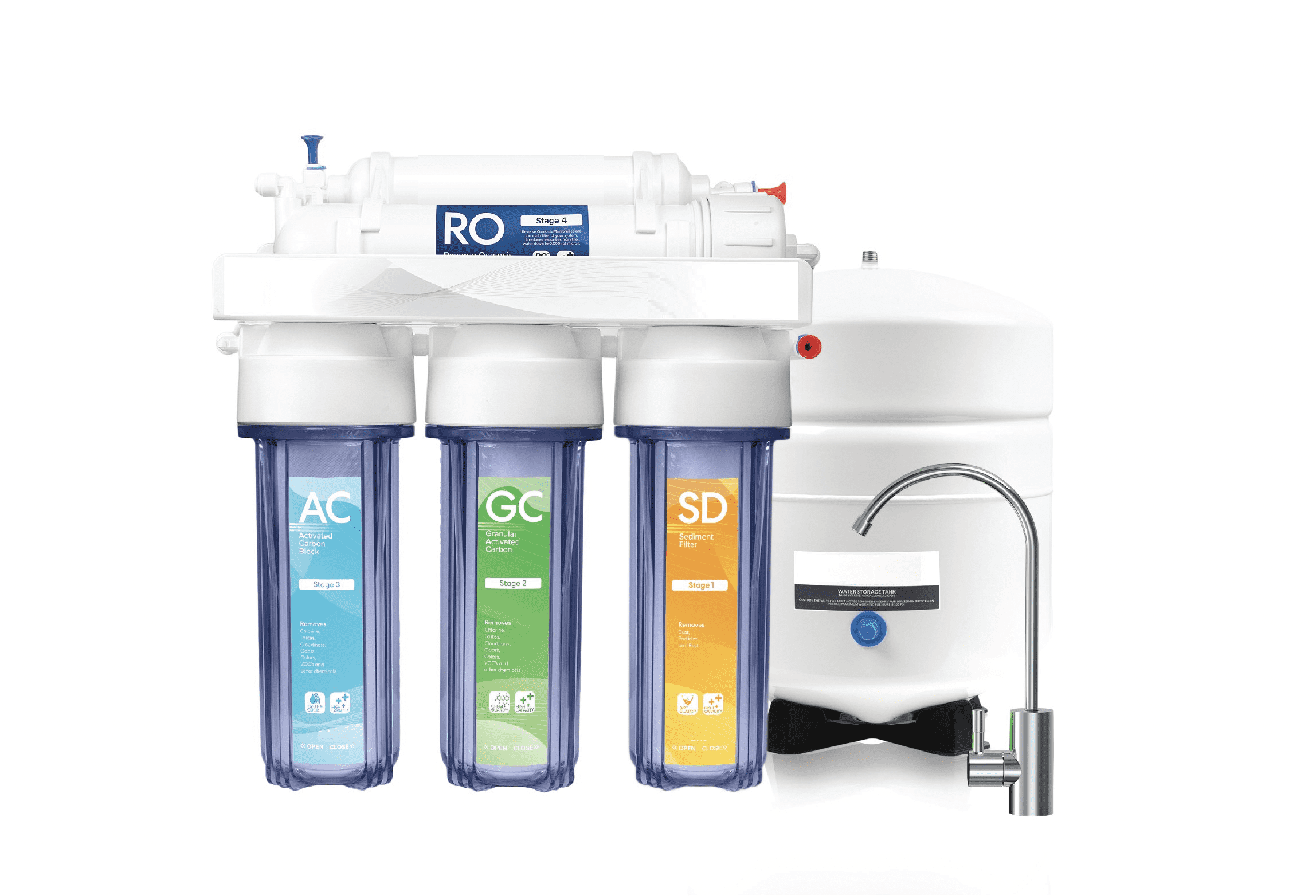
Most kits come with color-coded tubes and push-fit connectors. It’s like building a very simple, very wet LEGO set. You attach a feed valve to your cold water line, connect the filter stages, and run the little faucet hose.
If your inner klutz is nervous, just watch a video. I did it while wearing my "weekend dad" cargo shorts. It took less time than binge-watching two episodes of a sitcom. The hardest part was deciding where to drill the hole for the dedicated faucet.
The "Dedicated Faucet" Flex
Speaking of that faucet—it’s a game changer. You get this shiny, miniature tap next to your regular one. It feels like having a secret speakeasy for water. Guests will ask, “What’s that little guy for?” You’ll smirk and pour them the purest glass of H2O they’ve ever had. It’s your badge of hydration honor.
 Reverse Osmosis Water Filter System Costco
You never have to fill a pitcher and wait again. You just flick that tiny lever and whoosh—instant perfection. It makes you feel like a hydration superhero.
But Wait, Is There a Catch? (The Slow Sip)
Let’s keep it real. RO systems are not sprinters; they are marathon runners. They produce water slowly. You’ll fill a glass in about 30–60 seconds. If you need to fill a pot for pasta, you might want to use the regular tap and wait for the filtered water to top it off.
Also, they produce waste water. For every gallon of clean water, a few gallons go down the drain. It sounds bad, but new systems are getting way more efficient. Think of it as a small price for a gold-medal drinking experience.
And yes, they take up space under your sink. You might have to evict that old bottle of floor wax you never use. It’s a storage purge that’s totally worth it.
The Taste Test: Your Kitchen, Your Science Lab
Pour a glass of your new RO water. Hold it up. No cloud. No smell. Just pure, silent clarity. Take a sip. It’s… silent. There’s no metallic tang, no mineral bite. It’s like drinking a blank canvas. It’s weirdly satisfying.
It makes your coffee taste incredibly smooth. No more bitter notes from chlorine. Your tea becomes a crystal-clear reflection of the leaves. Even your ice cubes look like they came from a fancy hotel.
You’ll start noticing the difference in everything. You’ll become that friend who says, “Oh, you can really taste the lead in this tap water.” It’s a fun, slightly annoying new superpower.
The Bottom Line: Should You Dive In?
If you’re tired of buying jugs, if your water tastes like a chemistry experiment, or if you just want to feel like a water connoisseur? Yes, do it. It’s an upgrade that touches every sip you take.
It’s not a magic cure for all life’s problems—it won’t pay your mortgage or fix your car. But it will give you one small, perfect moment of refreshment each day. And in a chaotic world, a perfect glass of cold, crisp water is a tiny victory we can all enjoy.
Now, go fill that glass. Your taste buds are waiting.
