How Do I Reduce The Chlorine Level In My Pool

So, you’ve just tested your pool water, and the chlorine reading looks like it’s competing in an Olympic swimming event on its own. It’s high. That burning smell in the air is...
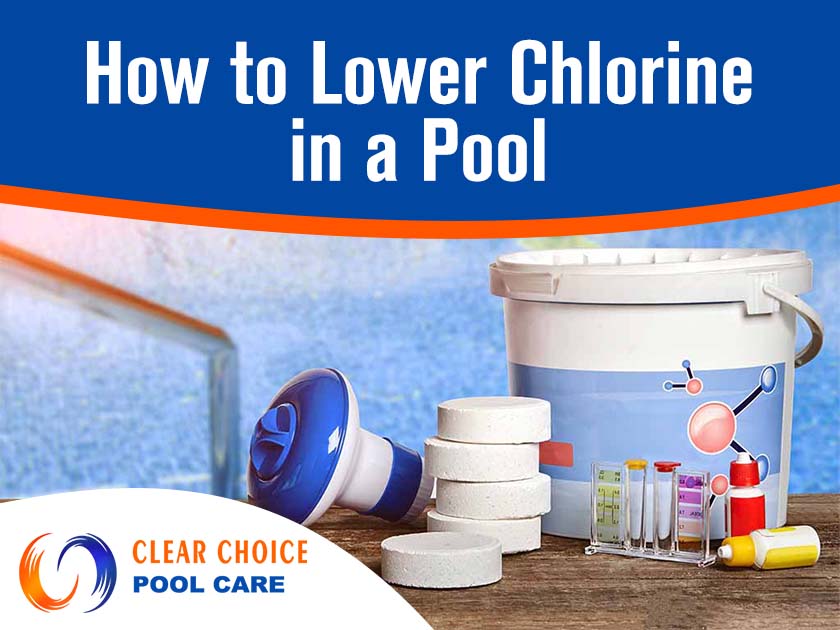
So, you’ve just tested your pool water, and the chlorine reading looks like it’s competing in an Olympic swimming event on its own. It’s high. That burning smell in the air isn’t actually pure chlorine, by the way—it’s chloramines, the chemical result of chlorine partying too hard with sweat and sunscreen. It’s a sign that your sanitizer is overworked, not just overabundant.
The First, Easiest Fix: Let the Sun Do Its Thing
Think of the sun as nature’s very own chlorine neutralizer. UV rays from direct sunlight break down free chlorine at a surprisingly rapid rate. If your pool is uncovered and you’re blessed with a sunny day, you can simply wait for the levels to drop naturally.
A pool can lose up to 90% of its chlorine in just two to three hours of full sun exposure. This is a passive, zero-effort solution, perfect for when you’d rather sip iced tea than mess with chemicals.
Must Read
Just be mindful that if you’re also fighting algae, you’ll want to keep the sun at bay until the algae is dead, but for a simple chlorine spike? Let the rays work their magic.
The Hot Water Soak Effect (And a Pool Party Tip)
Higher water temperatures accelerate chlorine consumption. Ever noticed how your skin feels extra dry after a hot bath in a chlorinated hotel pool? Same logic applies here. If your pool water is sitting at 85°F or above, the chlorine is burning off faster than a cheap candle.
You can lean into this phenomenon: plan an afternoon pool party with heavy activity. The more people swim, the more organic material (sweat, oils, and even those tiny bits of sunblock) enters the water, consuming chlorine as it oxidizes. It’s a social way to lower your levels—your friends are basically living, breathing purification devices.
Just don’t tell them that. It ruins the vibe.
Chemical Intervention: The Smart Way to Nudge
If waiting isn’t your style, or you have a covered pool, you need a chemical neutralizer. The two most common are sodium thiosulfate (sold as “Chlorine Neutralizer” or “Chlor Out”) and hydrogen peroxide (pool-grade, not the brown bottle from your pharmacy).
Sodium thiosulfate is the gold standard for a fast fix. You add a small, calculated amount based on your pool’s volume and the current chlorine reading. Within 15 minutes, you can see a dramatic drop. It’s like hitting the undo button on your last shocking session.
A fun cultural reference: pool technicians in Australia often call sodium thiosulfate simply “thio,” and they use it like emergency brake for water. In the US, it’s the secret weapon for pool stores when a client’s water looks like a bleach bottle exploded.
Hydrogen Peroxide: The Alternative Path
Pool-grade hydrogen peroxide (typically 27% or 35% concentration) is another effective option, especially if you’re running a saltwater or mineral pool. It works by oxidizing the chlorine directly into salt and water. This is a gentler approach that doesn’t mess with your pH as aggressively.
But here’s the catch: don’t mix hydrogen peroxide with biguanide (a non-chlorine sanitizer found in some systems like Baquacil). That combo creates a chemical fog that can actually cloud your water into a milky mess. Always check your label first.
For the DIY crowd, a little hydrogen peroxide goes a long way—one quart of 27% hydrogen peroxide can treat roughly 10,000 gallons of water for a 1–2 ppm chlorine reduction.
 11 Easy Tips: Lower the Chlorine Level in your Pool.
The No-Chemistry Hack: Partial Drain and Dilution
Sometimes the most elegant solution is the most ancient one: dilution. If your chlorine levels are sky-high (say, above 10 ppm), and you have the water level to spare, drain a third of the pool and refill it with fresh hose water. This immediately cuts the concentration.
It’s the swimming pool equivalent of adding ice cubes to an overly strong cocktail. You’re not removing the alcohol; you’re just spreading it out. This method also lowers total dissolved solids (TDS), which is a bonus for your pool’s long-term health.
Most pools are designed for a 1–2 inch water loss, but check with your local water authority first—some areas have restrictions on draining pools during droughts. You don't want to be the person who drains a backyard pool in a water advisory.
The “To Slow or Not to Slow” Question
Here’s a counterintuitive trick: don’t run the pump 24/7 while trying to lower chlorine. A running pump keeps water moving, but it also constantly mixes in new water from the filter return, which can redistribute high-chlorine water instead of allowing it to settle or escape via off-gassing.
Turning the pump off for 4–6 hours allows the chlorine to off-gas more efficiently at the surface. This is particularly effective on a breezy day, where wind physically blows the chlorine gas away. It’s like opening the windows in a room full of paint fumes.
You can also use a shock-and-swim product that contains a mild clarifier, which encourages chlorine to bind and settle, reducing levels faster than just waiting.
A Note on That “Chlorine Smell” (Yes, It’s a Myth)
The biggest misconception in pool culture: that “strong chlorine smell” means too much chlorine. No. It means too much combined chlorine (chloramines), which is a sign that the chlorine is working overtime on dirt, urine, and sweat. The solution is often a shock treatment to break down those chloramines, or simply lowering the overall free chlorine to a more comfortable level (1–3 ppm is ideal for most residential pools).
Think of it like a kitchen sponge: after wiping up a big spill, the sponge stinks. You don’t throw out the sponge; you rinse it. Your pool is the same—rinse out the high chlorine, and the smell disappears.
Celebrities like Tom Brady reportedly use pool systems that keep chlorine levels almost imperceptibly low, relying on UV and ozone filtration. The goal is to feel clean, not to smell like a laundromat.
The Final Splash
Reducing chlorine in your pool isn’t about panic; it’s about patience and balance. Whether you choose to wait for the sun, add a neutralizer, or simply swap out some water, you’re practicing the art of gentle correction. In a world obsessed with instant results, a pool teaches you that sometimes the best move is to step back and let nature—or a little chemistry—do the heavy lifting.
After all, a pool is a tiny, contained universe. Too much of anything—sun, chemicals, or even fun—needs a recalibration. As you adjust those chlorine levels, remember: you’re not just balancing water. You’re creating a space for calm, for laughter, for floating. And that’s worth a little math and a few extra hose fills.
