Which Is Better Reverse Osmosis Or Filtration

Alright, let’s talk water. Not the boring, tap kind that tastes like a swimming pool, but the good stuff. You’ve probably stood in the store, staring at filters, wondering if...
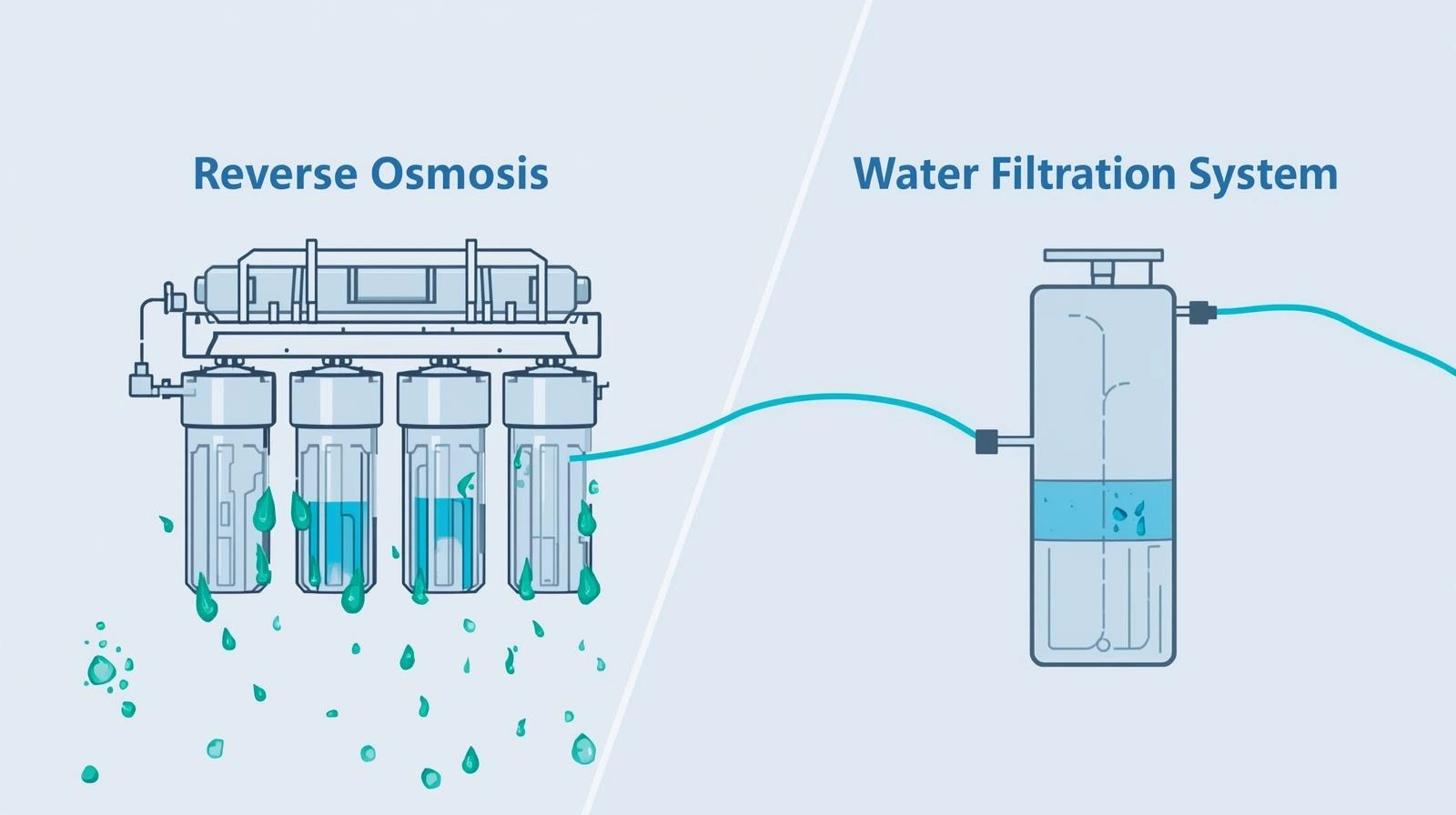
Alright, let’s talk water. Not the boring, tap kind that tastes like a swimming pool, but the good stuff. You’ve probably stood in the store, staring at filters, wondering if you need a science experiment or a simple pitcher. It’s like choosing between a jetpack and a bicycle for your morning glass of H2O.
So, Reverse Osmosis (RO) versus regular filtration. Which one wins? Spoiler: it depends on how much of a control freak you are about your water. Grab your mug (yes, with some of that questionable tap water), and let’s hash this out.
The Mighty Reverse Osmosis: The Overachiever
Think of RO as the NASA-level water treatment. It shoves water through a semi-permeable membrane so tight that only water molecules get through. Everything else—lead, chlorine, fluoride, even that ghost of a Tic Tac you dropped last year—gets kicked out.
Must Read
Is it overkill? Absolutely. But if your tap tastes like a salt lick or you’re worried about heavy metals, RO is your knight in shiny plastic armor. It turns your tap water into something a fancy spa would charge you $20 for.
But here’s the catch: it’s slow. And wasteful. For every gallon of clean water, RO systems typically dump three to four gallons down the drain. That’s like buying a whole pizza and throwing half away because you only wanted the pepperoni.
Why You Might Still Love RO
Do you live somewhere with hard water that looks like it’s running through a limestone cave? RO laughs at that stuff. It strips away minerals, too—the good ones, like calcium and magnesium. You’ll need a remineralization filter if you don’t want to drink “water that’s too pure,” which sounds ridiculous, but it’s a thing.
Honestly, RO is for the neurotic perfectionist. The person who uses a thermometer for their bath. If that’s you, go for it. Your water will be as blank and obedient as a piece of copy paper.
Standard Filtration: The Chill Friend
Now, let’s talk about filtration (the kind you find in a Brita or a faucet mount). This is the trusty bicycle. It won’t get you to the moon, but it’ll get you to the coffee shop without breaking a sweat. Charcoal filters grab the big stuff: chlorine, bad tastes, some odors.
Does it remove lead or fluoride? Usually not. That’s like asking a goldfish to do your taxes. It’s just not built for that. But for 90% of people, “less-chlorine” water is a massive upgrade from “ew, tap.”
Plus, it’s fast. You fill the pitcher, wait maybe a minute, and boom—drinkable water. No complex plumbing, no waste water. Just a cartridge you swap out every two months while feeling vaguely responsible.
When Filtration Wins (And Loses)
Standard filtration is perfect if you live in a city with decent tap water. You just want the pool taste gone. It’s also cheap. A pitcher costs $30, and the refills are pocket change. You can afford to buy that fancy avocado toast with the money you saved.
 Reverse Osmosis vs. Carbon Filters: Which Water Filtration System Is
But if your water looks like it’s been sitting in a rusty pipe since 1982? Or if you have a well with nitrates? Filtration will chuckle nervously and back away. It can’t handle that. You’d need the big guns (RO) or a specialized filter.
The Showdown: Which is Better for You?
Let’s get real. Do you need to remove literally everything? Do you have a baby at home, or an immune system that’s fussier than a cat in a rainstorm? Get RO. It’s the nuclear option, but it works.
Do you just hate the taste of chlorine and want a quick fix? Stick with a simple filter. It’s like wearing a hat instead of a full hazmat suit. Most of the time, that hat is enough.
What about the environment? RO wastes water, plus you might need to buy more plastic bottles if you don’t install a tank. Standard filters are simpler, but those cartridges end up in a landfill. Pick your poison, literally.
Honestly, I use a standard pitcher for drinking and an RO system just for my espresso machine. Why? Because espresso is a snob, and it demands water with no minerals. Don’t ask. It’s a whole thing.
The Final Sip
Here’s the truth: Both work. One is a surgical scalpel, the other is a Swiss Army knife. You don’t need the scalpel to butter toast. And you don’t need a Brita to perform heart surgery.
Test your tap water first. Buy a $10 kit. If it shows lead or pesticides, buy the RO. If it shows “slight hints of regret and chlorine,” buy the pitcher. Your wallet and your taste buds will thank you.
Now go hydrate. Pick your gadget. And if anyone asks which is better, just shrug and say, “Water is water, man. Unless it’s from an RO system. Then it’s scarily pure.” Cheers to that.
