How Can Arsenic Get Into Drinking Water Supply

So, you’re wondering how arsenic—yes, that poison from old murder mysteries—can sneak into your tap water? Sounds scary, right? But don’t worry, we’re about to turn this sneak...
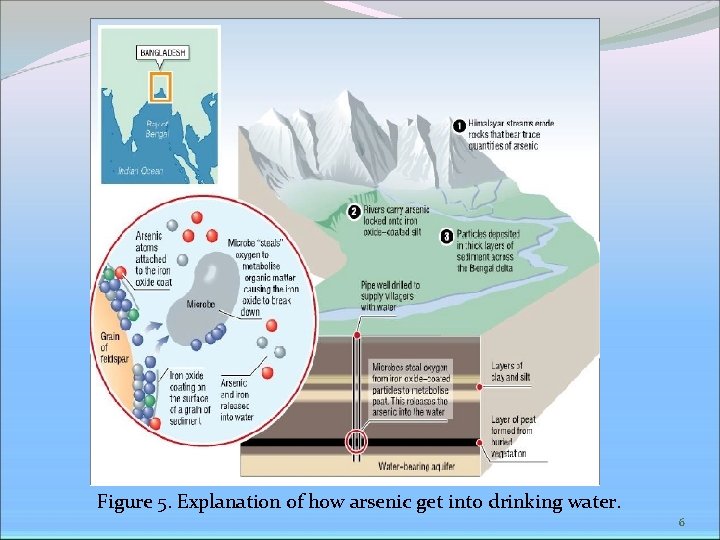
So, you’re wondering how arsenic—yes, that poison from old murder mysteries—can sneak into your tap water? Sounds scary, right? But don’t worry, we’re about to turn this sneaky villain into a fascinating science story that will make you the star of your next dinner party. Trust me, you’ll never look at a glass of water the same way again—in a good way!
First, let’s get one thing straight: Mother Nature is a prankster
Arsenic isn’t some man-made bogeyman; it’s actually a natural element found in the Earth’s crust. Think of it as that uninvited guest who lives in the basement rocks, just waiting for the right moment to pop up. And guess what? Rainwater, groundwater, and even underground rivers can dissolve those arsenic-laden rocks over time, carrying the mineral straight into our aquifers.
It’s a bit like making iced tea—except the tea bags are ancient volcanic deposits. Geology is basically the world’s slowest, most dramatic tea party.
Must Read
But wait, humans love to help it along (oops!)
We also introduce arsenic ourselves, usually with the best intentions. Pesticides used on farms, wood preservatives for playgrounds, and even some old mining operations can leak arsenic into the soil. Rain then washes it into streams and lakes, which feed into your local water supply. It’s a classic case of “we tried to be helpful, but nature had other ideas.”
Don’t panic, though! Modern water treatment plants are absolute wizards at filtering most of this out. But if you’re on a private well, you’re the captain of your own ship, which means you get to play detective with your water.
Why should you care? Because knowledge is the ultimate party trick
Learning about arsenic pathways is like knowing the secret backstory of a movie villain. Suddenly, every sip of water becomes a clever triumph over invisible forces! You can impress friends by casually mentioning that Bangladesh has a famous arsenic problem, or that some well water in New England tastes like “rock juice” because of it.
And here’s the fun part: once you know how arsenic gets in, you can prevent it. Testing your well water is cheap, easy, and makes you feel like a superhero. “Look, I just saved my family from a silent villain—and I used a $15 kit from the hardware store!” That’s a story worth telling.
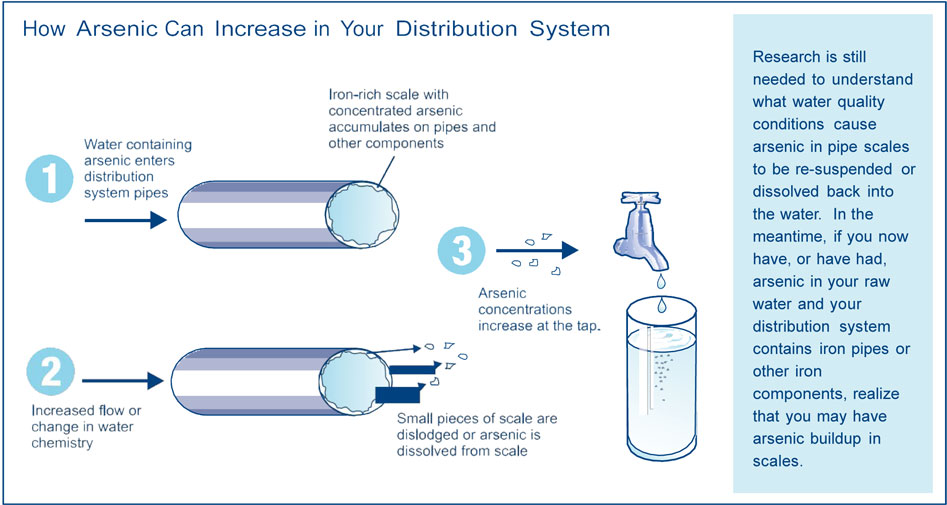 CFM Home Inspections » Drinking Water
The real secret? Arsenic is a reminder of how alive our planet is
Okay, let’s reframe this. Arsenic in water isn’t a sign that the world is ending—it’s a sign that the Earth is breathing. Rocks are dissolving, rivers are moving, and our planet is constantly mixing its chemistry. That’s kind of beautiful, even if it means we have to stay alert.
Think of it as nature’s way of saying, “Hey, don’t take your clean water for granted! Stay curious, stay involved.” You’re not a victim here; you’re a partner in a grand, ancient water cycle.
So, what’s the uplifting note?
You now hold a tiny key to a massive, fascinating puzzle. Arsenic has gone from a poison to a teacher—a teacher that says, “Your water is a living thing, and you get to protect it.” That’s not frightening; that’s empowering. Every time you turn on the tap, you’re part of a story that spans millennia, from volcanic eruptions to your morning coffee.
Go ahead, test your water, read a geology book, or just smile at your faucet. You’ve got this. The more you learn, the more fun life gets—and the more you realize that even a scary topic like arsenic is just another invitation to marvel at how wild and wonderful our world truly is. Cheers to that!
