Is It Unhealthy To Reuse Plastic Water Bottles

Ah, the humble plastic water bottle. It’s the sidekick we all have stashed in our car, gym bag, or office desk. You bought it for a dollar at the gas station, drank the water...
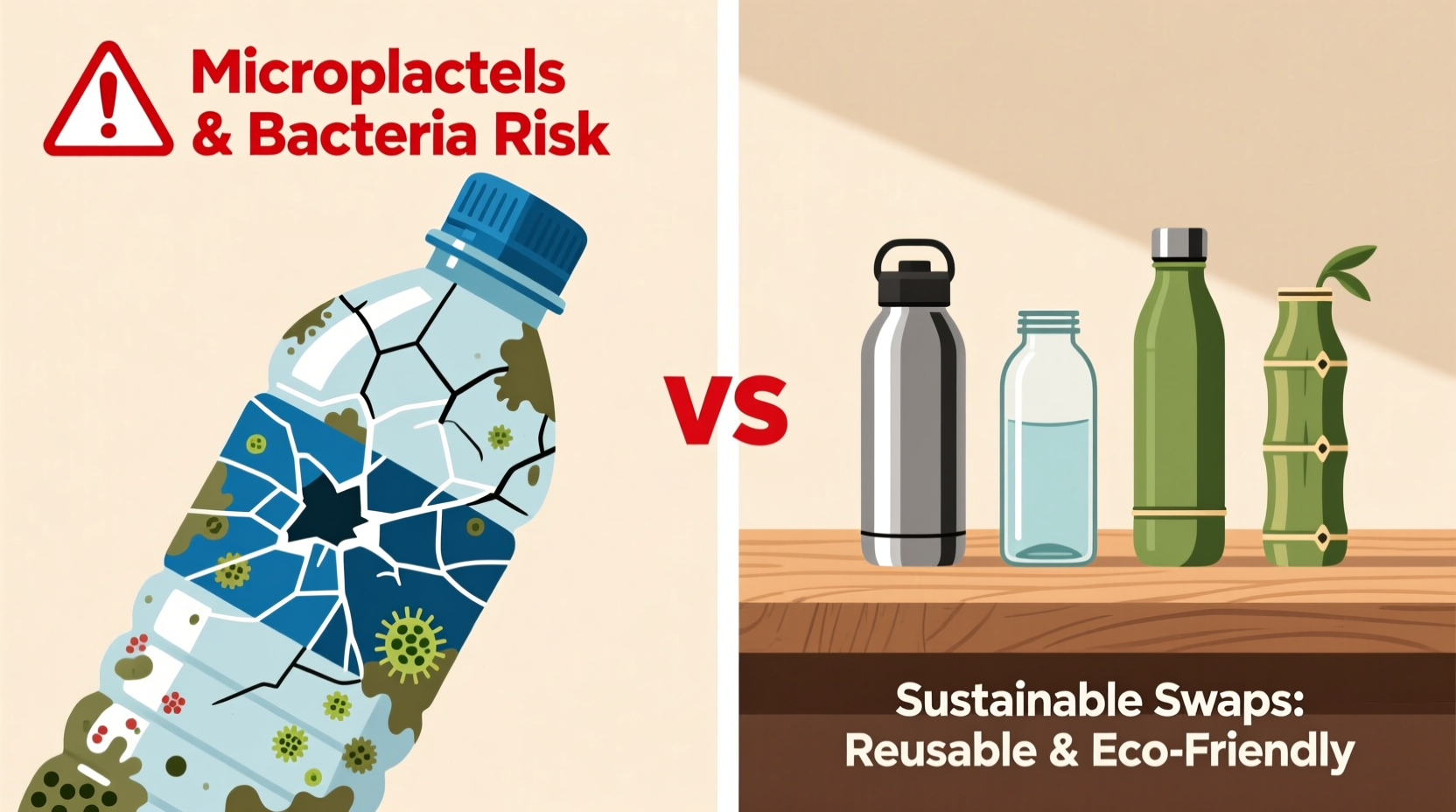
Ah, the humble plastic water bottle. It’s the sidekick we all have stashed in our car, gym bag, or office desk. You bought it for a dollar at the gas station, drank the water in three gulps, and then thought, “This is a perfectly good container. I’ll save the planet and my wallet by refilling it.” Fast forward six months, and that same bottle now has a suspicious gray film inside and a dent that looks like it fought a blender. Is this little plastic buddy actually turning into a health hazard?
Let’s be honest: the internet loves to scare us. One minute you’re sipping from a reused bottle, and the next, you’re convinced you’re marinating in a chemical soup. But here’s the real, slightly gross truth—it’s not the plastic itself that’s the issue for most of us. It’s the microscopic universe of bacteria that moves in like a rowdy fraternity. Think about it: your mouth touches that rim. You leave the bottle in a hot car. You forget to wash it for a week. Suddenly, you’re hosting a pool party for E. coli and Staphylococcus, and they didn’t bring a casserole.
Remember that time you took a sip from a water bottle you left in your gym locker for three days? It tasted like a dead sock, right? That’s your friendly neighborhood biofilm saying hello. Studies have shown that reused bottles can harbor more bacteria than your dog’s chew toy. Yep, I said it. Your “eco-friendly” habit might just be a science experiment gone wrong, especially if you’re refilling the cheap, single-use kind. Those bottles are not designed for a second act; they’re the one-hit wonders of the container world.
Must Read
The Chemical Panic: Real or Overblown?
Now, what about the scary chemicals like BPA and phthalates? You’ve heard the rumors: “Every time you reuse that bottle, you’re drinking a sip of toxic plastic soup.” Slow down, doomsayer. The truth is a bit more boring. Most single-use water bottles are made from PET plastic (recycling code #1), which does not leach BPA. The real villain—BPA—lives in harder, reusable sports bottles (code #7). So if you’re refilling that flimsy Dasani bottle, your chemical drama is probably overhyped. However, if you leave it in a scorching car all day—like a prison for water—the plastic can break down and leach antimony, a potential toxin.
But here’s the kicker: the biggest risk isn’t poison—it’s your own grubby hands. Ever seen the cracks and scratches on a bottle you’ve used for months? Those tiny grooves are mansions for bacteria. You try to wash them, but those ridges in the neck of the bottle? They laugh at your dish soap. It’s like trying to clean a cave with a toothbrush. My friend once reused a bottle so long that the inside felt slightly slimy, even after washing. He called it his “petri dish on the go.” That’s not a water bottle, that’s a probiotic experiment.
 Is It Safe To Reuse Plastic Water Bottles | Detroit Chinatown
The Real Solution (Without Being a Germophobe)
So, what’s a lazy-but-careful human to do? You don’t need to throw out every bottle you own and cry about plastic pollution. Just apply some common sense. First, treat your reused plastic bottle like a gym towel. Wash it with hot, soapy water and dry it completely after every single use. I know, it sounds exhausting, but think of it as a quick ritual. If you can’t stand washing it, or you’re the type who leaves it in a gym bag for a week, throw it away after three days. It’s not a family heirloom.
Second, stick to bottles made for repeated use, like a hard plastic Nalgene or a metal stainless steel. Metal is like the bouncer of the water world—it doesn’t scratch, it’s easy to clean, and it keeps your water cold. If you love the lightweight feel of a plastic bottle, buy a reusable Tritan plastic one (it’s tough and BPA-free). But here’s the funny part: even metal bottles can get gross if you never wash them. I once forgot to rinse my trendy hydro flask for two weeks in summer. When I opened it, the smell hit me like a fermented hayfield. So, no container is immune to your laziness.
Finally, listen to your senses. If the water tastes funny, if the bottle smells weird, or if it has more scratches than a scratched lottery ticket—let it go. Reusing a plastic bottle isn’t inherently unhealthy, but abusing it definitely is. You wouldn’t wear the same underwear for a month (I hope). Don’t let your water bottle live like that either. So go ahead, refill that bottle once or twice. Just give it a proper wash, and if it starts looking like a science experiment from the lab of a madman, recycle it and grab a fresh one. Your stomach will thank you, and you’ll still feel like a slightly responsible adult.
