Distilled Water And Deionized Water Difference

Let’s be honest, most of us don’t spend our weekends pondering the mysteries of water. It comes out of the tap, we drink it, we boil pasta in it, and that’s about it. But then...
Let’s be honest, most of us don’t spend our weekends pondering the mysteries of water. It comes out of the tap, we drink it, we boil pasta in it, and that’s about it. But then you hear terms like distilled water and deionized water, and suddenly it feels like a science class you didn’t sign up for. Don’t worry, this isn’t going to be a chemistry lecture. Think of it more like a friendly chat over coffee, where we figure out why you might actually care about this stuff.
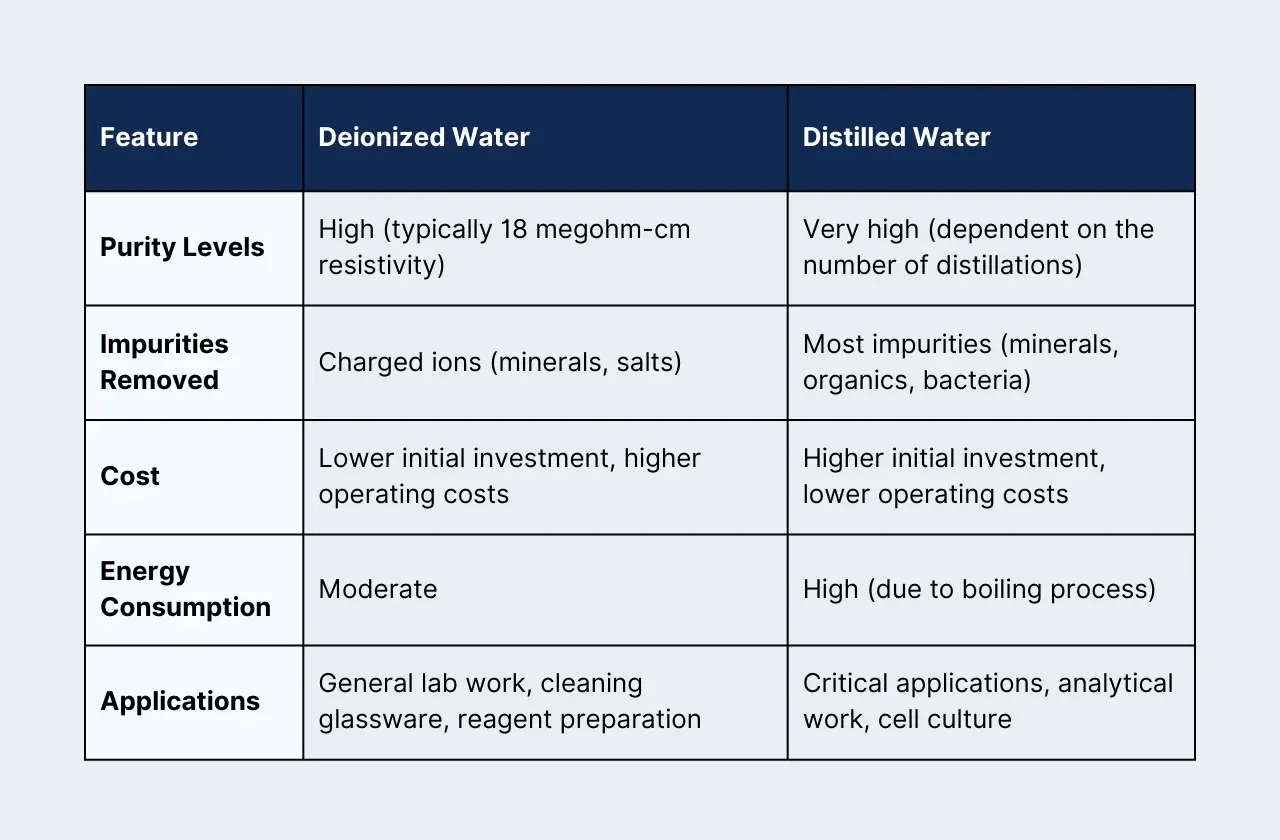
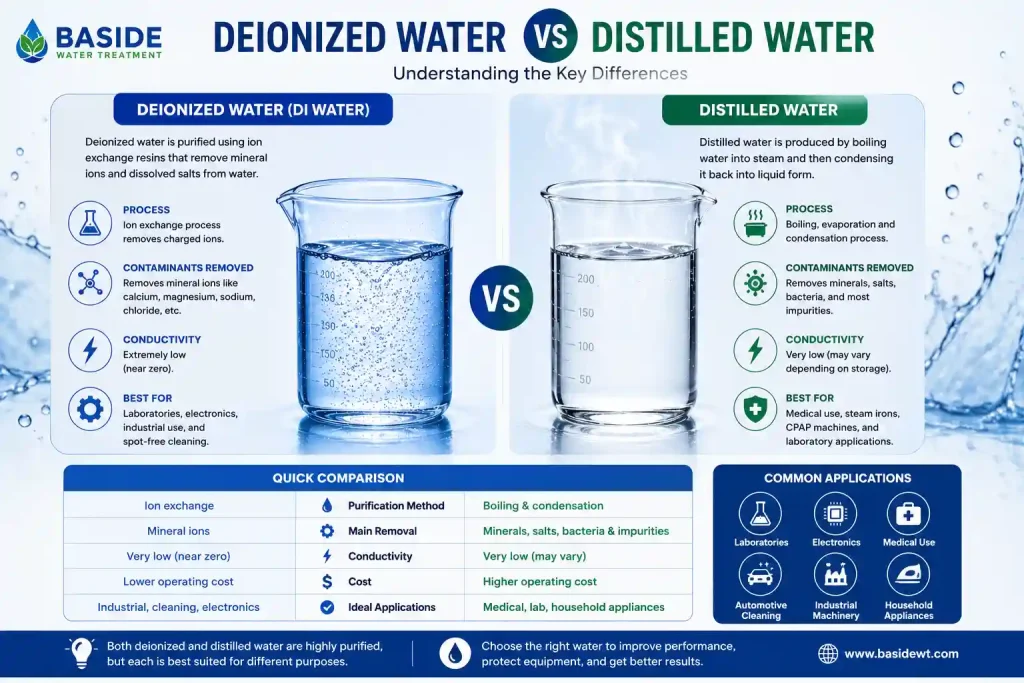
Imagine you’re making a perfect cup of tea. You boil tap water, but there’s that weird white film floating on top. That’s minerals, like calcium and magnesium, having a party in your kettle. Distilled water is basically the super-simplified version of water. We boil it until it turns into steam, then catch that steam and cool it back down. All the minerals, the bad stuff, and even the good stuff get left behind.
So distilled water is like the lonely hermit of the water world. It’s pure H2O, with nothing else. It’s great for things where you don’t want any mineral surprises. Think of your steam iron or your car’s battery. You don’t want calcium scale gunking up your iron’s little holes. Distilled water is the reliable friend who never leaves a mess.
Must Read
Now, deionized water is a different kind of special. It doesn’t boil anything. Instead, it goes through a process that acts like a super-charged magnet. The water passes through special resins that grab and remove all the charged mineral particles (the ions). It’s like having a bouncer at a club who only lets in the water molecules and kicks out all the salts and minerals.
The key difference? Distilled water is boiled clean, while deionized water is filtered clean. And here’s the fun part: deionized water is usually much purer than distilled water. The boiling process can miss some volatile chemicals that have a lower boiling point than water. Deionization is ruthless. It strips away everything charged, making it incredibly pure.
You probably won’t be distilling water at home for your morning cereal, so why should you care? Because these waters are the unsung heroes in your daily life. That giant flat-screen TV you love? The manufacturer used deionized water to clean the screens. Why? Because tap water would leave little mineral spots that could ruin the picture. Your local car wash might use deionized water for a spot-free final rinse.
Think about the medical world. When a hospital mixes medicine for an IV, they never use tap water. They use highly purified water, often deionized water that’s also been sterilized. Your kidneys do a great job filtering your blood, but even a tiny speck of mineral from tap water could cause a reaction in a needle. It’s a life-or-death level of purity we take for granted.
And what about your fish tank? If you have fancy tropical fish, especially ones from the Amazon, they often need soft, mineral-free water. Many aquarium enthusiasts use deionized water to start, then add back specific minerals. They don’t want the random cocktail of tap water. They want a controlled recipe. Distilled water works too, but the deionized stuff is like a blank canvas for fish nerds.
 Deionized Water vs Distilled Water: What’s the Real Difference
Let’s bust a myth. Is one better to drink? Generally, no. Your body needs some minerals. Drinking only distilled or deionized water for a long time might actually leach minerals from your body. It’s like eating only white bread. It’s fine in a pinch, but not a great long-term diet. Tap water, with its trace minerals, is usually the healthiest choice for daily hydration.
Here’s a little story. My grandfather swore by distilled water for his coffee maker. Every Sunday, he’d boil a big pot, let the steam condense on a lid, and collect the water. The coffee tasted fine, but his kettle lasted fifteen years without a single spec of limescale. That’s the real everyday win. You don’t have to go that far, but using distilled water in any appliance that heats water is a genius move.
Another example: my neighbor is a photographer who develops old-school film. He uses deionized water to make his chemicals and for the final rinse. One drop of tap water could cause a “water spot” that ruins a priceless photo. He calls it his “magic ghost water” because it leaves no trace. It’s a perfect example of how extreme purity is absolutely vital in some hobbies.
So what’s the takeaway? Think of them as two special tools. Distilled water is your simple, boiled workhorse for kettles, irons, and car batteries. Deionized water is the super-pure wizard for labs, hospitals, and high-tech cleaning. You don’t need to be a water expert, but next time you see a bottle labeled “distilled” or “DI water,” you can nod knowingly.
You can even impress your friends. Next time someone complains about cloudy ice cubes from tap water, you can say, “Ah, that’s the mineral content. Distilled or deionized water would be crystal clear.” They’ll think you’re a genius. And the best part? You’ll know exactly why it matters, without needing a single test tube or lab coat.
In the end, water is water, right? Mostly. But a little bit of knowledge about how it’s cleaned up gives you a fun lens to see the world. Whether it’s keeping your coffee maker happy, helping a hospital save a life, or just getting that perfect spot-free shine on your car, these two waters are quietly doing amazing things. And now you’re in on the secret.
