Catalytic Carbon Filter For Chloramine Removal

So, you’ve got a tap water superhero situation brewing in your kitchen. It’s not about a cape—it’s about a catalytic carbon filter. Yes, we’re diving into the wild world of ch...
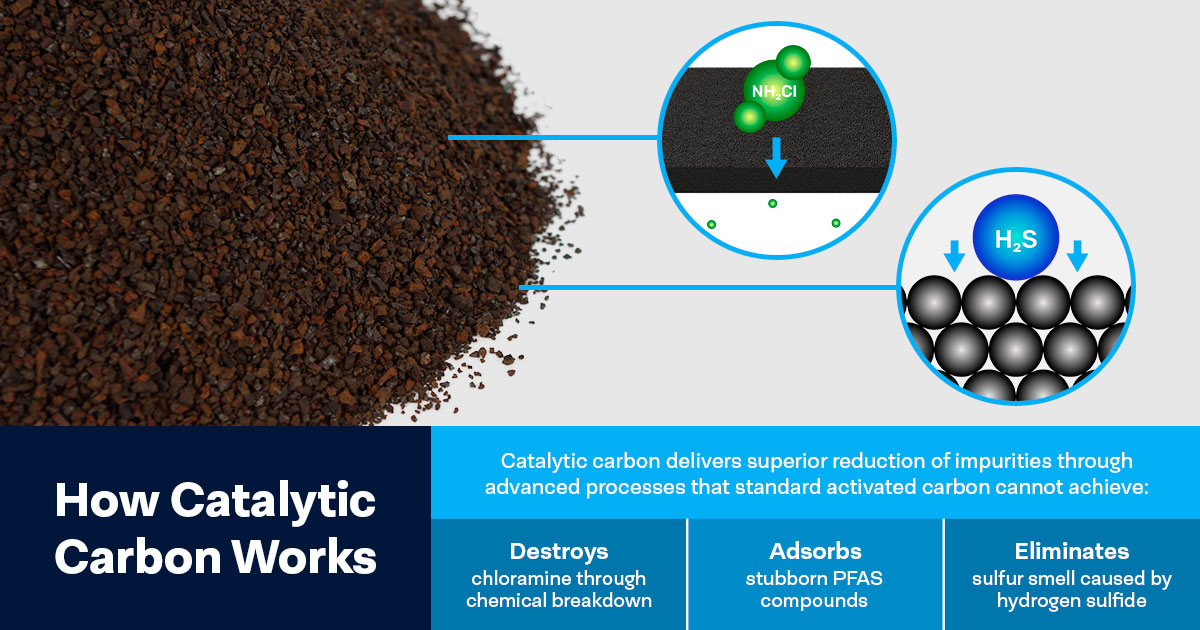
So, you’ve got a tap water superhero situation brewing in your kitchen. It’s not about a cape—it’s about a catalytic carbon filter. Yes, we’re diving into the wild world of chemical reactions that happen right under your sink.
Here’s the scoop: your water is probably laced with chloramine. That’s not your grandpa’s chlorine—it’s chlorine mixed with ammonia. Cute, right? Wrong. It makes your water smell like a swimming pool and taste like a chemistry experiment gone wrong.
But wait, there’s a hero here. Catalytic carbon. It’s like regular carbon’s cooler, smarter cousin. Think of it as carbon that went to a fancy brain camp and came back with PhD powers.
Must Read
What’s so special about catalytic carbon?
Regular carbon filters are like sponges—they soak up stuff. But for chloramine? They just roll over and play dead. They can’t break it down fast enough. Catalytic carbon doesn’t just soak—it attacks, transforms, and destroys.
Here’s the funky part: it uses catalysis. That’s a science word for “makes things happen without getting tired.” The carbon’s surface is charged and loaded with oxygen groups. Chloramine hits that surface and—BAM!—it breaks into harmless ammonia and chloride. No swimming pool taste.
It’s like watching a tiny, invisible demolition derby inside your filter. Every drop of water is a racer, and the catalytic carbon is the concrete wall. Crash, sizzle, gone.
Why you should care (and laugh)
Chloramine is stubborn. It’s the clingy ex who won’t leave. Boiling water won’t get rid of it—it just makes it smell worse. Some filters need huge contact times, like they’re waiting for a slow bus. Catalytic carbon is the express lane.
And here’s a quirky fact: chloramine was first used in the 1930s. Why? Because it lasts longer in pipes. It’s like the water utility company put it on “slow burn.” Your skin? It gets itchy. Your fish tank? Don’t even think about it. Goldfish are not fans.
But this filter is the peace treaty. It removes chloramine without a fight. No extra chemicals. No boiling. No waiting. Just pure, clean, happy water.
How does it actually work? (No lab coat required)
Imagine a sponge made of crushed coconut shells. That’s regular carbon. Now imagine that sponge got zapped with heat and gas to change its surface chemistry. That’s catalytic carbon. It’s like ageing carbon into a wise old wizard.
The chloramine molecule lands on the carbon’s surface. The catalytic sites rip apart the chlorine-nitrogen bond. Poof! You get nitrogen gas, water, and a tiny amount of chloride. No nasty byproducts. The filter doesn’t collect chloramine—it annihilates it.
 How to Remove Chloramine from Water (5 Effective Methods)
Fun fact: this reaction actually produces a tiny bit of heat. Your filter is literally sweating it out for you. That’s dedication.
But is it safe? (Spoiler: Yes, and it’s fun)
Some people get nervous about “chemical this” and “catalytic that.” Relax. This is the same science that makes your car’s catalytic converter work—just way cuter and smaller. It’s been tested by NASA and the EPA. Astronauts drink this stuff.
And it’s not just for chloramine. This filter also nukes chlorine, VOCs, and bad tastes. It’s the multitasker of your under-sink life. One filter to rule them all.
Plus, it lasts longer than standard carbon. Because it’s catalytic, it doesn’t get clogged as fast. You replace it less often and feel like a water genius. Win-win.
The real reason to get one
Water is boring. But great water is a joy. You’ll notice it when you brew coffee. No more weird, flat taste. Your tea will taste like tea, not chemical leftovers. Even ice cubes become a pleasure—no plastic bottle needed.
And think of your shower. Chloramine dries out skin and hair like a desert wind. With a catalytic carbon filter on your whole house? Your skin says “thank you” and your hair throws a little party. You might even sing louder in the shower.
One more quirky detail: catalytic carbon is made from bituminous coal or coconut shells. So you’re essentially using ancient plants to fight a modern chemistry problem. That’s poetic.
Should you try it?
If you’re on city water and your tap smells like a public pool, yes. If you have a fish tank and your fish look sad, even more yes. If you just want to impress your friends with weird water facts, absolutely yes.
Order a filter. Install it. Watch your water become crystal clear and delicious. You’ll feel like a mad scientist—but the kind who makes tasty coffee. Cheers to that.
