When Did Build Over Agreements Come Into Force

Picture this: You’re standing in your backyard, a cup of coffee in hand, dreaming about that little garden shed you’ve always wanted. Suddenly, you notice your neighbor’s fenc...

Picture this: You’re standing in your backyard, a cup of coffee in hand, dreaming about that little garden shed you’ve always wanted. Suddenly, you notice your neighbor’s fence is creeping a bit over the property line. You shrug it off, but then a thought hits you—what if they want to build a whole extension next year? That’s where the build over agreement (or “build over agreement”) comes into play, like a friendly handshake between you and the local water company.
So, when did these clever little agreements actually come into force? Well, it’s not like they popped up overnight like a trendy coffee shop. Build over agreements have been around for decades, but they really solidified as a standard practice in the UK around the early 2000s, thanks to changes in water industry regulations.
The Dirty Truth About Sewers
Imagine this: You’re renovating your kitchen, feeling like a home improvement wizard. You decide to build a small extension over that old, forgotten manhole cover in your back garden. That manhole? It’s a gateway to a sewer—the unsung hero of your neighborhood’s plumbing system.
Must Read
Before 2003, you could pretty much build over a public sewer without anyone raising an eyebrow. But then the Water Industry Act of 1991 got a little update in 2003, making build over agreements a legal requirement. The idea was simple: if you build over a sewer, you need to promise you won’t crush it or block access for repairs.
Think of it like this: it’s like agreeing to let your neighbor use your driveway for their moving truck—only fair, right? The build over agreement is that polite nod that says, “Hey, I’ll take care of this sewer, and you can still get to it if something goes wrong.”
But What About the Actual Date?
If you’re scratching your head wondering, “Okay, but when did it become a real, serious thing?”—here’s the juicy bit. The Water Industry Act 1991 always had some power, but the specific rules about building over public sewers came into force with the Water Industry (Prescribed Conditions) Regulations 2003, which took effect on 1 October 2003.
That’s the date you can mark on your mental calendar. Before that day, you could build a garage over a sewer line without a second thought. After that? Hello, paperwork and a little chat with your local water company.
Why Should You Care? (Hint: Your Wallet)
Let’s say you buy a house with a charming little conservatory that was built in 2005. You’re sipping tea, feeling smug, until a plumber tells you that conservatory sits right on top of a public sewer—and there’s no build over agreement. Uh-oh.
Without that agreement, you could be on the hook for thousands of pounds if the sewer needs repairs. The water company can demand access, even if it means demolishing your lovely sunroom. That’s like buying a used car and finding out the previous owner skipped the oil changes—nasty surprise.
But a build over agreement is your get out of jail free card. It proves you built responsibly, and you won’t have to pay for emergency sewer work that could pop up like a bad rash. In fact, if you ever sell your house, buyers’ solicitors will ask about it—so it’s a resale value booster in disguise.
Real Life Example: The Shed That Almost Was
My friend Dave once got super excited about building a small workshop in his garden. He dug a foundation, poured concrete, and was ready to celebrate. Then his wife, bless her, noticed a little metal cover near the spot. Turned out, that was a public sewer access point.
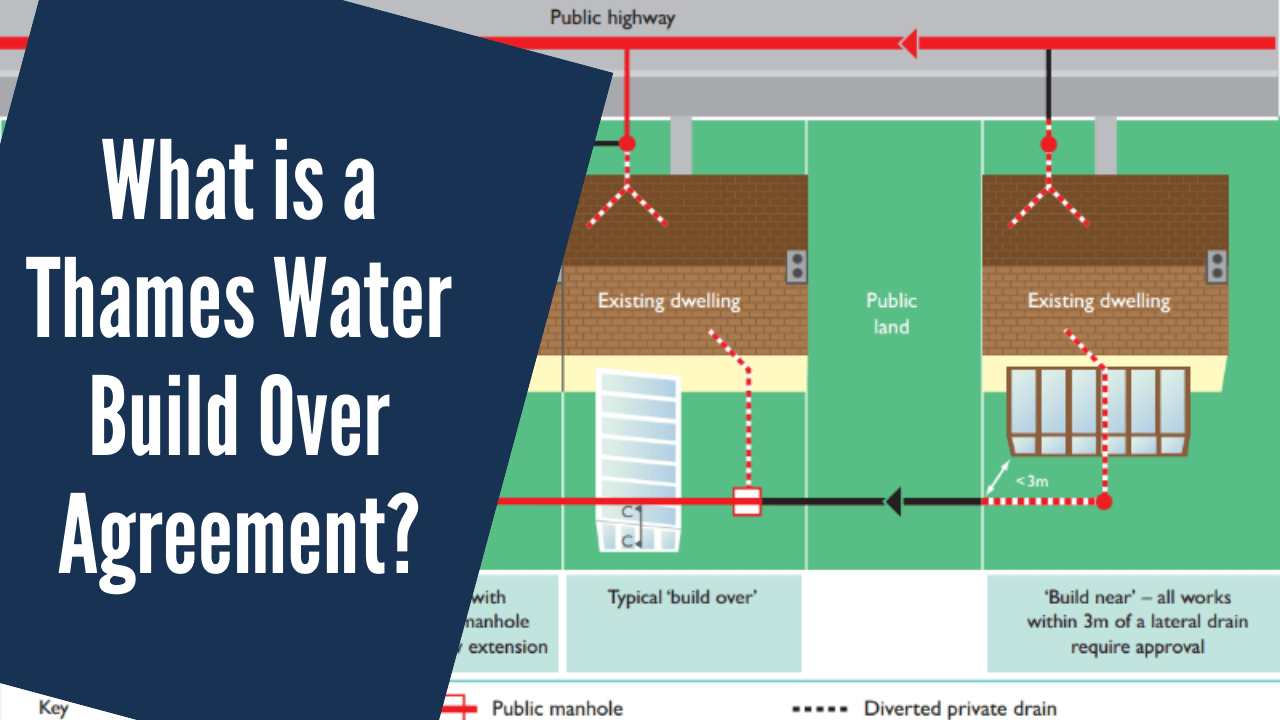 What Is A Thames Water Build Over Agreement?
Dave had to call the water company, fill out a build over agreement, and pay a modest fee. It was a bit of a hassle, but now he sleeps soundly knowing his workshop won’t cause a sewage geyser in the middle of a barbecue. Moral of the story: check for sewers before you start swinging a hammer.
What If You Already Built Without One?
Don’t panic. If you’ve already built over a sewer without an agreement, you can apply for a retrospective build over agreement. It’s like saying, “Oops, I did it again,” but with a pen and a checkbook. Water companies aren’t monsters—they’ll usually approve it if the build is safe and doesn’t block access.
Just be prepared for a little more scrutiny, and possibly a survey fee. It’s a small price for peace of mind, like buying insurance for a trampoline—better safe than sorry.
A Few Friendly Tips
Always check your property’s “sewer map” before any construction. You can get this from your local water company or the Land Registry—it’s like a treasure map, but instead of gold, you find buried pipes.
Remember that build over agreements are not just for houses—they apply to garages, extensions, patios, and even big sheds. If you’re building something permanent over any public sewer (yours or shared), you likely need one.
And if you’re buying a home, ask your solicitor if any existing structures have these agreements. It’s a small question that can save you a big headache later.
The Bottom Line: A Little Paperwork, A Lot of Comfort
Build over agreements have been a thing since 1 October 2003, but they’re really about common sense and good neighborliness. They protect the pipes that keep your life flowing smoothly—literally. Think of them as the unsung heroes of homeownership, like smoke alarms or drain covers.
So next time you plan a garden makeover or a dream extension, give a little nod to that build over agreement. It’s not just red tape; it’s a warm, fuzzy guarantee that your home won’t accidentally become a plumbing disaster zone. And hey, a little paperwork never hurt anyone—unless you try to build a swimming pool over a sewer main. Don’t do that.
