Is It Ok To Use Alkaline Water For Baby Formula

So, my friend Jenna called me the other day, sounding like she’d just discovered the secret to parenting. “I’ve been making the baby’s formula with alkaline water,” she whispe...
So, my friend Jenna called me the other day, sounding like she’d just discovered the secret to parenting. “I’ve been making the baby’s formula with alkaline water,” she whispered, as if sharing classified info. “It’s supposed to balance his pH, right?” I could almost hear the health influencer fairy dust sprinkling through her phone.
The Big Question: Is This a Genius Hack or a Total Misstep?
Look, I get it. We’re all trying to be the best parents possible, and that fancy water bottle with the 9.5 pH feels like the pinnacle of wellness. But when we’re talking about tiny human systems that are still figuring out how to digest the basics, we need to pump the brakes.
Let’s unpack this without the crunchy jargon. Spoiler alert for Jenna: you might want to put down the high-pH pitcher.
Must Read
What’s Actually in That Bottle?
Alkaline water is basically normal water with a higher pH—usually around 8 or 9—thanks to minerals like calcium, potassium, and magnesium. Sounds wholesome, right? It does, until you remember that a baby’s stomach is a delicate, highly acidic machine designed to kill bacteria and break down milk.
Here’s the ironic kicker: a baby’s natural stomach pH is already around 1.5 to 3.0. That’s strong enough to dissolve a penny. By using alkaline water, you’re essentially trying to neutralize this built-in defense system. Why would you mess with that?
The Formula Math Doesn’t Add Up
Baby formula is meticulously crafted to mimic breast milk. The water you mix it with affects how those nutrients dissolve and get absorbed. Alkaline water can mess with the balance of iron, zinc, and calcium—making them harder for the baby to use.
So while you’re thinking, “I’m giving my kid a hydration upgrade,” their little body might actually be struggling to get the nutrition it needs. Ouch, right?
The “But My Friend’s Baby Is Fine” Trap
I know, I know. You’ve got a cousin in Oregon who swears her toddler is a genius because of alkaline water. Confirmation bias is a monster. Kids are resilient; they can handle a few off-balance meals without immediate disaster. But “handling it” isn’t the same as “thriving on it.”
The real danger here is metabolic alkalosis. It’s a fancy term for when the blood becomes too alkaline. Symptoms in babies? Vomiting, muscle twitching, and hand tremors. Fun stuff—not.
So, What’s the Alternative?
You know that boring old tap water? The one with fluoride and minerals? Yeah, that’s actually the gold standard for baby formula in most places. Pediatricians recommend plain, cold, or boiling-and-cooled tap water. If your tap is sketchy (hello, well water or lead pipes), use low-fluoride bottled water—not the alkaline stuff.
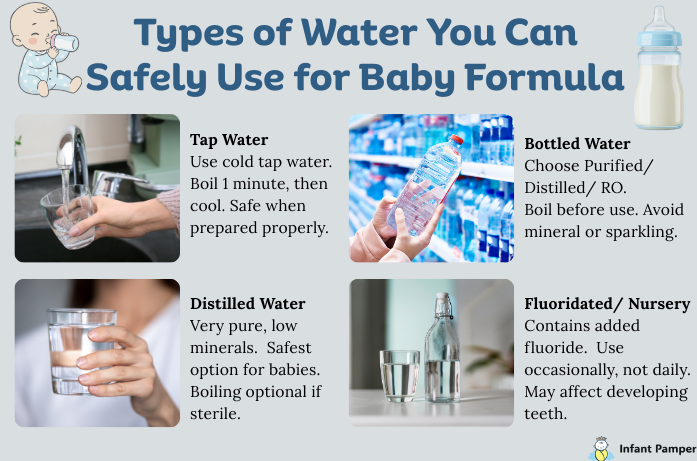 What Water to Use for Baby Formula: Safe & Doctor-Approved Choices
But wait—what about lead? You should check your local water report first. It’s free. Just Google it. I’ll wait.
A Tiny Moment of Honesty
Am I saying alkaline water is poison? No. If someone accidentally uses it to make one bottle, your baby won’t combust. But making it a habit is like putting premium fuel in a lawnmower—unnecessary and potentially gummy.
The truth is, the “alkaline” trend is for adults with acid reflux or marathon runners looking for hydration edge. A newborn doesn’t need an edge. It needs predictable, boring, balanced water.
What If You’ve Already Been Doing It?
First, take a breath. You haven’t ruined your baby. Seriously. Just stop tonight and switch to standard water. If your baby seems unusually fussy, gassy, or has struggled to gain weight, mention it to your pediatrician. But don’t panic.
Also, please ignore the Instagram moms who post pictures of their babies next to pH strips. There is no test strip for good parenting.
The Bottom Line (with a wink)
Your job is to keep the baby fed, loved, and alive. Let the fancy water be for your morning hangover or your green smoothie addiction. For the formula bottle? Keep it simple, keep it standard, keep it boring.
And Jenna? She’s switching back to tap water as we speak. Because good moms are brave enough to change course when the science says so. Even when it means admitting your alkaline pitcher was just an expensive pitcher of hype.
