Water Filter That Removes Fluoride And Chlorine

Hey, you. Yes, you, staring at that glass of tap water. Are you having a little trust issue right now? I get it. Water is supposed to be this pure, life-giving thing. But the...

Hey, you. Yes, you, staring at that glass of tap water. Are you having a little trust issue right now? I get it.
Water is supposed to be this pure, life-giving thing. But then you hear words like “fluoride” and “chlorine” and suddenly it feels like you’re drinking from a science experiment gone rogue. It’s not that they’re evil—chlorine keeps us from getting cholera, and fluoride is great for teeth. But maybe, just maybe, you don’t want to taste the swimming pool every single morning.
So, what if I told you there’s a gadget that kicks both of them to the curb? Yes, a water filter that removes fluoride and chlorine. It’s real, it’s out there, and it’s not some overpriced magic rock.
Must Read
Wait, why do we even have these in our water?
Let’s be real for a second. Chlorine is added to kill bacteria and viruses. It’s a lifesaver, literally. But it also makes your water smell like a hotel laundry room and taste like regret.
Then there’s fluoride. The government decided decades ago it would fight cavities. And it works—but now it’s in everything. Toothpaste, mouthwash, and your tap water. Some folks worry about too much of it, and honestly, having the choice to remove it feels pretty powerful.
You’re not wrong for wanting control over what goes into your body. You’re not being dramatic. You’re being smart.
The filter that does double duty
Here’s where it gets fun. Most basic pitcher filters—the ones with the little charcoal sticks—are great at removing chlorine. They make water taste nicer, and you go, “Ah, that’s better.” But they are terrible at removing fluoride. It sneaks right through.
Fluoride is a stubborn little molecule. It takes some heavy-duty tech to grab it and hold it hostage. That’s where reverse osmosis or activated alumina come in. These are the big guns. They don't mess around.
Reverse osmosis systems are like bouncers at a club. They let the good water molecules in, but fluoride, chlorine, lead, and even microplastics? Sorry, you’re not on the list. You get kicked out to the drain.
Another option is activated alumina filters. They’re specifically designed to attract and hold fluoride. They also grab chlorine on the way, like a two-for-one deal at your favorite diner. Boom. Clean, neutral water.
Is it worth the hassle?
Okay, let’s talk about the downsides, because I’m not selling you a dream here. Some of these systems are expensive. A good under-sink reverse osmosis unit can cost a couple hundred bucks. The replacement filters can also add up. Ouch.
And they take up space. You might need to drill a hole in your countertop or sacrifice some cabinet real estate. If you’re renting an apartment, your landlord might give you the evil eye.
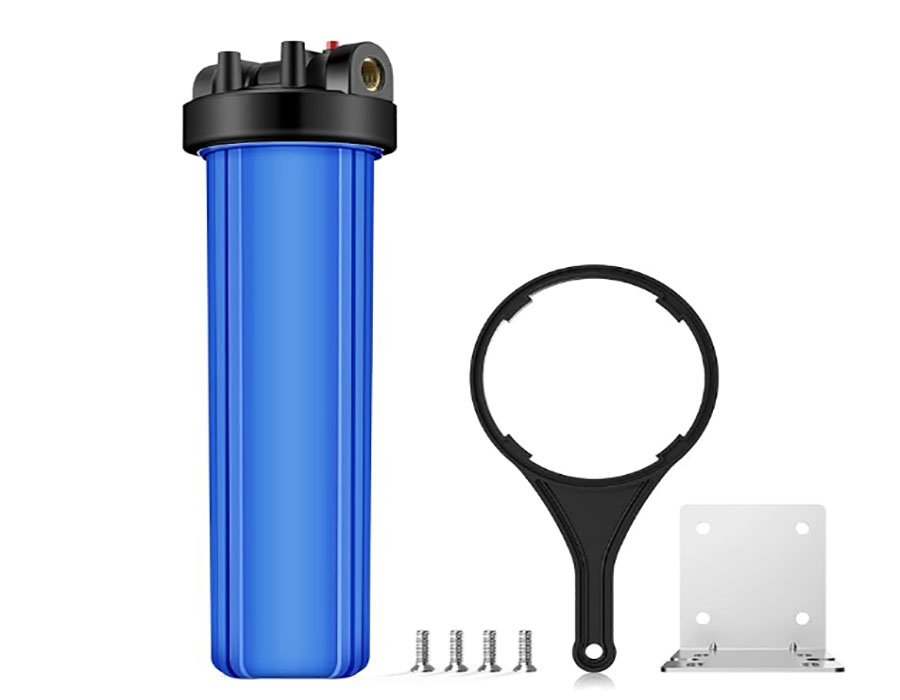 whole house water filter that removes chlorine and fluoride Reverse
But here’s the trade-off: you will taste the difference. I promise. The first glass of water from a filter that removes both fluoride and chlorine tastes like… nothing. It’s pure nothing. And that’s the best compliment you can give water.
The pitcher option? Almost there.
You might be thinking, “Can I just buy a fancy pitcher?” Some brands sell specialized fluoride-removing pitchers. They use a special resin or activated alumina media. They work, but they’re slower than molasses in January. You might wait ten minutes for a single glass.
And here’s the kicker: you have to replace the cartridge way more often than a normal filter. If you drink a lot of water, you’ll be ordering refills every month. It feels a bit like being on subscription trial forever.
Still, if you’re not ready for a plumbing project, a pitcher is a solid start. It’s like dating before you get married to a full system.
What about the “natural” route?
You’ll see people online boiling water. Does that remove chlorine? Sure, a little. It evaporates. But does it remove fluoride? Nope. Boiling actually concentrates fluoride. So you’re just making hot, slightly scarier water. Not the move.
Distillation works, but it strips out everything. It also costs electricity and takes forever. You might get water that’s so pure it tastes flat. Honestly, it’s a bit overkill unless you’re prepping for the apocalypse.
Stick with a system built for the job. Your taste buds will thank you.
The bottom line
You deserve water that doesn’t taste like a public pool or a dentist’s waiting room. A filter that removes fluoride and chlorine gives you that. It’s a small invasion of kitchen space for a huge upgrade in peace of mind.
So yes, maybe you’ll spend a Saturday afternoon installing it. Maybe you’ll swear at the tubes. But when you pour that first glass, and it’s crisp and silent and clean? You’ll forget all about it.
Now go drink up. Hydrate like you’re on a mission. And if anyone asks why your water tastes better, just shrug and say, “I know a guy.” Or, you know, a filter.
