How Many Ounces Are You Supposed To Drink A Day

So, how many ounces are you supposed to drink a day? It’s one of those questions that feels simple but somehow turns into a math problem every time you fill your water bottle....

So, how many ounces are you supposed to drink a day? It’s one of those questions that feels simple but somehow turns into a math problem every time you fill your water bottle. You’ve probably heard the “eight glasses a day” rule, but is that really the magic number? Let’s chill out and explore this—it’s actually way more interesting than a standard guideline.
The Classic Rule: 64 Ounces (or Eight Glasses)
You know the one: eight 8-ounce glasses, which adds up to 64 ounces of water daily. It’s a catchy, easy-to-remember target, but where did it even come from? Turns out, it’s not based on solid science—it’s just a rounded-down average from a 1945 recommendation. Funny how a 70-year-old suggestion still sticks, right?
But here’s the kicker: you might not need exactly 64 ounces. Your body is a smart machine, and its needs shift based on how much you sweat, what you eat, and even the weather. Think of 64 ounces as a starting point, not a strict rule.
Must Read
Why Your Body Is Thirsty—and Why That’s Cool
Water is basically your body’s delivery driver: it moves nutrients, cushions your joints, and helps your brain stay sharp. Ever notice how a headache or afternoon slump often improves after a glass of water? That’s your cells begging for a little H2O love.
Here’s where it gets fun: you don’t just need water from a glass. Your food contributes about 20% of your daily fluid intake. Yes, that juicy watermelon you snack on? It counts as hydration. So does your coffee or tea (caffeine isn’t the dehydrating villain you thought).
The Real Formula: It’s Personal
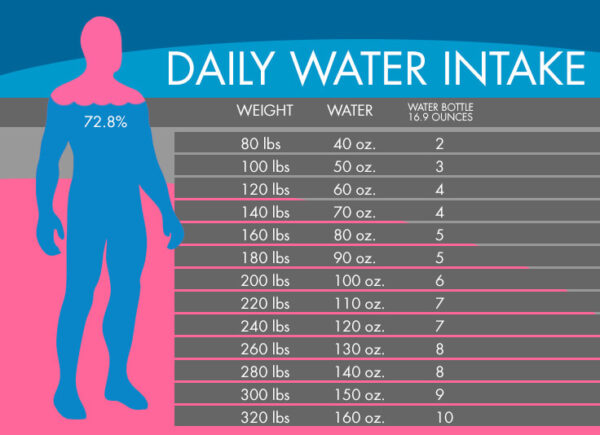
If you want a more tailored number, try this: take your body weight (in pounds) and divide it by two. That’s the number of ounces you should aim for daily. For example, a 150-pound person would target about 75 ounces—a bit more than the classic 64.
But wait—that’s just a baseline. If you just ran a 5K or spent hours sweating in the sun, you’ll need more. Your body signals this through thirst, and it’s actually pretty reliable. Listen to it, not a rigid chart.
Fun Comparisons: What Does That Look Like?
Let’s visualize 64 ounces. It’s about four standard 16-ounce water bottles—the kind you buy at a gas station. Or think of it this way: it’s roughly eight cans of soda (but please don’t hydrate with soda).
Want a cooler perspective? Your brain is 73% water, and your lungs are about 83%. So when you drink, you’re literally fueling your brain’s electricity and your breath’s moistness. How wild is that?
When You Should Actually Drink More
Certain situations bump up your need for ounces. If you’re sick with a fever, sweating from exercise, or chugging alcohol (which is a diuretic), your body loses fluids faster. Also, pregnancy and breastfeeding require extra ounces—doctors often suggest 10 to 12 cups (80-96 ounces) for nursing moms.
 How Many Fluid Ounces in a Tumbler Cup or Water Bottle | KingStar
Another sneaky factor: high altitude. Ever fly and feel like a raisin? That’s because your body speeds up water loss in dry air. Add an extra 8-16 ounces on a plane or in a mountain town.
The Color Test: A Cheat Code for Hydration
Forget counting ounces for a minute. Instead, check your urine color. Pale yellow or clear? You’re likely fine. Dark yellow or amber? Grab a glass of water—your body is waving a little yellow flag.
This is way easier than doing mental math all day. Plus, it’s a reminder that hydration isn’t an exact science—it’s a vibe you tune into.
But Isn’t Too Much Water Dangerous?
Yes, technically you can overdo it—that’s called hyponatremia, where your blood sodium gets too diluted. But that’s rare for most people. To hit that danger zone, you’d need to drink gallons in a short time (like during a drinking contest).
So no, you’re not going to accidentally hurt yourself by sipping a few extra ounces. Relax and sip at your own rhythm.
The Final Sip
Here’s the takeaway: the “ideal” amount of water a day isn’t a one-size-fits-all number. Start with that 64-ounce baseline, adjust based on your activity and thirst, and don’t panic if you miss a glass. Your body is a brilliant hydrator—it knows when you’re dry.
So next time someone asks, “How many ounces are you supposed to drink a day?” just smile and say, “Enough to keep my pee pale and my brain perky.” That’s the cool truth.
