Tell Me About The Invention Of Carbonated Water

Let’s talk about the fizz. You know that tingly, bubbly magic in your soda water? Somebody invented that. And it wasn’t a chef or a mad scientist—well, maybe a little of both....
Let’s talk about the fizz. You know that tingly, bubbly magic in your soda water? Somebody invented that. And it wasn’t a chef or a mad scientist—well, maybe a little of both. The story is weird, wild, and full of accidents.
The Accidental Alchemist
Rewind to the 1760s. An Englishman named Joseph Priestley is hanging out in a brewery. He’s a minister, a philosopher, and a tinkerer who loves gas. He stares at the fermentation vats and wonders: what is that bubbly air?
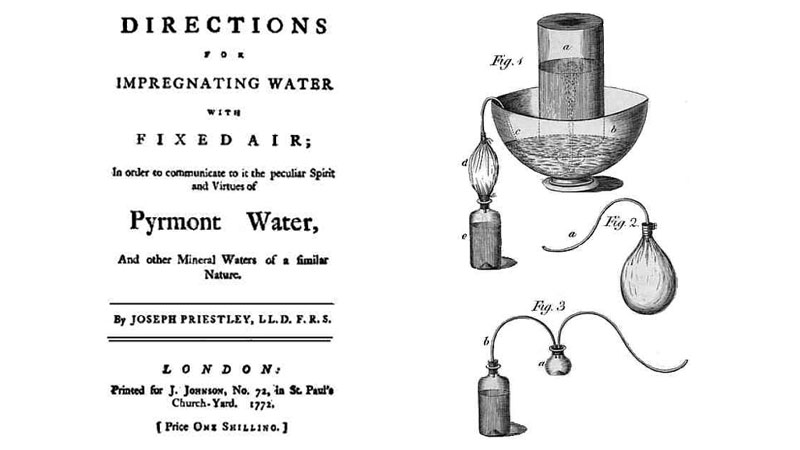
Priestley invents a way to infuse water with carbon dioxide. He hangs a bowl of water above a beer vat. The gas from the fermenting beer dissolves into the water. Boom: the first artificially carbonated water. He calls it “impregnated water.” Charming, right?
Must Read
Here’s the funny part: Priestley didn’t drink it for joy. He thought it might cure scurvy. Spoiler: it didn’t. But he did invent the sparkling sensation that now fills the world.
The First Soda Jerk
Priestley’s invention was a curiosity, not a business. Enter Johann Jacob Schweppe in 1783. This Swiss jeweler tinkered with carbonation too. He created a machine that pumped CO2 into water under high pressure.
Schweppe’s water didn’t just fizz—it stayed fizzy. That was the secret. He started selling it as a tonic. People thought it was healthy. Spoiler again: it wasn’t medicine, but it was delicious.
Today, we still say “Schweppes.” You’ve had his drink at parties. That name is over 240 years old. Not bad for a jeweler who liked bubbles.
Why It’s Called “Soda” Water
Here’s a quirky twist. Early carbonated water used sodium bicarbonate (baking soda) to create bubbles. That’s why we say “soda water.” But real carbonation uses pure CO2. No baking soda in your can of seltzer.
Another fun fact: the first flavored sodas were a mistake. Pharmacists mixed syrups to hide the taste of bad medicine. People liked the sweet bubbles more than the treatment.
By 1830s America, soda fountains were everywhere. They were the original social media hub—people gathered, gossiped, and drank fizzy water. No Wi-Fi needed.
The Great Bubble Race
In the 1800s, everyone wanted to sell fancy water. But carbonation was tricky. Bottles exploded regularly. You’d buy a case and sometimes lose a bottle to a bang. It was dangerous fizzy fun.
Then came pressure gauges and better glass. By 1900, carbonated water was safe. And cheap. And everywhere.
 Who Invented Sparkling Water? A Comprehensive History Guide – Soda Sense
Did you know the first Coca-Cola was a carbonated health tonic? Same for Dr Pepper. They were just fizzy water with syrup, hoping you’d feel better. Instead, you just felt happy.
Fun Facts That Pop
Priestley’s Other Hobby
Joseph Priestley also discovered oxygen. Yes, the same guy who fizzed your water found the air you breathe. He was basically a bubble wizard. Oxygen and carbonation—what a resume.
Bubbles Aren’t Just in Water
Carbonation works on everything. Beer, champagne, kombucha, even some cheeses. Tiny CO2 bubbles are nature’s party trick. They tickle your tongue because of a chemical reaction with carbonic acid.
The Cold Truth
Carbonated water tastes more acidic at room temperature. That’s why we drink it cold. The chill hides the bite. Your fridge is a flavor magician.
Why We Love the Fizz
There’s science behind the joy. Carbonation triggers a mild pain sensation in your mouth. That tingle is your brain saying “whoa, something’s happening.” It’s a tiny thrill with every sip.
Psychologists think the fizz makes water feel more like a treat. It’s a harmless rebellion. You’re drinking water, but with a kick. It’s like wearing formal shoes with no socks.
And let’s be real: it’s just fun. Sticking a straw in a fizzy drink and hearing that crackle? Pure childhood magic that never gets old.
The Last Gulp
So next time you crack open a sparkling water, remember Priestley. He was a guy who liked gas and hung bowls over beer vats. He had no idea he’d create a global obsession.
You’re sipping a history of accidents, explosions, and jeweler genius. It’s water with personality. And it’s yours.
Now go enjoy that fizz. You’ve earned it. And maybe thank a chemist from the 1700s.
