How Many Ounces Of Water Should One Drink A Day

So there I was, last Tuesday, clutching my reusable water bottle like a holy relic. I had just read a fitness blog that said I needed to drink a hundred gallons a day to achie...

So there I was, last Tuesday, clutching my reusable water bottle like a holy relic. I had just read a fitness blog that said I needed to drink a hundred gallons a day to achieve 'optimal hydration.' Or something like that. I spent the next four hours running to the bathroom every ten minutes, feeling less like a glowing goddess and more like a leaky faucet. Sound familiar? (Yeah, I see you nodding.)
Let’s ditch the celebrity-endorsed pseudoscience for a second. The real question—how many ounces of water should one drink a day—is way simpler than the internet wants you to believe. And no, it’s not some magic number that turns you into a superhuman. It’s about what works for your actual body, not the one in the Instagram ad.
The Big, Old Rule (and why it’s kinda dumb)
You’ve heard it a million times: eight 8-ounce glasses a day. That’s 64 ounces. It’s catchy, easy to remember, and totally arbitrary. Seriously—this “rule” comes from a 1945 recommendation that said we need about 2.5 liters of water daily. But guess what? That same report noted most of that comes from the food we eat. Yes, food counts. Watermelon? Counts. Soup? Counts. Even your morning coffee counts, despite what the old myths scream at you.
Must Read
So why do influencers act like you’ll wilt if you miss the 64-ounce mark? Because panic sells, my friend. But your body is smarter than a hashtag. It has a built-in gauge called thirst. You’re not a cactus; you don’t need a rigid schedule.
Let’s get real: What science actually says
The National Academies of Sciences, Engineering, and Medicine gives us a general baseline. For women, it’s about 91 ounces total (from drinks and food). For men, about 125 ounces. Whoa—that’s a lot, right? But chill. That’s total fluid, not just plain water. Subtract the 20-30% you get from food, and you’re looking at roughly 64-80 ounces of actual beverages a day. See? We’re back to that 64-ounce zone, but now it makes sense.
But here’s the kicker: those numbers are averages. If you’re a tiny person who sits at a desk all day, you don’t need the same amount as a marathon runner in Arizona. Listen to your pee. (I know, gross, but it works.) Pale yellow? You’re golden. Dark yellow? Drink up. Clear as tap water? You’re overdoing it, which can actually wash out electrolytes. Yes, you can over-hydrate. It’s not common, but it’s a thing.
Signs you’re actually thirsty (and not just bored)
Half the time, when I think I’m “dehydrated,” I’m just hungry or tired. Your brain is a drama queen. Thirst cues include a dry mouth, headache, fatigue, or—my favorite—irritability. If you start snapping at your partner over a misplaced sock, chug some water. No, seriously. But don’t force it. That ‘guzzle till you slosh’ method messes with your kidneys and makes you feel bloated. Sip steadily throughout the day instead of drown-proofing at noon.
Another weird trick? Eat more fruits and veggies. Cucumbers, celery, oranges—they’re basically water with a crunch. Hydration isn’t just about the glass. It’s about the whole package. Throw in some electrolytes if you’re sweating buckets, but skip the sugar-loaded “sports drinks” unless you’re actually running a marathon in July.
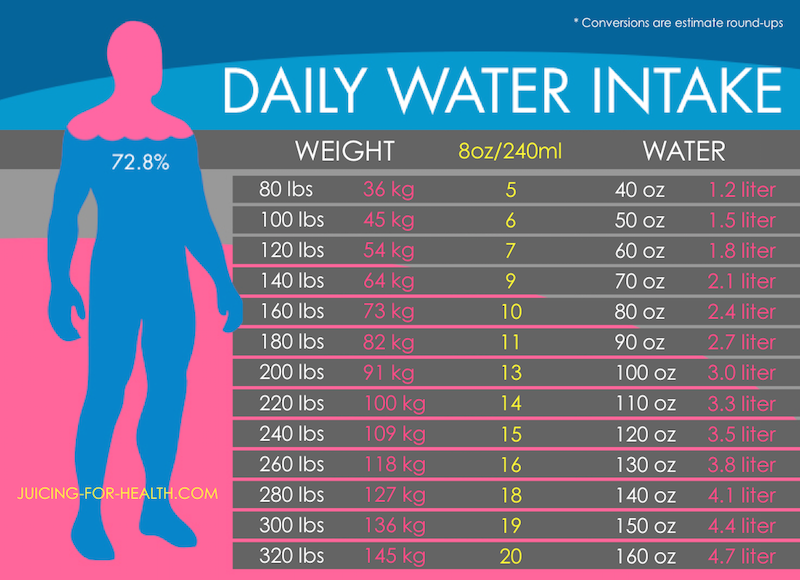 How Much Water Should You Drink Daily To Keep Hydrated?
The irony of the ‘Drink More Water’ cult
Here’s the ironic part: obsessing over ounces can backfire. You might drink too much, too fast, and feel awful. Or you’ll ignore your body’s actual signals because you’re too busy chasing a number. I’ve done it. I walked around with a gallon jug, proud of my “discipline,” while my stomach sloshed during meetings. Not cute.
Truth is, most healthy people don’t need to measure. Your body is a brilliant machine. It tells you when it’s dry. The only exception? Intense exercise, heat, or illness. If you’re sweating buckets or have a fever, then yeah, bump it up. Otherwise, trust the thirst.
Okay, but give me a ballpark number
Fine. If you’re the type who needs a target (I see you, overachievers), aim for half your body weight in ounces. Weigh 150 pounds? Go for 75 ounces a day. That’s roughly nine cups. It’s a decent guideline, and it adjusts for your size. But again—adjust for weather, activity, and whether you ate a salty pizza. And for the love of all that is holy, don’t chug it all at once. Spread it out.
My personal hack? I keep a 24-ounce bottle on my desk and refill it three times. That’s 72 ounces, and I don’t stress if I only hit two refills. Flexibility is freedom. Your hydration isn’t a report card. You won’t fail if you have one glass less on a lazy Sunday.
Bottom line (stop overthinking)
You don’t need an app, a smart bottle, or a hydration coach. You need common sense and a working bladder. Drink when you’re thirsty. Drink a little more if you’re active or it’s hot. Eat your water-filled foods. And for crying out loud, ignore anyone who says “coffee dehydrates you.” It doesn’t—science says your morning brew counts toward your fluid intake. Mic drop.
So, how many ounces? Enough to keep your pee pale yellow and your mood non-murderous. That’s the only rule you’ll ever need. Now go drink some water—without the guilt trip. You’re probably fine.
