Will Reverse Osmosis Remove Nitrates From Water

So, you’re staring at a water test report, and the word nitrates is glaring back at you. Maybe you’re thinking, “Is my tap water secretly a salad dressing?” Kidding—but not re...
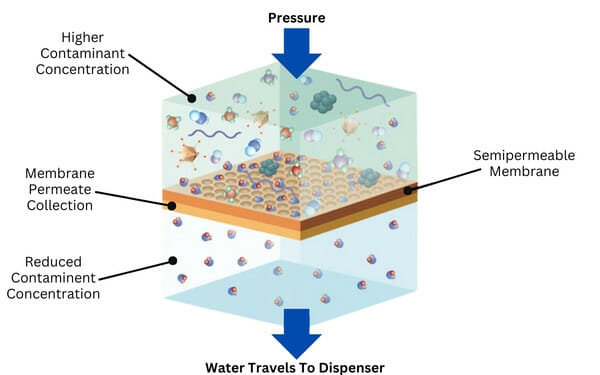
So, you’re staring at a water test report, and the word nitrates is glaring back at you. Maybe you’re thinking, “Is my tap water secretly a salad dressing?” Kidding—but not really. Nitrates are a big deal, especially if you have little ones or a pregnant belly in the house. They sneak in from fertilizer runoff or old septic systems, and too much can be genuinely bad news.
Naturally, your brain jumps to the hero of water filtration: reverse osmosis. That shiny, high-tech R.O. system under your sink—does it actually stand a chance against these sneaky nitrogen compounds? Grab your mug, and let’s hash this out like two pals at a coffee shop.
The short answer? Yes, but with a twist.
Reverse osmosis is basically the ninja of water filters. It uses pressure to shove water through a super-tight membrane that hates impurities. And nitrates? They’re big, chunky molecules that cannot squeeze through that membrane. So, yes, an R.O. system kicks nitrates to the curb—usually removing about 80% to 95% of them.
Must Read
But hold your horses. That number isn’t perfect. It depends on the water pressure, the membrane’s age, and even the water’s temperature. You might get 99% one day and 80% the next because membranes are divas like that.
Important catch: Not all R.O. systems are created equal. A cheap, poorly maintained one might let some nitrates slip by. Think of it as a bouncer who occasionally dozes off at the club.
But wait—why not just use a standard carbon filter?
Oh, you sweet summer child. Carbon filters are great for chlorine and bad tastes, but they laugh at nitrates. Nitrates laugh right back. Those filters don’t have the pore size to stop them. So if you’ve been relying on a Brita pitcher to fight nitrates, I have bad news—it’s like using a sieve to catch confetti.
Reverse osmosis is the only countertop or under-sink method that reliably grabs nitrates. Well, distillation works too, but that’s the slow, energy-hogging cousin nobody invites to parties.
What about the “nitrate plateau” problem?
Here’s the weird part: R.O. systems can actually concentrate nitrates if you’re not careful. The membrane rejects them, but they pile up on the “dirty” side of the membrane. Over time, that concentrated brine can force a tiny bit of nitrate back through. It’s called concentration polarization—sounds fancy, right? Basically, the system gets overwhelmed.
To avoid this, you need good pre-filtration and a system with automatic flush technology. Otherwise, you’re just making fancy, high-nitrate juice for your plants (don’t actually do that).
Also, if your water is extremely high in nitrates—like over 50 ppm—you might need a specialized nitrate-reducing resin before the R.O. unit. Two filters tackling the problem together is teamwork.
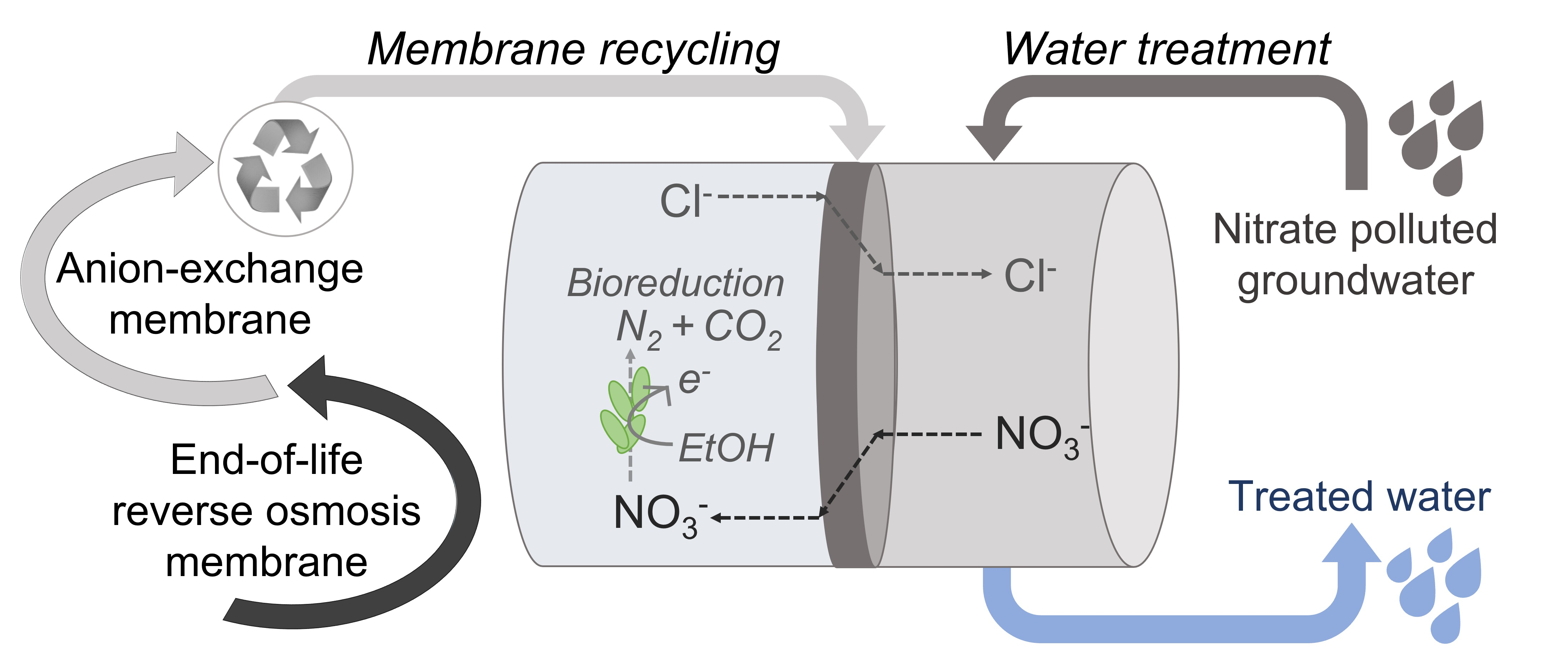 Nitrate Removal by Donnan Dialysis and Anion-Exchange Membrane
Real talk: How much nitrate is too much?
The EPA says 10 mg/L (or ppm) is the safe limit for drinking water. Above that, you’re flirting with something called “blue baby syndrome.” That’s a scary-sounding condition for infants, where nitrates mess with oxygen in the blood. So, yeah, take it seriously.
If your tap water is at, say, 15 ppm, an R.O. system can drop it to 1-3 ppm. That’s a massive win. But if your system is old or not maintained, you might only get it to 8 ppm—still under the limit, but closer for comfort. Replace those filters on time, people!
Sunday morning coffee chat: Should you buy one?
If you’re on private well water and your test shows nitrates, yes. Absolutely yes. Well water is unregulated, and nitrates can fluctuate with the seasons. An R.O. system is your affordable insurance policy. For city water, your municipality already treats for nitrates, but if you’re paranoid (no judgment), an R.O. is overkill but harmless.
But here’s the kicker: R.O. systems waste water. For every gallon of clean water, you might dump 3-4 gallons down the drain. That’s a lot of water just to zap a little nitrate. If you live in a drought-prone area, you might want to consider a nitrate-specific anion exchange filter instead. Those use a resin that swaps nitrates for chlorides—like a chemical trade.
Anion exchange is cheaper and wastes less water, but it can make your water taste slightly salty. Pick your poison, literally.
Final verdict from your chatty friend
Reverse osmosis does remove nitrates, and it does a stellar job. But it’s not magic—it needs care, maintenance, and realistic expectations. Don’t buy the cheapest system off the internet; read reviews, get one with a good membrane, and replace the pre-filters on schedule. Or you’ll just be paying for fancy-looking tap water that still has bit of fertilizer in it.
And hey, if you’re ever in doubt, test your water after the R.O. system. It’s cheap, easy, and gives you the satisfaction of knowing you’re drinking water that’s cleaner than a surgeon’s handshake. Cheers to that.
