Reverse Osmosis Alkaline Water Filtration System

Okay, let’s talk about water. But not just any water. I’m talking about the fancy stuff. You know, the kind that comes out of your tap after it’s been through a Reverse Osmosi...
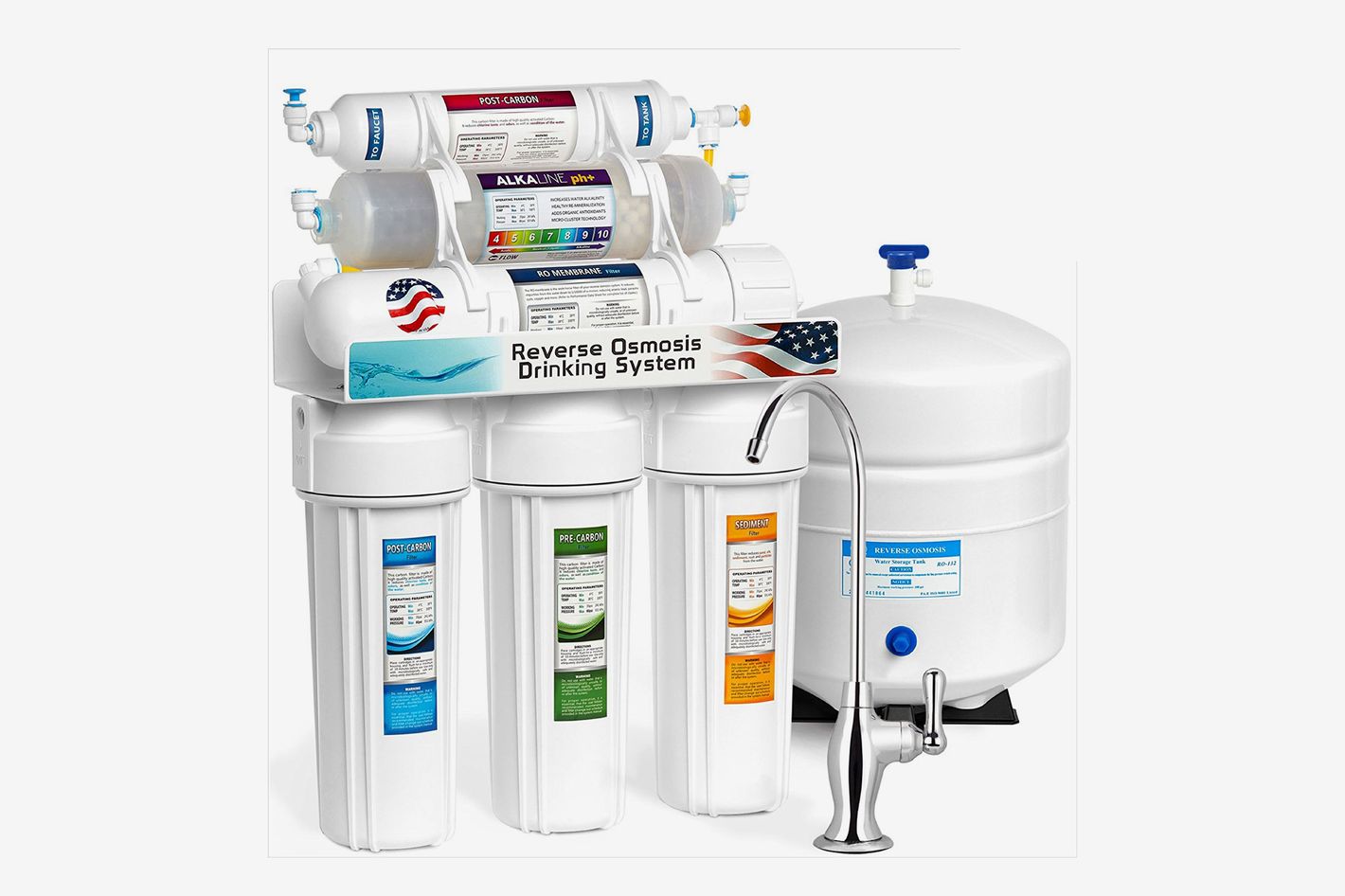
Okay, let’s talk about water. But not just any water. I’m talking about the fancy stuff. You know, the kind that comes out of your tap after it’s been through a Reverse Osmosis Alkaline Water Filtration System. It sounds like something NASA would use, right? I promise, it’s way simpler than it sounds—and a lot more fun.
First off, let’s break down the jargon. Reverse osmosis (RO) is like a bouncer at a very exclusive club. It says, “Sorry, lead, chlorine, and pesticides? You’re not on the guest list.” Only pure H2O molecules get through. It’s basically water’s version of a VIP treatment, and your taste buds will thank you.
The Reverse Part? It’s Not That Complicated
Imagine you have a sieve. Now imagine you push water through that sieve with so much pressure that even the tiniest impurities get stuck. That’s RO in a nutshell. It uses high pressure to force water through a super-fine membrane. The results? Water so clean it might ask if you’ve been working out.
Must Read
But here’s the catch: RO water is a little too pure. It’s like that friend who’s perfect on paper but has zero personality. It can be slightly acidic and flat-tasting. That’s where the alkaline part struts in to save the day.
Enter the Alkaline Hero
After the RO membrane does its heavy lifting, the water passes through an alkaline filter. This stage adds back minerals like calcium, magnesium, and potassium. Think of it as giving your water a spa day. It raises the pH level, making the water more alkaline (hence the name).
The result? Water that tastes smooth, almost silky. Some people say it’s like drinking from a mountain spring, but without the risk of a bear photobombing your sip. Plus, alkaline water lovers claim it helps with hydration and even balances your body’s pH. (Spoiler alert: your body is great at balancing itself, but hey, every little bit helps, right?)
Why Bother? (Besides Looking Fancy at Parties)
Good question! For starters, taste. Tap water can sometimes taste like a swimming pool forgot to shower. RO-alkaline water? It’s crisp, clean, and makes your morning coffee taste like a barista made it. You’ll never look at a water filter pitcher the same way again.
Then there’s health. An RO system removes up to 99% of contaminants, including lead, arsenic, and even microplastics. (Yes, those tiny plastic bits are in your tap water. Gross, I know.) And because you’re adding back minerals, you’re not just drinking water—you’re drinking a tiny, delicious mineral bath.
The Not-So-Secret Downside (It’s Tiny, I Swear)
Okay, let’s be real for a second. These systems aren’t cheap. They cost a few hundred bucks, and installation might require a friendly plumber or a YouTube tutorial and some patience. Also, they waste a bit of water during the filtration process. But think of it this way: you’re basically investing in a personal water sommelier. Totally worth it.
Another quirk: the water comes out slowly. You won’t fill a gallon jug in ten seconds, so maybe don’t invite the entire neighborhood over for a water tasting party. Unless they’re patient. Then go for it.
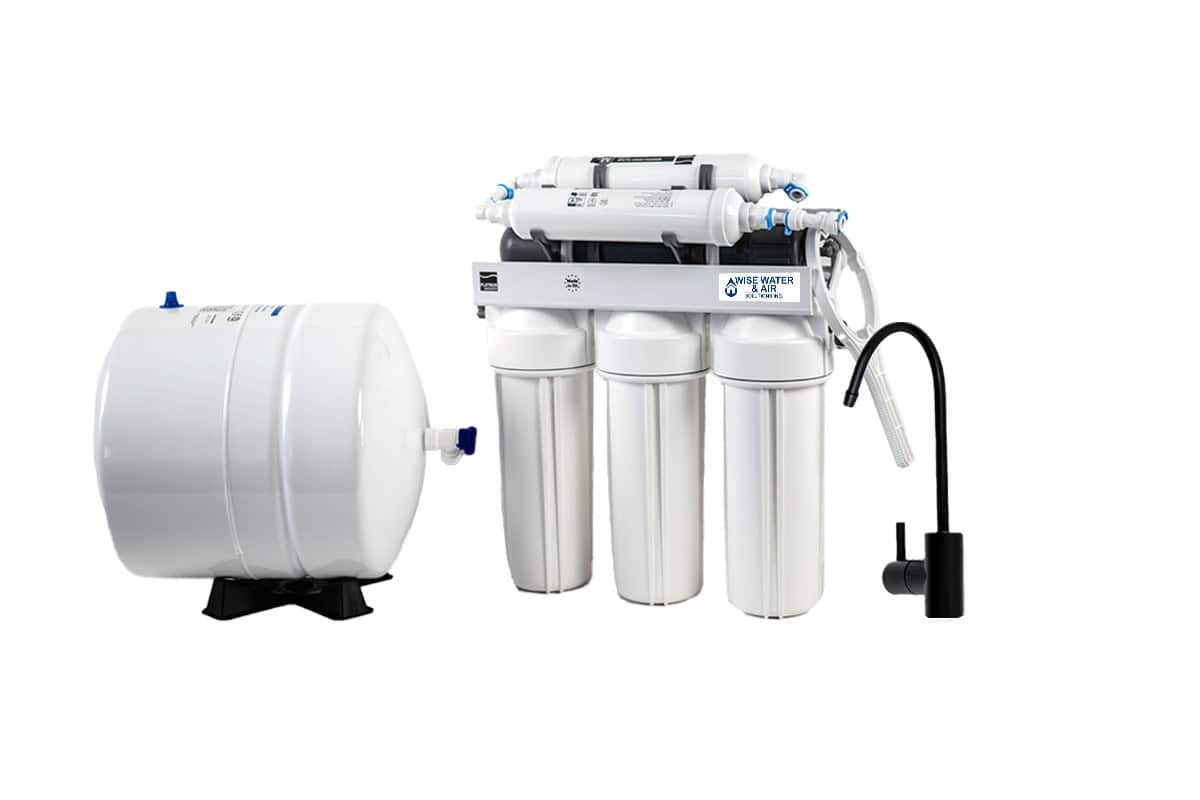 6 Stage Alkaline Reverse Osmosis System - Wise Water Solutions
Setting It Up (No PhD Required)
Most under-sink RO-alkaline systems are designed for DIY mortals. You’ll get a few canisters, some tubes, and a dedicated faucet. The instructions are usually clear, but here’s a pro tip: label the tubes with a Sharpie. Future you will thank present you when something leaks at 2 a.m. and you realize you forgot which tube is which.
Maintenance? Easy peasy. Replace the filters every six to twelve months. The alkaline filter might need swapping sooner if your water is extra hard. But seriously, it’s less effort than assembling IKEA furniture—and with fewer leftover screws.
Who Needs This System? (Spoiler: Maybe You)
If you’re tired of buying plastic water bottles (and feeling guilty about the planet), this is your solution. If you love the taste of bottled spring water but hate the cost, say hello to your new best friend. If you’re a coffee snob or a tea connoisseur, the difference will blow your mind. I’m not kidding—the first sip of coffee made with RO-alkaline water might make you tear up. (I didn’t, but my friend did. No judgment.)
And if you just want to impress your friends with a cool gadget? The dedicated faucet looks super sleek. Bonus points if you tell them, “I only drink pH-balanced, reverse-osmosis alkaline water.” Watch their eyes widen. You’ll feel like a wizard.
A Little Cheat Sheet for You
RO filtration = removes bad stuff. Alkaline filter = adds good stuff. Together, they’re like the water version of peanut butter and jelly. Or Batman and Robin. Or, uh, chips and guacamole. You get the idea.
Final Verdict (No Pressure)
Is a reverse osmosis alkaline water filtration system worth it? Heck yes. It’s a kitchen upgrade that pays for itself in better taste, fewer plastic bottles, and the sheer joy of knowing your water is cleaner than a hospital operating room. Plus, you get to feel fancy without actually being fancy.
So go ahead, treat yourself. Your tap water is about to get a major glow-up. And who knows? Maybe you’ll start a hydration revolution in your neighborhood. Just don’t blame me when your friends start asking, “Can I get a glass of your fancy water?” You’re welcome.
Now go sip something amazing. You’ve earned it. 🚰✨
