How Many Ounces Of Water Should We Drink Each Day

So, you’re probably here because you’ve heard that magical number—eight glasses a day, right? But let’s be real, have you ever stopped to wonder where that rule even came from...

So, you’re probably here because you’ve heard that magical number—eight glasses a day, right? But let’s be real, have you ever stopped to wonder where that rule even came from? It’s like a health rumor that got way too popular without any real proof.
The truth is, your body isn’t a one-size-fits-all machine. That famous “eight 8-ounce glasses” (64 ounces total) is a loose guideline, not a law written in stone. Your actual need changes based on your size, activity level, and even the weather outside.
Why This Whole Ounce Thing Even Matters
Think of water as your body’s personal lubricant. It helps your joints glide, your brain focus, and your skin stay plump. When you’re low, you might feel foggy or tired—ever had a “brain fog” afternoon that a glass of water fixed?
Must Read
It’s also your body’s cooling system. If you’re sweating buckets on a run, you’re losing way more than someone binge-watching shows on the couch. So your target has to flex with your life.
The Science Behind the Gulp
The National Academies of Sciences, Engineering, and Medicine has a more personal suggestion: about 3.7 liters (125 ounces) for men and 2.7 liters (91 ounces) for women. Whoa, that’s way more than eight glasses, right?
But here’s the cool part: that total includes water from all drinks and even food. Yes, your morning coffee, juicy watermelon, and that bowl of soup all count. You’re probably already halfway there without realizing it!
Let’s Get Real: How Much Is That?
If 125 ounces sounds massive, picture this: a standard water bottle is about 16.9 ounces. So for a guy, that’s roughly 7.5 bottles. For a woman, about 5.5 bottles. Still sounds doable, right?
Compare it to a typical soda can (12 ounces). Drinking your water goal is like chugging ten cans of soda—but without the sugar crash. Or think of a gallon of milk (128 ounces)—you’re almost there!
But Wait—Can You Overdo It?
Yes, actually, it’s called hyponatremia, and it happens when you drink so much that your sodium levels plummet. It’s rare but real, usually seen in marathon runners who chug without sweating enough. So no, you don’t need to drown yourself.
The key signal is simple: check your pee. If it’s pale yellow like lemonade, you’re golden. Dark like apple juice? Time to sip up. Clear like tap? Ease off a bit—you’re overdoing it.
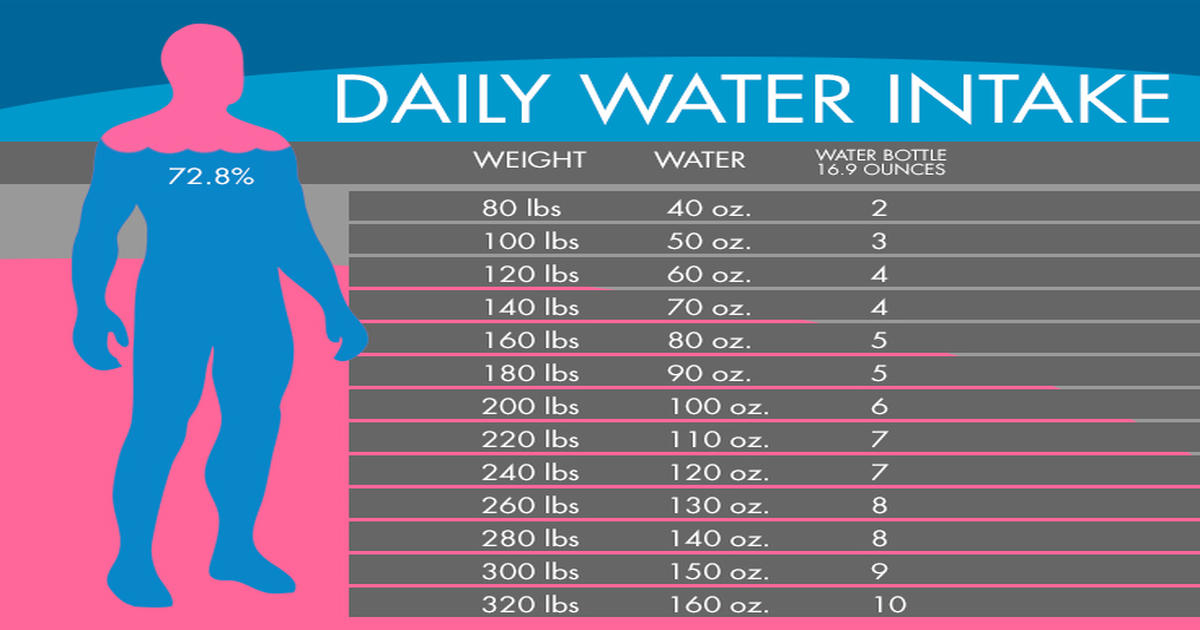 How Much Water Do You Need To Drink, According To Your Weight?
What About Coffee, Tea, and Other Tricks?
Great question! Coffee and tea do count, despite the old myth they dehydrate you. The caffeine is mild, so a cup of Joe hydrates as much as water does. Just don’t go overboard on sugary sodas or booze—they work against your hydration.
Another fun hack: eat your water. Cucumbers are 96% water, strawberries are 91%, and yogurt is 85%. A big salad with tomatoes and lettuce is like drinking a glass of water with your fork. Sneaky, right?
Your Daily Cheat Sheet
For a general rule, start with half your body weight in ounces. If you weigh 150 pounds, aim for 75 ounces. Then add 12-20 ounces if you exercise for an hour. It’s not rocket science—it’s just listening to your body.
If you’re feeling fancy, set a timer on your phone. Take one sip every 15 minutes—that’s only 4 ounces per hour, eight hours later you’ve hit 32 ounces without even trying. Easy peasy.
So, How Many Ounces Is It Really?
Here’s the refreshing truth: there’s no magic number for everyone. The “eight glasses” is a good starting point, but your body might need 60 ounces or 120 ounces. The cool part is you get to experiment.
Try this: drink when you’re thirsty, and stop when you’re not. Use the pee test. And remember, if you’re exercising, sweating in the sun, or eating salty snacks, bump it up. Your body is basically a smart phone—it tells you when the battery is low.
So go ahead, grab a glass, and enjoy. Hydration isn’t a chore—it’s a chill habit that keeps you feeling sharp, smooth, and ready for whatever life throws your way. Cheers to you!
