Is Fabric Conditioner The Same As Fabric Softener

You’re standing in the laundry aisle, staring at a wall of bottles promising “spring fresh” softness and “ultra-fresh” scent. The labels shout “fabric softener” on one side an...

You’re standing in the laundry aisle, staring at a wall of bottles promising “spring fresh” softness and “ultra-fresh” scent. The labels shout “fabric softener” on one side and “fabric conditioner” on the other. It’s a dizzying marketing dance, and you’re left wondering: is there actually a difference?
The short answer is yes, but only in the way that a sedan and a coupe are different cars. Softener and conditioner share the same basic soul—they coat your clothes with a thin layer of fatty lubricants to make fibers feel softer. The real distinction lies in intensity and intended use.
Think of fabric softener as the all-in-one weekend warrior. It reduces static cling, softens towels, and leaves a strong perfume trail. Fabric conditioner, on the other hand, is the specialized spa treatment. It often contains extra ingredients like silicones or oils designed to pamper delicate fabrics.
Must Read
This isn’t just marketing nonsense—it’s rooted in a bit of cultural history. In the 1970s, when crunchy, stiff jeans were everywhere, softener was a revolution. Brands like Downy sold the dream of cloud-like terry cloth. Today, conditioner is the hot new kid, borrowing language from hair care to sound more luxurious.
What’s Actually in the Bottle?
Both products use quaternary ammonium compounds (or “quats”) as their primary active ingredient. These positively charged molecules cling to negatively charged fabric fibers, neutralizing static and adding a slippery finish. The difference? Conditioners often use a higher concentration of quats or blended oils.
Some premium conditioners skip quats entirely, using natural emollients like shea butter or coconut oil. If you see a bottle labeled “eco-conditioner,” it’s likely banking on these gentler alternatives. Softeners, meanwhile, tend to rely on cheaper synthetic thickeners and heavier perfumes.
Fun fact: In the UK and Australia, “fabric conditioner” is the standard term. Over in the US, “fabric softener” dominates shelf space. It’s like the whole “biscuit vs. cookie” debate—same basic idea, different cultural packaging.
The Towel Test: Where the Rubber Meets the Road
Here’s a practical win: Never use either on your bath towels if you want them to stay absorbent. The waxy coating that makes a T-shirt feel like velvet will also repel water. Microfiber cloths and sportswear? Same story—they lose their wicking superpowers.
For delicate silk or cashmere, a dedicated fabric conditioner is your best friend. It’s gentler and less likely to yellow whites over time. For everyday cotton tees and jeans, a standard softener works just fine—just use half the recommended dose to avoid buildup.
Pro tip: Add your softener or conditioner to the wash during the rinse cycle, not the beginning. If you pour it on top of detergent, they cancel each other out, leaving your clothes stiff and less clean. Your machine’s dispenser drawer is your friend here.
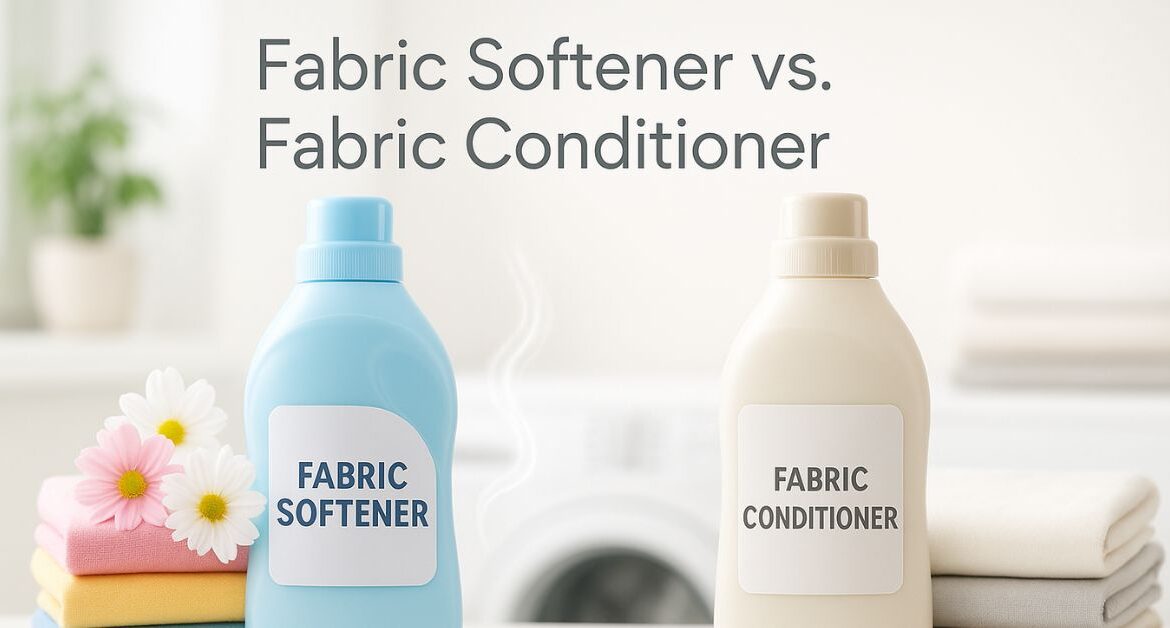 Fabric Softener vs. Fabric Conditioner: the Real Difference?
The Scent Factor: A Nose Knows
Let’s talk about the elephant in the laundry room: fragrance. Softeners are notorious for overpowering, long-lasting scents that can trigger migraines or allergies. Conditioners, particularly “sensitive skin” variants, often use lower concentrations of essential oils or are fragrance-free.
If you love a fresh-smelling laundry room but hate synthetic perfumes, try a conditioner with natural plant-based fragrances like lavender or eucalyptus. Or go rogue: ditch both and use a cup of white vinegar in the rinse cycle. Your clothes will be soft, static-free, and smell like… well, nothing.
Pop culture reference: Do you remember that iconic “snuggle” campaign with the teddy bear? That was pure softener marketing gold. Conditioner brands go for sleek, minimalist packaging—like a fancy face moisturizer. It’s the difference between a warm hug and a aromatherapy session.
Practical Tips to Save Your Clothes (and Your Wallet)
- Don’t overpour. One tablespoon per load is usually enough. More just clogs your machine and dulls colors.
- Skip the softener on performance fabrics. Yoga pants, rain jackets, and swimsuits hate it. They need to breathe and wick sweat.
- Clean your machine monthly. Softener buildup can create a slimy film inside your washer. Run an empty hot cycle with a cup of vinegar to reset.
Fun fact: The Japanese laundry ritual of futon hitting avoids softeners entirely. They prefer crisp, sun-dried cotton that holds its shape. Meanwhile, in Brazil, people often use “amaciante” (softener) on everything—even wool socks. It’s all about climate and cultural comfort.
The Verdict: A Subtle Split
In the end, fabric softener and fabric conditioner are not the same, but the difference is subtle enough that your regular laundry routine won’t implode. Use softener for general fluffiness and static control. Use conditioner when you’re treating your favorite cashmere scarf or a delicate dress.
Think of it like this: softener is your Monday morning coffee—practical and reliable. Conditioner is your Saturday latte with oat milk and a dash of cinnamon—a little more luxurious, a touch more intentional.
Here’s the real connection to daily life: Laundry is rarely a celebration. It’s a chore, a cycle of necessity. But the small ritual of choosing how you treat your clothes—whether with a standard softener or a sophisticated conditioner—is a tiny act of self-care. It’s a moment where you can slow down, read a label, and decide what your skin and your senses actually need.
So next time you’re reaching for a bottle, give it a second glance. Your clothes might not care about the marketing jargon, but your morning T-shirt that feels like a cloud? That’s a little daily win worth choosing. Soft or smooth, the choice is yours—and either way, you’re doing just fine.
